

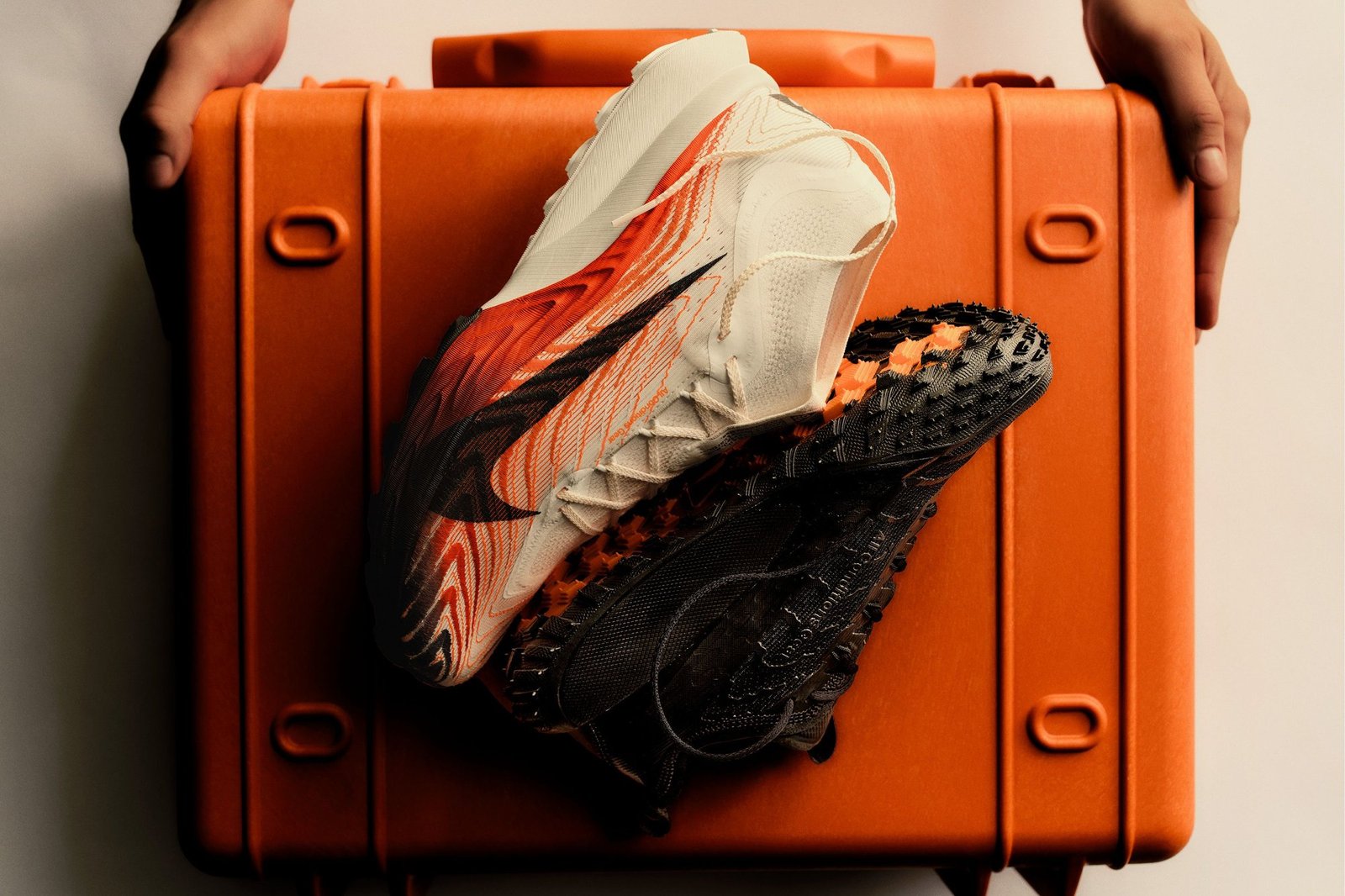
Nike ACG just pulled the sheet off two new shoes, and the idea behind both is pretty simple. Get out of the way of the trail.
Kigerfly is ACG’s lightest trail-racing shoe, built for technical terrain and the kind of effort where you want to move fast and not think about what’s on your feet. Kiger Hike takes that same nimble, connected feel and turns it into a lightweight hiking shoe for backcountry trails and rugged days. They join Picklejus, ACG’s big-mountain running shoe, as upcoming releases Nike says are designed for the world’s wildest terrain.
But like a lot of Nike shoes, this is a sneak peek, not a drop.
Nike showed them as part of its World of Athletes event. Kigerfly is due in the spring, with Kiger Hike following in the summer. Then of course, Picklejus lands globally in the fall.
Kigerfly, Built to Fly
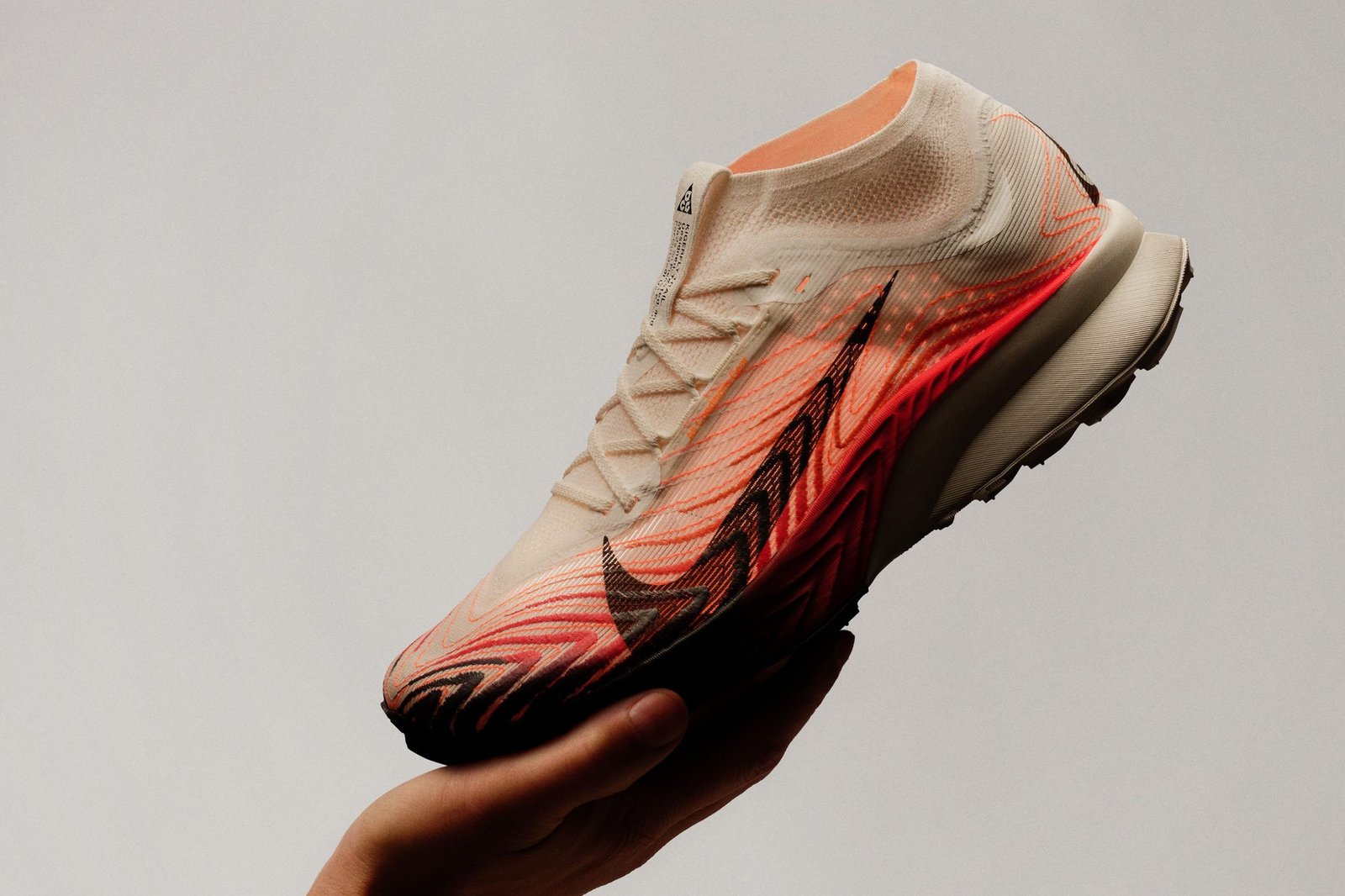
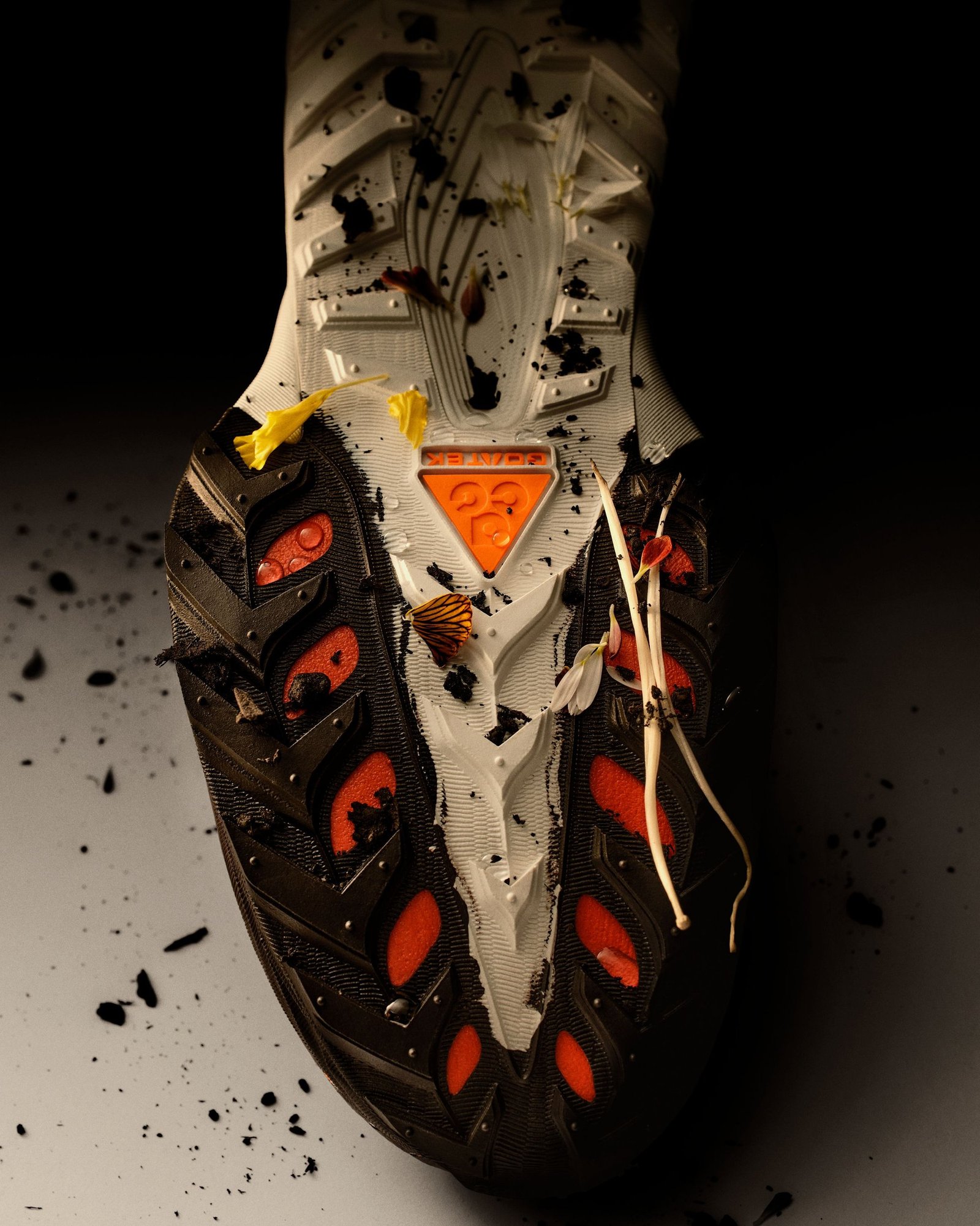
ACG calls Kigerfly its lightest trail-racing shoe ever. It’s built around a durable ZoomX midsole, a streamlined one-piece upper and a speed-tuned version of GOATEK, ACG’s proprietary traction platform, with a 4-millimeter chevron-shaped lug pattern. Nike says that pattern is there to help you accelerate, throw on the brakes and move confidently through technical terrain.
The intended use is technical trails and sub-ultra distances, though Nike says its All Conditions Racing Department athletes are already pushing the shoe further than that. The one number Nike gave on weight is a comparison, not a gram count: Nike says Kigerfly is up to 21 percent lighter than the Nike Kiger 10 in a men’s size 10.
The shoe has already been in the real world for a while. Nike says All Conditions Racing Department athletes helped shape and validate the final design over more than 22,000 miles of wear testing, and took more than 10 podium finishes in it.
Jennifer Lichter, a Racing Department athlete, wore Kigerfly while setting a course record at Western States, according to Nike.
“The first time I put on Kigerfly, I knew. It felt light, responsive and really natural underfoot,” Lichter says. “On technical terrain, I don’t want to think about my shoes. I want to trust my feet, react to the trail and just run. Kigerfly lets me do that.”
Andrew Bumbalough, Expert Product Line Manager for ACG Footwear, says the feedback from those athletes has been consistent.
“We’ve seen our athletes podium across races, conditions and distances around the world, and the feedback has been remarkably consistent,” Bumbalough says. “Kigerfly is incredibly lightweight, nimble, connected to the trail and simply fun to run in. That feeling of confidence and connection isn’t just for elites, and I can’t wait for more trail runners to experience it.”
Kiger Hike, When the Work is Longer
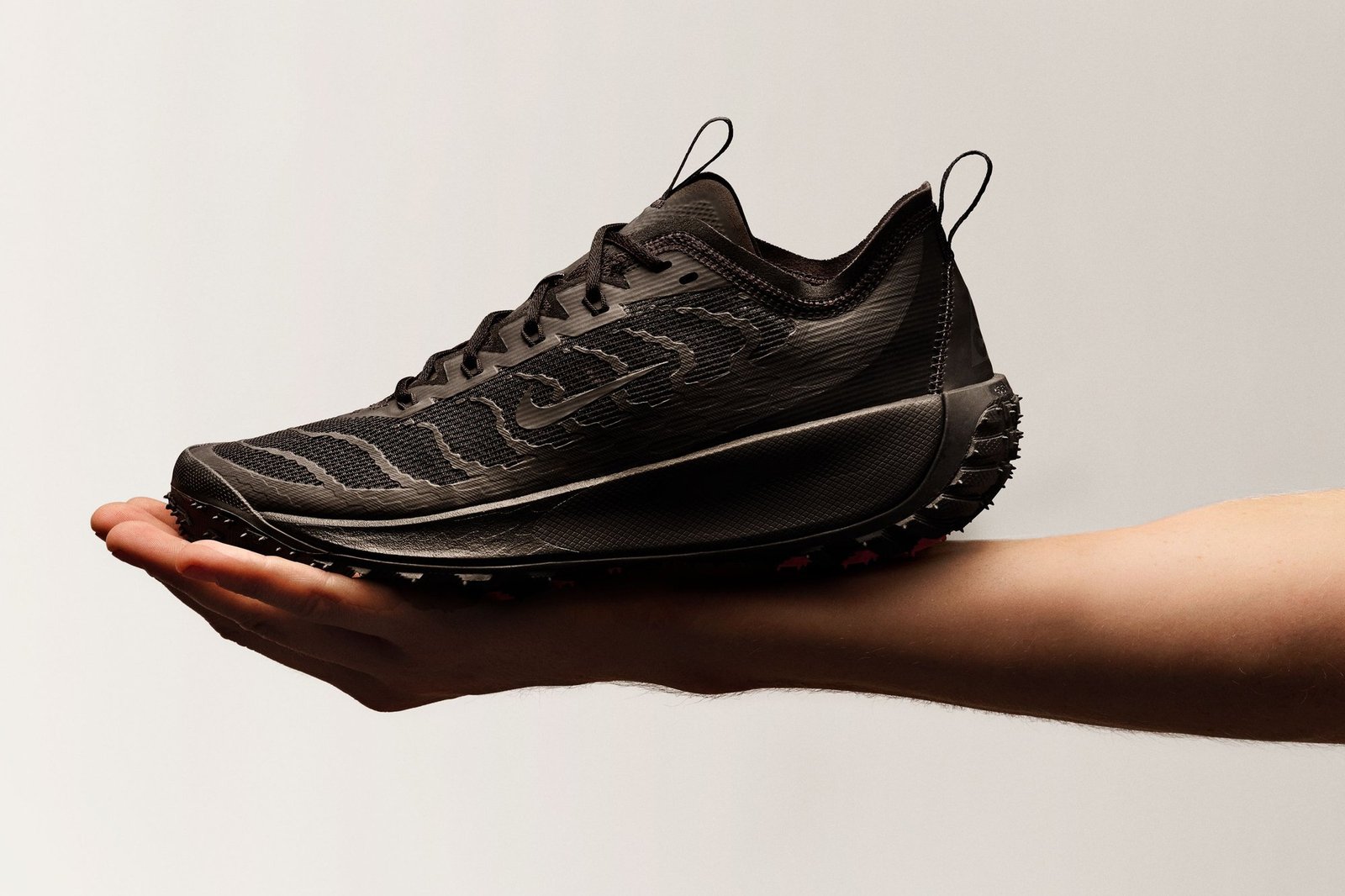
Kiger Hike is a technical hiking shoe meant to keep you closer to the terrain. Nike describes it as channeling the nimble feel of Kigerfly into a lightweight silhouette, and as ACG’s second hiking shoe since the brand’s reintroduction. The pitch is lightweight comfort, traction and confidence for changing conditions, whether you’re chasing a view, taking the trail less traveled or fastpacking into camp.
The setup is straightforward. It has a low profile, a 4-millimeter heel-to-toe offset and a wider forefoot, which Nike says creates a nimble but stable platform. A Cushlon 3.0 midsole handles the cushioning. A full-coverage GOATEK outsole is there for traction, protection and durability. The upper is mesh, with internal cabling and an ACG textured print that Nike says balances breathability with a more locked-in feel.
“One of my favorite things about hiking is that where you’re going is only part of the experience,” Bumbalough says. “The terrain changes, the trail surprises you, and sometimes the day takes you somewhere you didn’t expect. We wanted Kiger Hike to feel natural in those moments, keeping you engaged with what’s underfoot while giving you the confidence to keep exploring. It’s a shoe that makes people want to stay out there a little longer.”
And Then There’s Picklejus
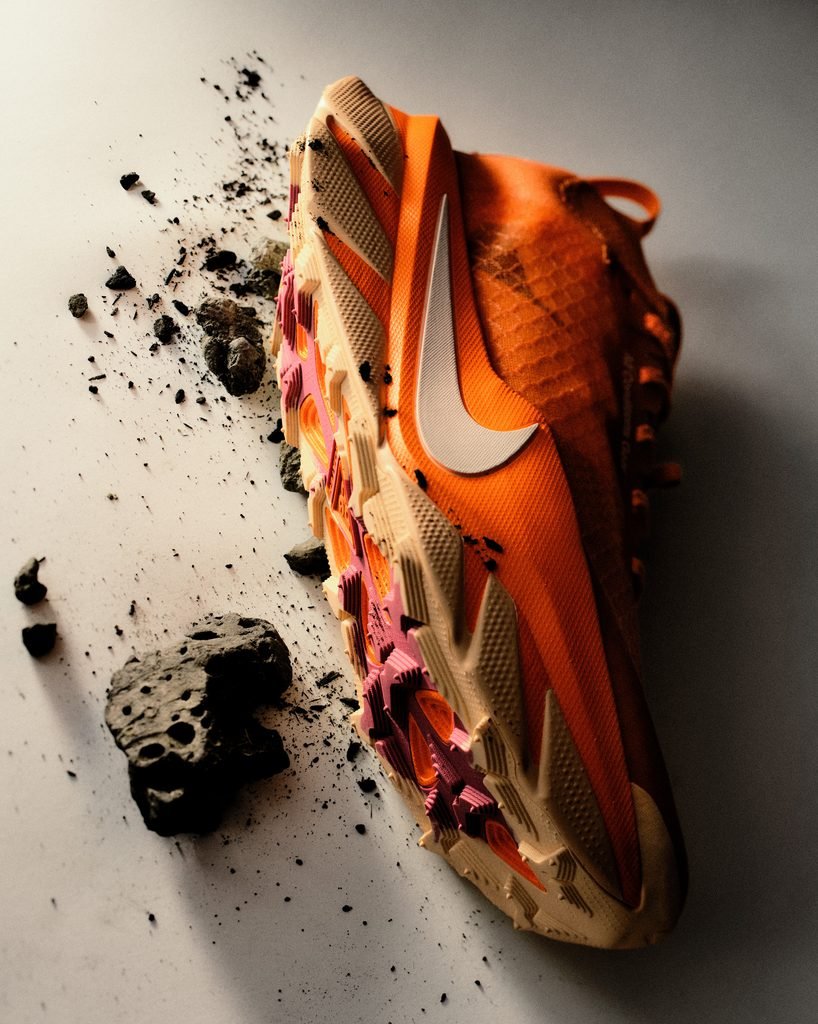
We’ve covered Picklejus previously but it is the third shoe in this lineup and is ACG’s pinnacle big-mountain running shoe that no everyday runner has laced up yet.
Nike says it’s purpose-built for long distances and rugged, big-mountain terrain, and that it takes its name from the near-mythical substance rooted in endurance-running culture. If you’ve ever reached for pickle juice mid-race, you already get the joke.
Nike describes it as a complete mountain-running system: ACG’s first co-molded, dual-density supercritical foam platform for trail running, a GOATEK outsole and a trail-tuned Flyknit upper, working together for uphill efficiency, downhill protection and resilience across mixed terrain. It was developed through athlete insight, biomechanical research, Nike Sport Research Lab testing and real-world mountain validation.
Racing Department athlete Yao Miao podiumed in Picklejus this past summer in Chamonix, according to Nike.
“When I’m deep in the mountains, I want to know I can trust what’s on my feet,” Miao says. “Picklejus gives me the confidence to keep pushing through technical terrain, especially when the miles start to add up. When your body is tired and you’re still trying to move fast, that confidence makes a huge difference.”
Price and Availability
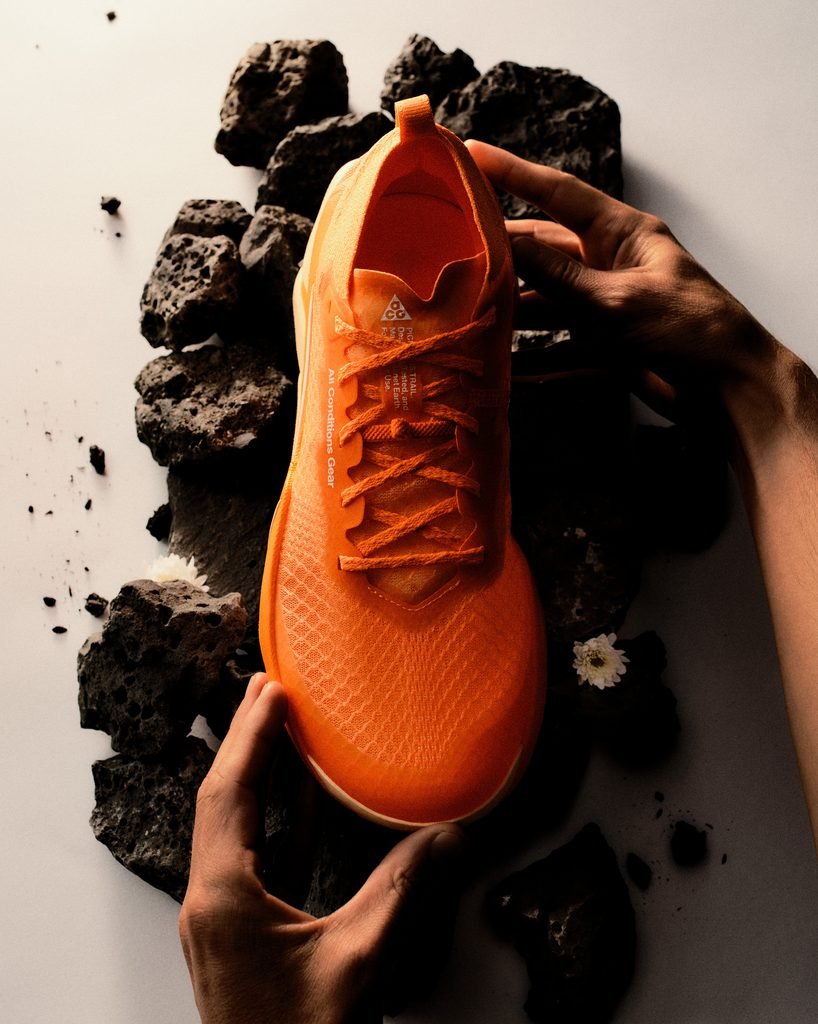
Nike has not announced a price, a weight in grams or a stack height for any of these shoes. Kiger Hike is the only one with a stated drop, at 4 millimeters.
Kigerfly will be available at nike.com and select retailers in the spring. Kiger Hike joins the lineup in the summer. Picklejus launches globally in the fall.
My Thoughts
Lichter nailed it. On technical terrain, you don’t want to be thinking about your shoes and that’s exactly what I want from a trail race shoe. If the pair on your feet is doing its job, you notice the trail, not the shoe. And god forbid if you ned to stop and re-tie them.
Nike’s early proof points are strong, at least on paper. More than 22,000 miles of wear testing, more than 10 podiums and a Western States course record in a shoe that isn’t even for sale yet.
I haven’t run in Kigerfly or even seen them in real life, and I won’t until it actually comes out. I’m hoping they;re on display at TRE but we’ll see.
It’s also interesting that Nike built this for technical trails and sub-ultra distances, then its own athletes took it longer. Lichter wearing it at Western States tells you the elites are already stretching what the shoe was designed for. That doesn’t mean it’s the right ultra shoe for you. It means the “sub-ultra” label might say more about who Nike thinks will buy it than it does about a hard limit.
Kiger Hike is the one I’d keep an eye on for mixed days. A low-profile hiking shoe with a 4-millimeter drop, a wider forefoot and a full-coverage outsole is a lot closer to how a lot of runners actually hike than a heavy boot is. Nike hasn’t priced it, so I’m not getting ahead of myself.
Then Picklejus arrives in the fall, the big-mountain shoe for longer days.
But ACG is building its portfolio and now has three shoes, one traction platform, all with three different jobs. It’s a clean idea. I just want to run in them before I pick a favorite.
Leave a Reply
You must be logged in to post a comment.