


Veronica Ewers was one of the most exciting American climbers in the sport. She showed up to her first group ride around Seattle on a too-big, hand-me-down bike, turned pro with EF a few years later, and finished fourth overall at the women’s Giro d’Italia.
She was also running on empty, and had been for years.
At the Second Annual Hill Climbers Summit, Ewers walked through it plainly. She had RED-S, Relative Energy Deficiency in Sport, and she fell into it for a lot of reasons. Overtraining, under fueling, and a struggle with an eating disorder. She lost her menstrual cycle for more than a decade. In her twenties, she found out she was close to osteoporosis.
“My body had completely shut down,” she said.
Along the way, she ended up in the ER with heat stroke and, in her words, “nearly into kidney failure.” Then came the moment that really got her attention. “I was jogging for 20 minutes and fractured my heel,” she said. “That’s when I found out my bone density was horrendous, because that’s not normal.”
She spent the next two seasons trying to heal while racing at the highest level, which she called “such a contradictory life.” After blood work at the end of last season showed her hormones still hadn’t recovered, she knew she needed to step away and fix her health.
“I was walking away from a paycheck and I was walking away from friendships,” she said. She initially regretted it. Now she says she’s “pretty recovered at this point.”
What RED-S Is

The International Olympic Committee defines RED-S as a syndrome caused by problematic low energy availability. In plain English, you’re not eating enough to cover your training and everything else your body needs. When that gap sticks around, your body starts cutting what it sees as optional. According to the IOC, that can include reproductive hormones, bone health, immune function, metabolism, heart health and mental health. Performance takes a hit too, though Ewers pointed out the cruel twist: results can look good at first. “But then it just kills you,” she said.
It affects men too, the IOC is clear on that. But as Ewers put it, in women the signs are often more obvious: a lost period, poor mood, being “fatigued all the time.” Add diet culture on top. Smaller is better. Sugar is bad. Earn your food.
“People do not realize how much they actually need to consume,” Ewers said.
The Week That Changed Things
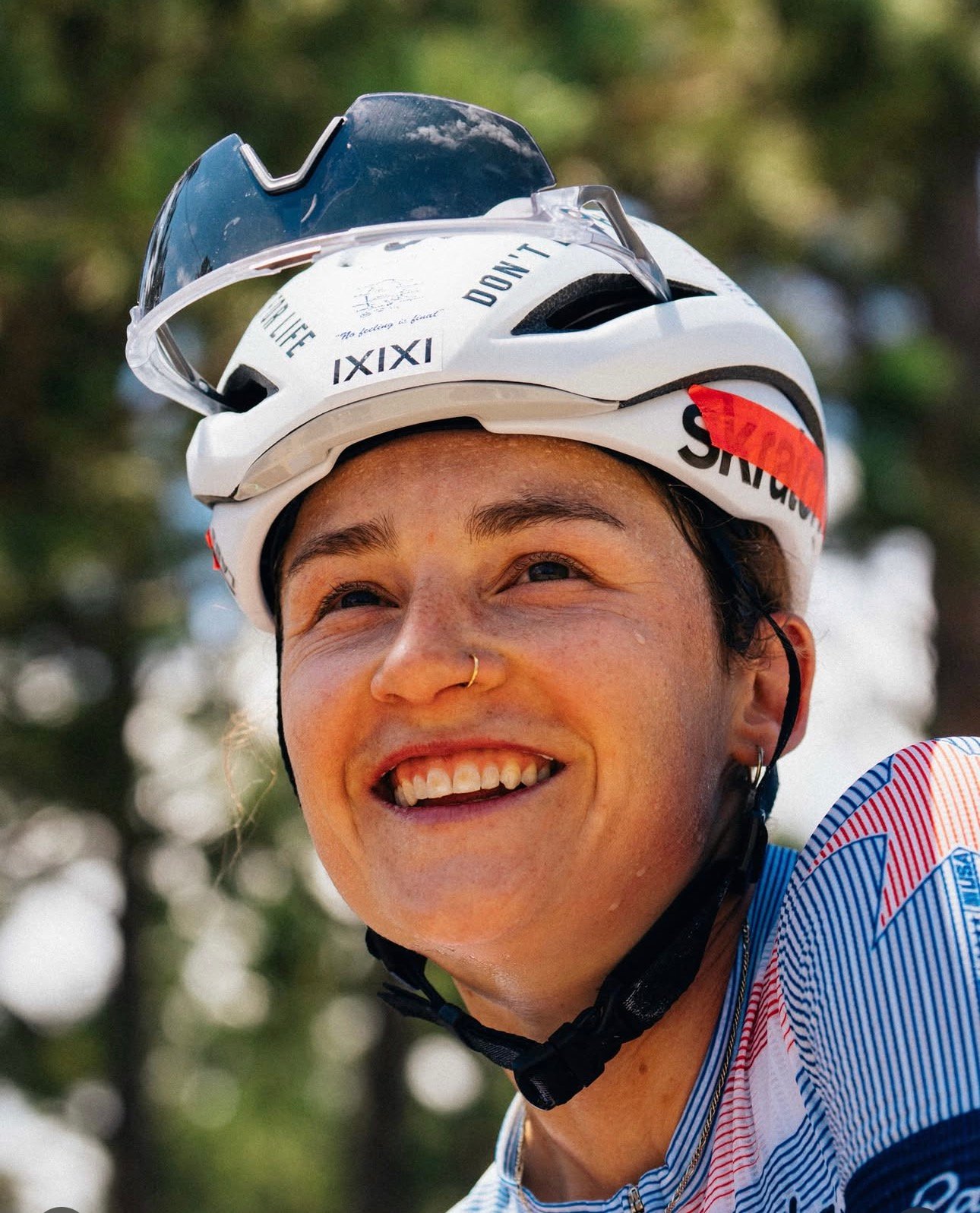
Last year, Ewers started working with Dr. Allen Lim, the sports physiologist from the sports nutrition company Skratch Labs. “He’s actually my coach now, and a mentor,” she said.
As she recovered, she noticed what felt like a monthly cycle without a bleed, so Lim suggested they treat it like one. In what they figured was her late luteal phase, the second half of the cycle, he had her eat 10 to 12 grams of carbohydrate per kilogram of body weight for a week. With her history, that was scary, but it was only a week.
“Literally after that week, I got my cycle back. After more than a decade,” she said. “And it was because of increasing carbohydrates and just fueling myself properly.”
To be clear, that’s what worked for her, under her coach’s guidance, after a long recovery. It’s not a protocol to copy. Major sports nutrition guidelines reserve 8 to 12 grams per kilogram a day for athletes training four to five hours a day. The point isn’t the number. Her body needed far more fuel than she’d been giving it, and carbs were the missing piece.
Sugar Isn’t the Enemy
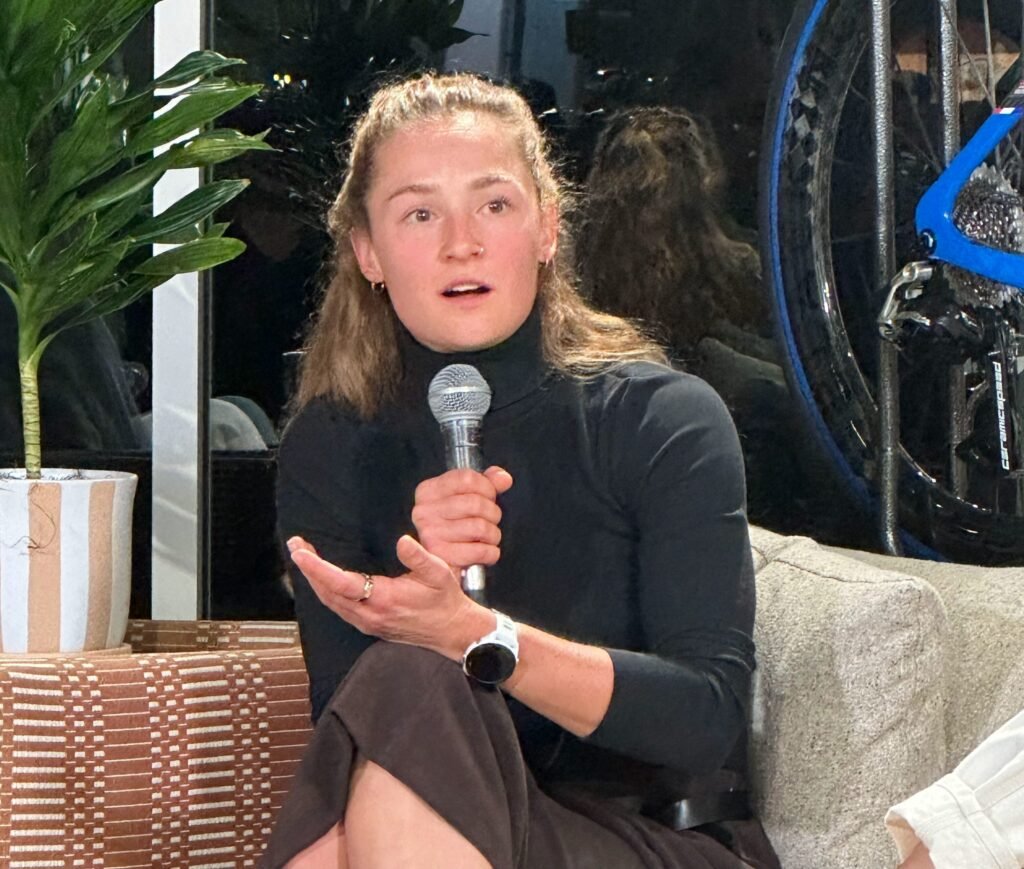
One story Veronica brought up that struck me was, a nutrition scientist described sitting down with a group of freshman athletes at Stanford. She told them to go to the cafeteria and have a bunch of candy before training. One young woman in the back went pale, and when the scientist checked on her, she said she’d never had sugar in her life.
A college athlete who’d been taught her whole life that sugar is bad and she’d never touched it.
Ewers pointed to the men’s side too. Jonas Abrahamsen has talked openly about under-eating earlier in his career. He went from about 60 to about 80 kilos and wore the polka-dot jersey at the Tour de France for about 10 days. Weight, Ewers said, should be basically the last thing you focus on.
“Demi Vollering is a powerhouse. Tadej Pogačar is a powerhouse,” she said. “They perform well because they’re consistent, and they’re able to do so because they’re fueled properly and they’re healthy.”

This Isn’t Just a Pro Problem
“It’s not just elite sport,” Ewers said. “The weekend warrior can be impacted by this.” A first-time marathoner on a low-carb plan or a teen doing two-a-days who skips lunch is doing the same math with smaller numbers.
Getting women on bikes at all isn’t easy either. Ewers called US cycling expensive and inaccessible, with scary road infrastructure, and “still a bit of a boys club.”
Warning Signs to Watch For
Athletes need to take this all seriously and some warning signs include:
- A missing, irregular or late period
- Constant fatigue, even after easy days
- Low mood, irritability or anxiety around food
- Bone stress injuries, especially from low-impact activity
- Getting sick a lot, or slow recovery from illness and injury
- Performance that’s stalled or dropping even though training is going up
What to Do
- Eat before you train. Have a real snack or meal with carbs one to four hours before a hard session.
- Fuel during long sessions. For workouts over about an hour, the guidelines suggest 30 to 60 grams of carbs an hour, and up to 90 for really long efforts.
- Get help early. If any of those warning signs sound familiar, see a doctor and a sports dietitian. If food has started to feel scary, find someone who specializes in eating disorders.
This isn’t medical advice. If you have or had these symptoms, see a doctor or a registered sports dietitian.
My Thoughts
It was so refreshing to hear this straight from a pro cyclist. Don’t be scared of sugar. Eat the gummy bears, even right before your ride.
You’re putting in a ton of work, and whether you’re a man or a woman, you have to fuel properly to back it up. The sport isn’t about who’s the lightest anymore, it’s about who’s the strongest. That’s such a necessary thing for people to hear. And if you’re feeling terrible, go see someone. Your health depends on it.
Leave a Reply
You must be logged in to post a comment.