

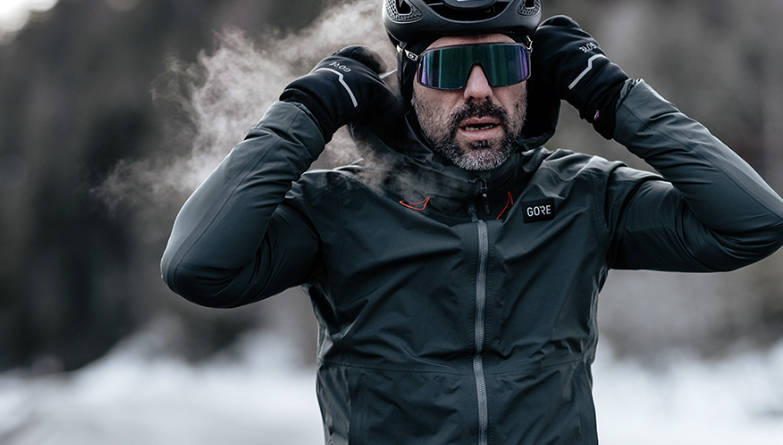
There’s some genuinely sad news coming out of the cycling and endurance world this week: Gorewear is shutting down.
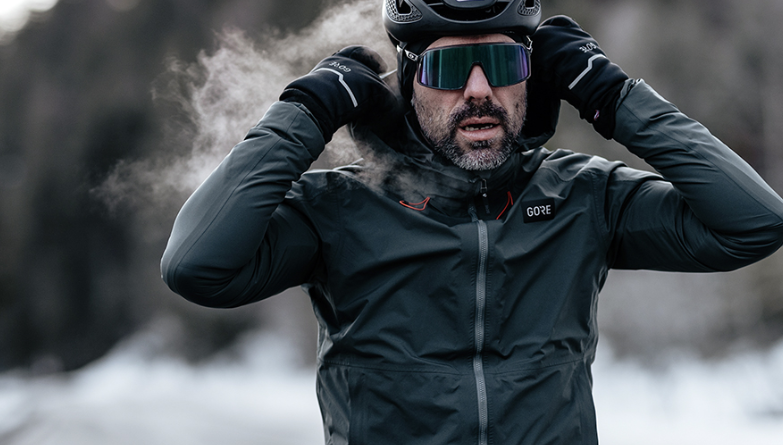
If you’ve spent any time riding, running, or training through bad weather, this one probably hits close to home. I’m personally thankful for my Gorewear windbreaker after nine hours of freezing Kansas temps.
Gorewear was never PAS, Rapha, or Bandit. They didn’t chase hype, trends, or flashy colorways. They made gear that worked at prices that were fair.
You bought it, trusted it, and wore it into miserable conditions knowing it would do exactly what it promised.
That kind of reliability is rare.
The Brand That (Quietly) Had Your Back
Gorewear built its reputation on reliability; their jackets kept rain out and bibs held up over every season. There was nothing overly sexy or influencer-driven about it — and that was the point.
If you spend five minutes scrolling Reddit or cycling forums right now, you’ll see the same sentiment repeated over and over: this stuff just worked. The Gore Q line, in particular, has become a cult favorite over the years.
For a lot of athletes, Gorewear was the default answer when someone asked, “What should I wear when the weather sucks?”
And now, it’s going away. But this isn’t just a farewell to a beloved label. It also tells a bigger story about how brutal the modern performance apparel market has become.
Gorewear tried to adapt over the years, combining its running and cycling lines in 2018 and offering a range of products from jerseys and bibs to weatherproof outerwear, but in the end, the parent company concluded “it could not achieve sustainable growth in a crowded category.”
Did Gorewear Eat Itself?
Gorewear was built on one of the most recognizable materials in performance apparel: Gore-Tex; the waterproof membrane is so ubiquitous it’s almost invisible.
Think “Intel Inside.” You’ve owned and trusted it but rarely think twice about who actually made it.
And that ubiquity may have been part of the problem.
In what I’ve read, the company behind Gore-Tex, W. L. Gore & Associates, will continue producing and licensing the material long after Gorewear disappears.
Gore-Tex will live on in jackets, shoes, gloves, and shells from countless other brands. Over time, the technology became bigger than the brand itself. When everyone can license the same membrane, Gorewear lost its primary point of differentiation.
What remained was solid construction, fair pricing, and reliable performance — all admirable traits, but no longer enough in a market crowded with louder design, stronger lifestyle positioning, and more compelling storytelling.
In the end, licensing Gore-Tex made the technology indispensable, while quietly making the Gorewear label optional.
It’s a tough lesson in a volatile industry: when your core innovation belongs to everyone, your brand has to stand for something more than just competence.
And in a performance apparel world that rewards differentiation as much as durability, that gap proved fatal.
If You’ve Ever Loved Gorewear, Act Fast
Here’s the practical reality: inventory is already getting picked apart.
If you’ve been thinking about grabbing a jacket, vest, or pair of bibs “eventually,” now is the time.
Discounts are heavy with retailers like Competitive Cyclist and Backcountry still have some remaining stock at 50% off. Once the supply is gone, that’s it.
A Quiet Exit for a Quiet Legend
Gorewear’s shutdown is a reminder that not every great brand gets a flashy send-off. Some just fade out after decades of doing the job well, without ever needing to shout about it.
And maybe that’s fitting. But one we wanted to write about.
If you’ve ridden in Gorewear, you already know what it meant. If you haven’t, you’ve got a small window to find out why so many are bummed right now.
Gorewear kept a lot of us dry, warm, and moving when conditions tried their best to stop us. It was a solid run, congrats!
Orders will still be accepted and fulfilled through March 31, 2026, but after that, the brand is gone.
Leave a Reply
You must be logged in to post a comment.