

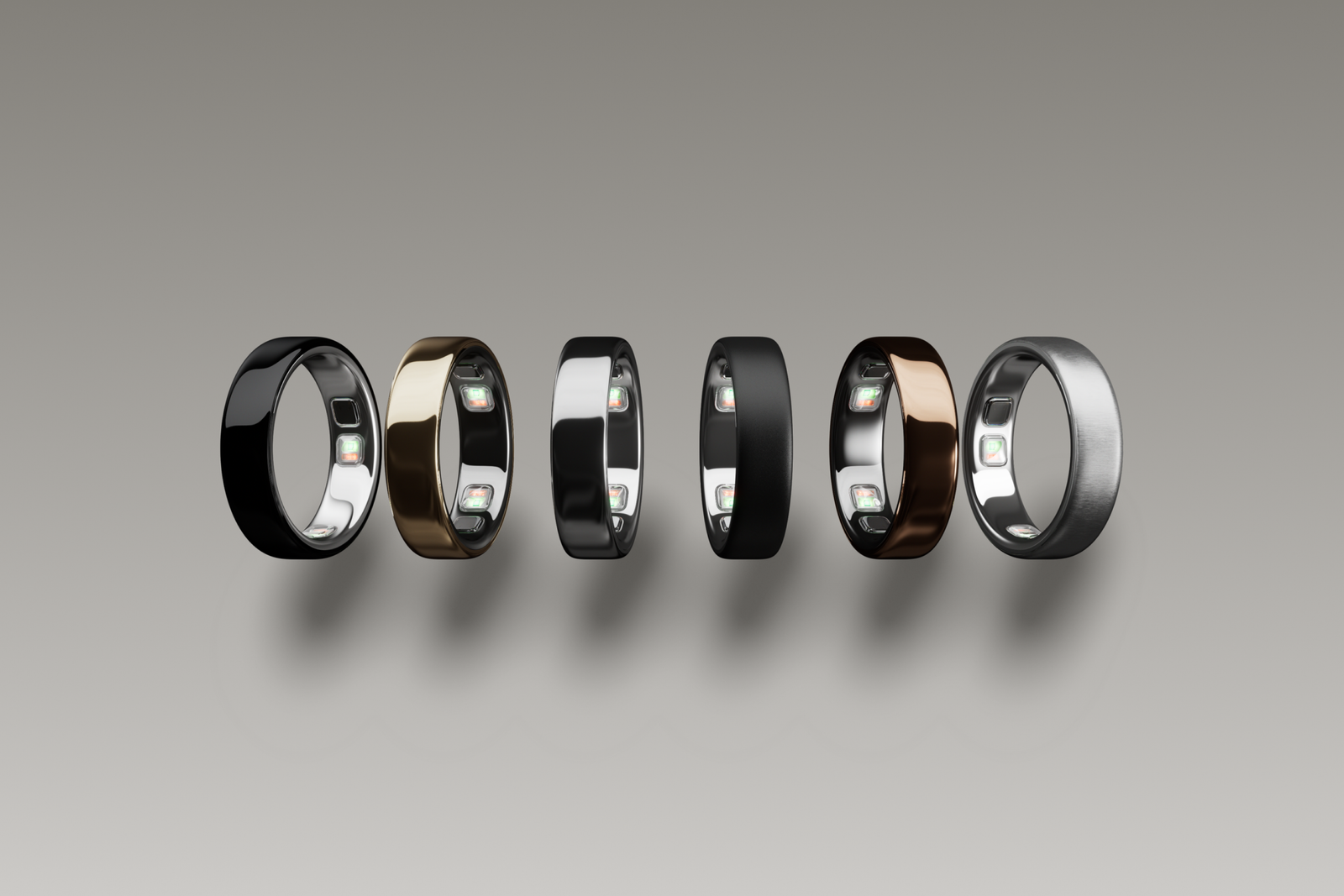
If you’ve been watching Oura’s trajectory and news cycle, today’s announcement was almost inevitable. The company that filed for an IPO last week just made its boldest hardware move yet: the Oura Ring 5, which the company is calling the world’s smallest smart ring.
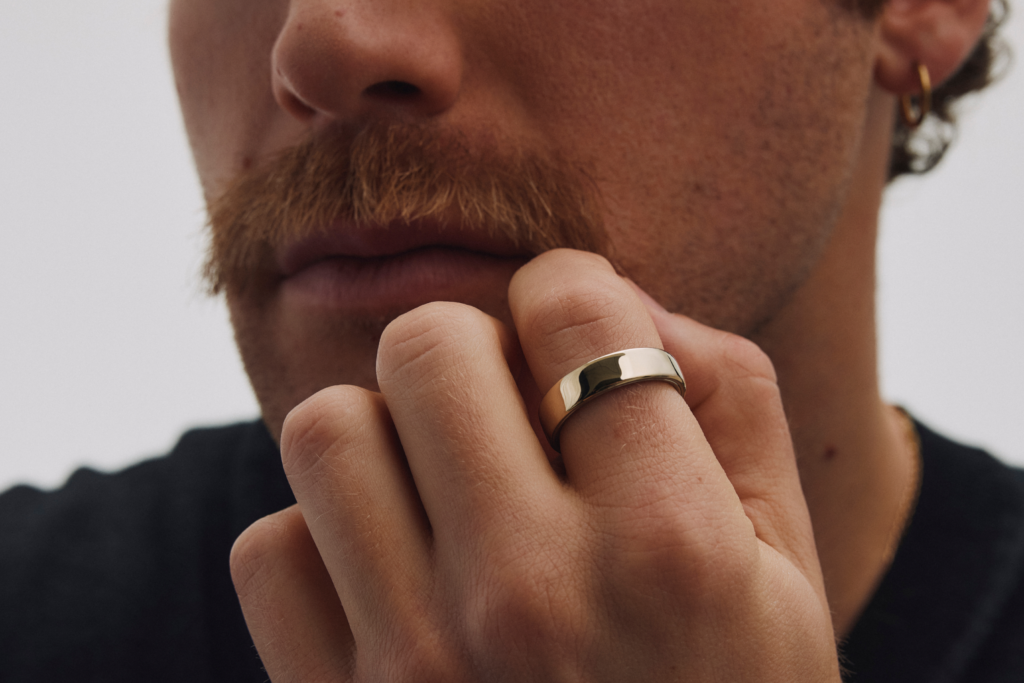
At 6.09mm wide and 2.28mm thick, the Ring 5 is 40% smaller than its predecessor and made possible in part by new low-profile sensor domes and a brand-new battery design. For athletes who’ve hesitated on smart rings because they feel bulky, this addresses the biggest objection head-on.
What Actually Changed: Ring 4 vs. Ring 5
Let’s be direct about what Oura upgraded.
New Health Features
Our bread and butter so let’s first talk about this. Oura is introducing a new Health Radar feature, which continuously monitors key biometric signals in the background to surface patterns members should pay attention to before they become problems. It builds on the company’s existing Symptom Radar feature. The Ring 5 also adds a Blood Pressure Signals feature, including nighttime blood pressure monitoring, a capability that subscription-free rivals like RingConn and Ultrahuman have already brought to market.
However, Blood Pressure Signals and Nighttime Blood Pressure are only available in the US, India, and the UAE starting June 2026.
Size and Form Factor
The Ring 5 measures just 6.09mm wide and 2.28mm thick, compared to the Ring 4’s 7.90mm width and 2.88mm thickness, a reduction that, in real-world terms, makes the Ring 5 look and feel much closer to a traditional band than a health tracker. The transition to the synthetic resin inner band is more seamless, and the outer surface has a slightly more curved profile — a deliberate direction for Oura given its growing celebrity following. Even the largest Ring 5 only tips the scales at 2.69g.
Battery Life
The Ring 5 can last between six to nine days, compared to five to eight days on the Ring 4. That’s not a huge jump, but considering its greatly smaller, getting any extra days as a buffer helps.
Sensors and Accuracy
The Ring 5’s optical sensors are reportedly significantly larger than those in the Ring 4, with additional red and green LEDs expected to improve heart rate and SpO2 accuracy. Oura also says the Ring 5 features a new signal architecture for better skin contact, with twelve stronger signal pathways for greater accuracy across more finger types and skin tones.
Software and Integrations
Oura announced a partnership with on-demand care platform Counsel Health to bring AI-enabled care directly into the Oura app. Users can also import clinical blood work results directly into the app to compare biomarkers side by side with daily ring data; a meaningful move for serious athletes who already track labs and want it all in one place.
Colors and Price
Rose Gold is out. Deep Rose is in, alongside Matte Black, Silver in brushed and glossy finishes, and Gold.
The Ring 5 starts at $399 (woof), a $50 bump from the Ring 4’s $349 entry price. The subscription remains in place.
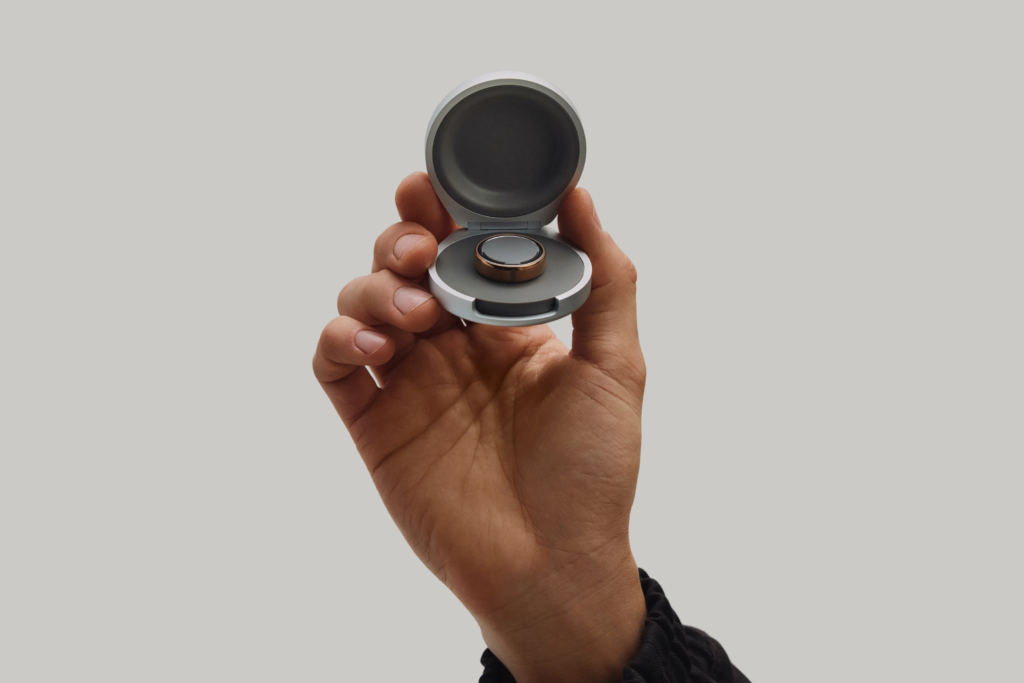
A separate charging case is available for $99 but is not included with purchase but it is capable of charging the ring up to four times before needing to be plugged in.
Our Thinking
Oura is launching the Ring 5 just a year and a half after the Ring 4, compared with the roughly three-year gap between the Ring 3 and Ring 4. Competitive pressure is real and the need to keep printing money is always top of mind. The smart ring space has gotten crowded fast, and subscription-free alternatives have been gaining traction with athletes who don’t want another monthly fee attached to their gear stack.
For athletes who are keen on data and numbers, the Ring 5 is worth a serious look. The form factor finally matches how a ring should feel during a long run or ride, the sensor improvements are genuine, and the move toward clinical data integration positions Oura as something more than a recovery tracker.
The Ring 5 is available for preorder today and begins shipping June 4.
Leave a Reply
You must be logged in to post a comment.