

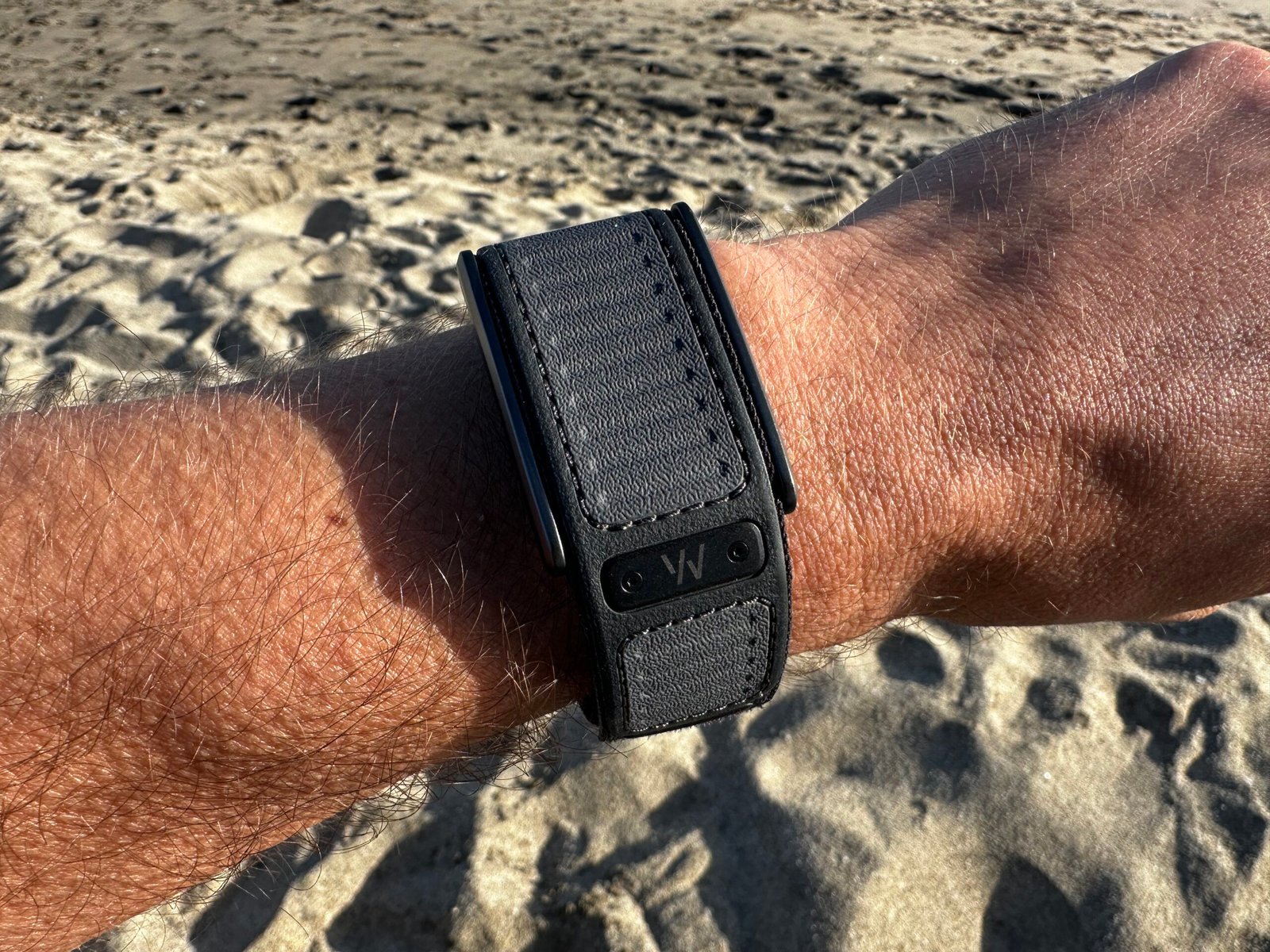
I’ve always been fascinated by how wearables know what we’re doing. With COROS or Garmin, you physically start an activity; but how does WHOOP know the difference between a run, a swim, a bike ride, or a lift?
And the thing that sent me down this rabbit hole was swimming. Because if you swim with a WHOOP regularly, you’ve probably experienced this: you finish a session and nothing shows up until hours later. You might suddenly get: “Swimming detected.”
So out of curiosity, I started digging into how this actually works, because there’s no way I’m the only one who’s wondered about it.
Turns out, it’s way more complicated than “high heart rate = workout.”
WHOOP Is Looking for Patterns.
According to WHOOP, the device continuously analyzes your heart rate, motion, movement patterns, and other physiological signals 24/7 to determine whether you’re actually doing an activity.
It doesn’t react to one spike, because your heart rate can jump from a variety of activities. That alone doesn’t mean “workout.”
Instead, WHOOP is looking for a combination of things happening together, like, sustained elevated heart rate, repetitive movement patterns, a duration long enough to separate real activity from random noise, and lastly motion signatures that match known exercises.
Your Wrist Has a “Movement Fingerprint”
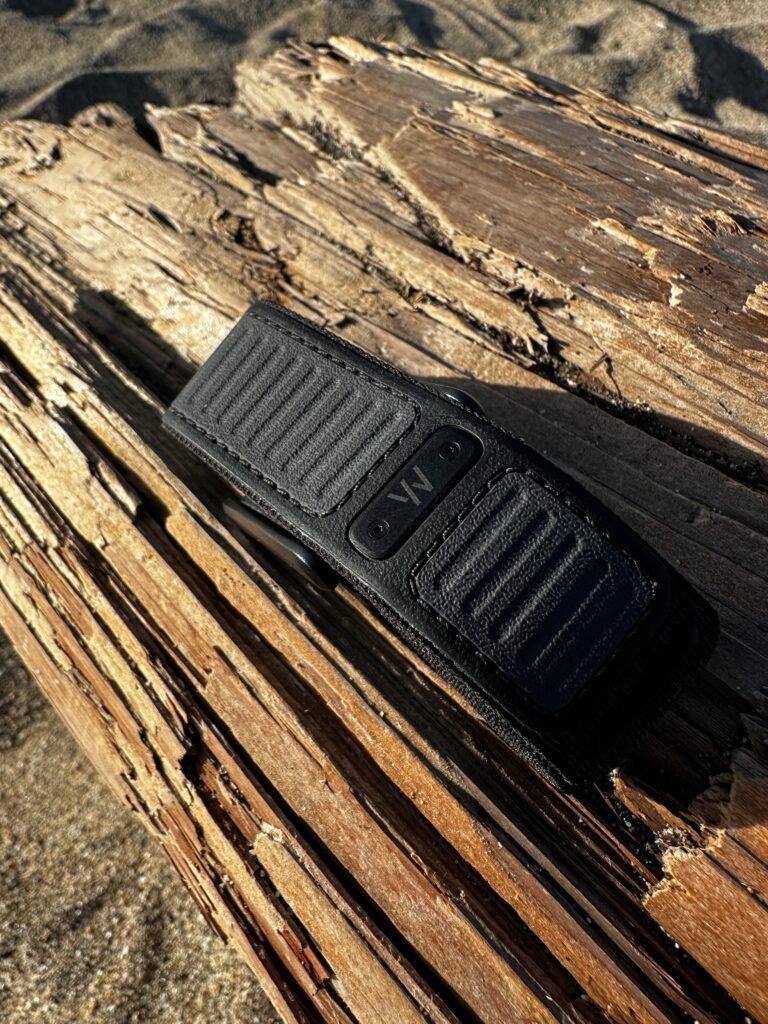
Every activity creates a unique motion pattern. Running has rhythm. Cycling has cadence. Strength training is more erratic. And swimming creates rotational wrist movement plus intermittent heart rate spikes.
WHOOP’s models are trained using massive amounts of member data from real workouts across different sports, body types, ages, and fitness levels. In other words, millions of people have unknowingly helped train WHOOP’s AI to recognize what movement looks like.
Which means your freestyle stroke probably creates a recognizable wrist pattern that resembles thousands of other freestyle swimmers before you.
The sensors inside the band track orientation, acceleration, rotation, and movement sequencing — then machine learning models compare those patterns against existing activity profiles. The more data WHOOP gets, the smarter it becomes.
So Why Does Swimming Take Forever to Show Up?
This is the part I was most curious about.
WHOOP processes activities after your heart rate returns to baseline — meaning your workout isn’t always finalized in real time. That delay can take up to 20 minutes after exercise ends, and sometimes longer if syncing or processing lags behind.
Swimming is especially tricky for a few reasons.
Water messes with sensors. Optical heart rate sensors already struggle compared to chest straps, then add water, wrist flexion, pressure changes, cooler temperatures, and inconsistent skin contact, and things get even harder. This is also why some swimmers report missing HR data entirely during a session.
Swimming isn’t continuous. Unlike most running, swimming has natural pauses in rest intervals, and flip turns, so your effort pattern becomes less predictable than steady-state cardio.
WHOOP is conservative. This one stood out to me. When WHOOP isn’t confident enough to identify an activity correctly, it often waits or labels it generically rather than guess wrong. The thinking here is most people would rather see a delayed workout than a completely incorrect one. Huge turn off, they said.
WHOOP Learns You
WHOOP’s activity classification becomes personalized over time based on your workout history, recurring habits, heart rate profile, and movement patterns. It learns your routines, and auto-detection tends to improve the longer you wear it. Give it a few weeks when you’re starting out.
But It’s Still Not Perfect
For as good as activity detection has gotten, it still feels surprisingly human. You don’t have to remember to start tracking, but there’s something uneasy about fully trusting that a device will.
Sometimes WHOOP nails it instantly. Other times it misses a workout entirely. Other times it shows up three hours later. Reddit is full of people experiencing all of the above.
That inconsistency is frustrating, but these devices are still making incredibly educated guesses based on patterns. Which, when you think about it, is kind of insane.
The Bigger Question
The more I dug into this, the more I realized WHOOP isn’t really in the workout business. It’s in the behavior business. Your band is quietly building a digital model of your physical life, one pattern at a time.
That’s either the most useful thing a wearable has ever done, or the most quietly invasive. Maybe both.
But when my swim finally appears six hours later labeled correctly?
I still kind of love it.
Leave a Reply
You must be logged in to post a comment.