


Heart rate, pace and power have lived on Strava for years. Sweat loss has not, even though that’s one of the easiest ways to blow up a long session or a race-week workout.
hDrop just jumped in to help. The company now sends a post-workout summary of your fluid, sodium and potassium loss to the matching Strava activity, so the hydration cost of a session sits next to the workout that caused it.
And it is pretty flawless. After your workout is analyzed in the hDrop app, the available results sync into the activity description. Your existing notes stay put.
What’s Happening

Instead of keeping hydration in a separate log, hDrop users can review sweat loss alongside the runs, rides and endurance events they already record on Strava. hDrop also says the two platforms now share workout information, which cuts down on typing training data into the hDrop app by hand.
hDrop is a reusable sweat sensor you wear in training and racing. In the hDrop app, it gives you personalized measurements of fluid and electrolyte loss while you work. The new hook is where that data goes afterward.
The integration is available now to hDrop users through the hDrop app.
This follows hDrop’s recent Sweat Integrated Circuit, or Sweat IC, and an Industry Collaboration Program aimed at helping other wearable makers add sweat and electrolyte sensing to their own devices. The Strava hook is simpler than that. It’s about putting the data you already collected where you already look.
How It Works

Connect Strava inside the hDrop app. Go to Account, then Connected Apps, then Strava, and authorize the link. Once the activity is on Strava, open the matching workout analysis in hDrop. The available results sync to that activity’s description. You’ll need an internet connection and a corresponding Strava activity.
When those results are available, the summary can include:
- Total sweat loss (the fluid you lost through sweat)
- Sodium loss
- Potassium loss
hDrop is clear about one limit I care about: this is a post-workout summary, not live hydration data on Strava. If you care enough and look mid-session, I don’t think I ever would, you’re still reading the numbers in the hDrop app.
The Sensor and What It Costs
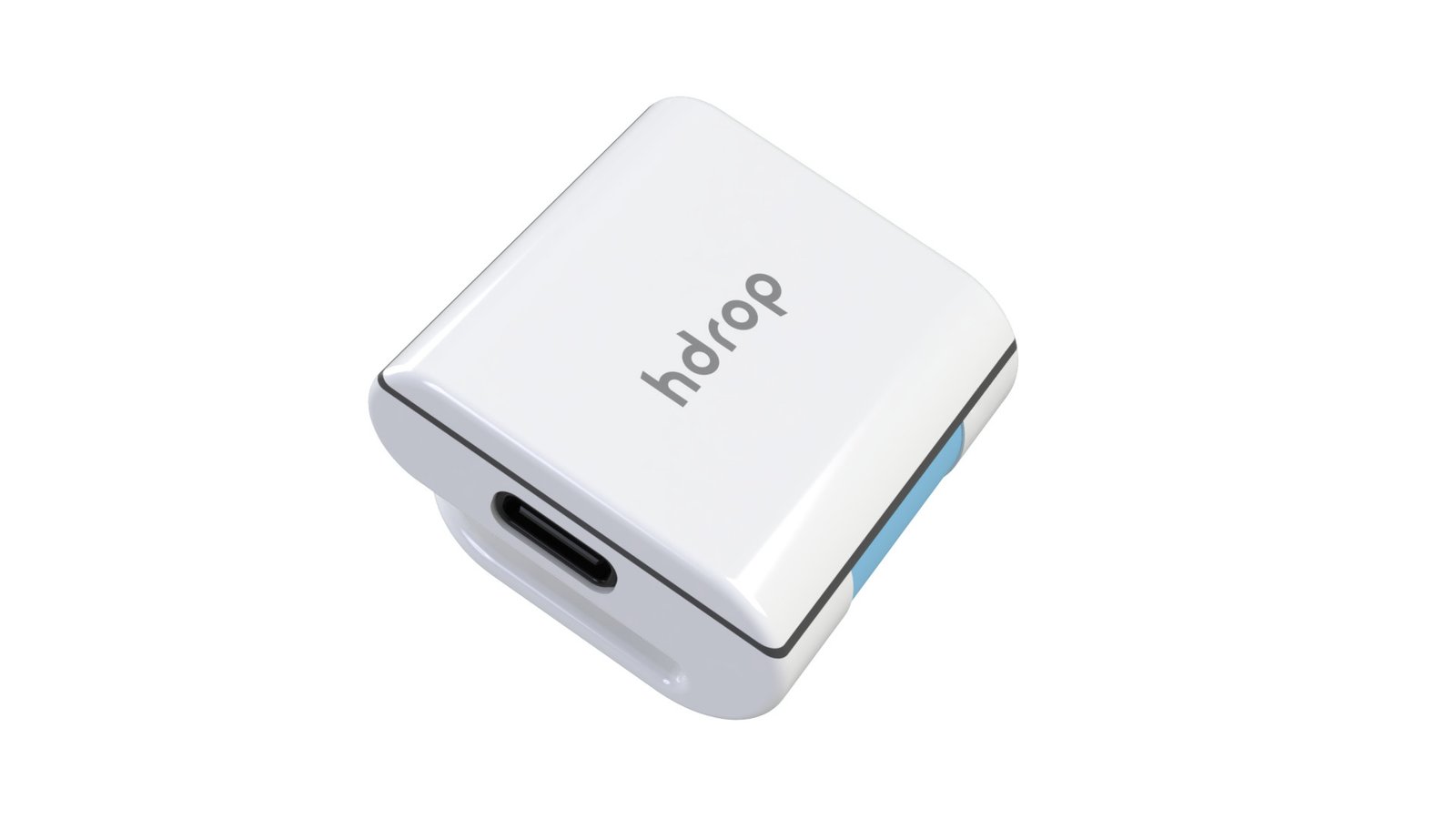
The device hDrop is selling is Gen 2, a reusable wearable sweat sensor with a companion app on iOS and Android. hDrop says it tracks sweat rate and sodium loss in real time during exercise. It is not a medical device and has not been approved by the FDA.
hDrop’s U.S. store currently lists Gen 2 at $249.99, excluding tax.
My Thoughts
This is sick, and it’s exactly what actual athletes need.
You need to understand your sweat rate. If you don’t, you’ll destroy yourself in training, you won’t recover, and you won’t be where you need to be in the key sessions and key workouts leading up to big races.
That’s the whole game. Pace, power and heart rate tell you what the work looked like. They don’t tell you what it cost you in fluid and sodium.
If you don’t know your sweat rate, you’re guessing at the thing that decides whether you can actually absorb the work. Guessing is how key sessions go sideways, and how you show up empty when the race block starts.
Putting that number on Strava makes the most sense because that’s where most people look at their training. The value here is a history you can actually use when you plan the next one workout or a repeat session.
I haven’t used the integration yet. If you already have an hDrop, connect it and start building that log. If you don’t, Gen 2 is $249.99, and it only pays off if you wear it enough to learn your own range, not if you test it once and go back to guessing.
Leave a Reply
You must be logged in to post a comment.