

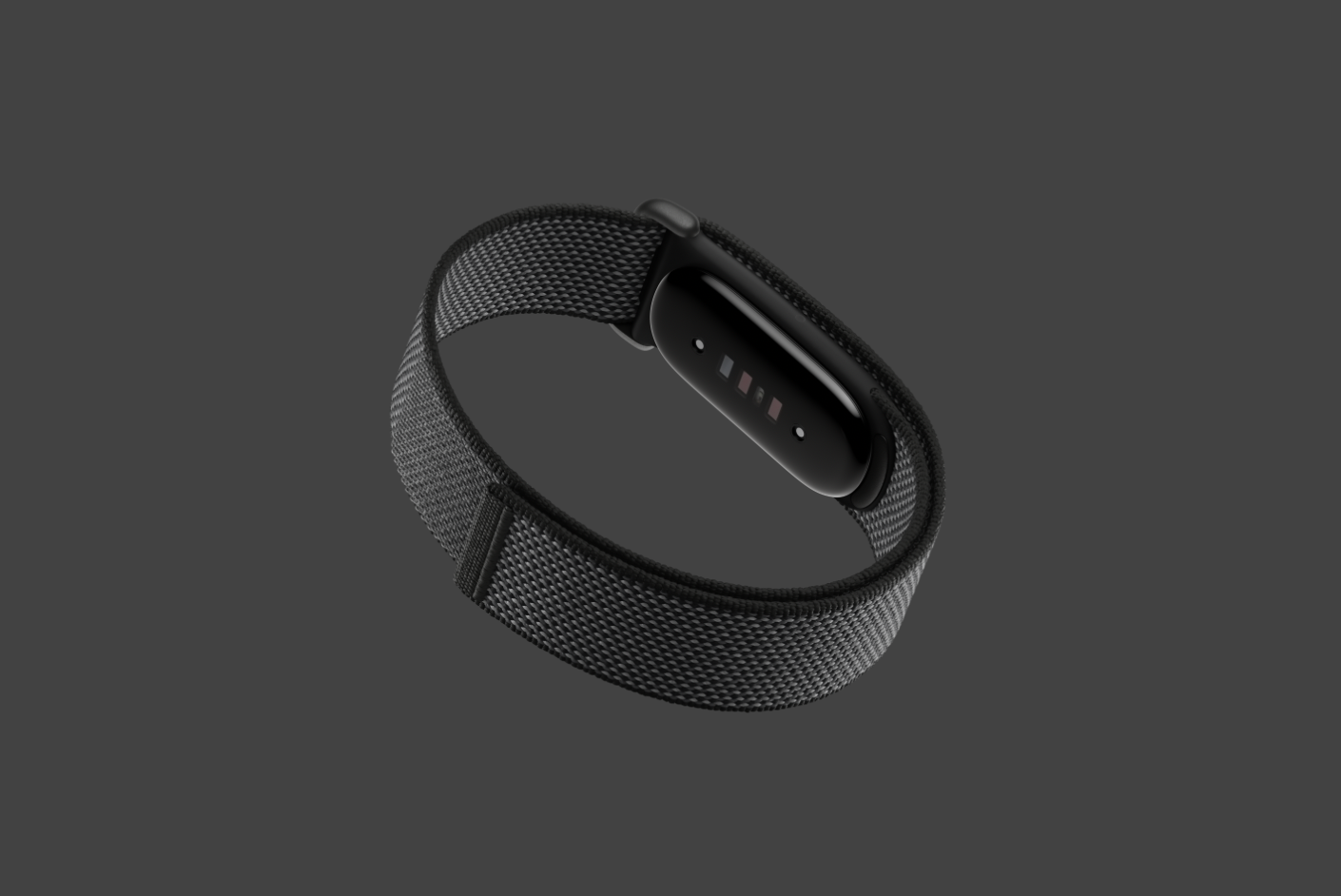
The Fitbit Air showed up today with a screenless design, sub-$100 price tag, and seven days of battery.
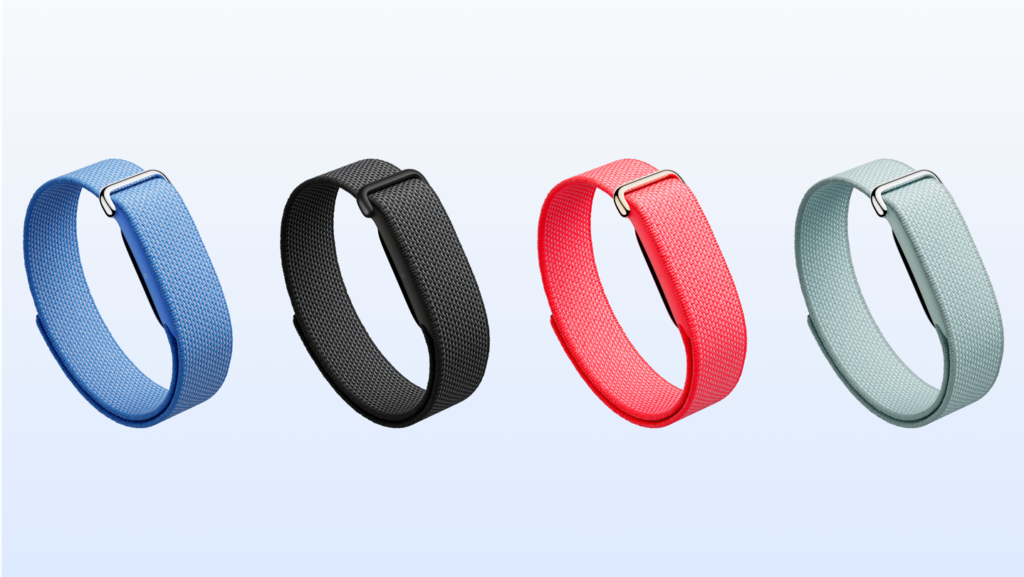
On paper, it sounds like the first real challenger to WHOOP that doesn’t cost a small fortune every year. But the real question for people like us isn’t whether it’s impressive but is it for you.
Spoiler: probably not, but let’s break down why that’s actually interesting.
Here’s What Works

The price is genuinely disruptive. At $99 with no required subscription, Fitbit Air undercuts WHOOP’s entire business model.
WHOOP 4.0 runs you $30/month minimum, meaning you’ll spend north of $360 in year one alone. The Air costs less than a third of that and you own it.
There is an optional Google Health Premium subscription that runs $9.99/month or $79/year if you want the AI coaching layer, but it’s not mandatory to get the core health data.
The hardware specs punch above the price. You get a 2-second heart rate sampling interval, HRV tracking, SpO2, skin temperature, cardio load, daily readiness scoring, and FDA-cleared background AFib detection. WHOOP charges you a premium subscription just to see similar metrics. On spec-for-spec value, the Air wins the paper fight.
Seven-day battery with a 5-minute emergency charge.
Let me repeat that. Five minutes on the charger buys you a full day of tracking. That’s pretty incredible and a practical win for anyone who’s missed a night of sleep data because they forgot to charge.
WHOOP’s battery life is comparable, but their charging situation requires a slide-on battery pack. Which we admittedly love because charging goes with you.
The device is 50-meter water resistance so no worries about water and at 5.2 grams without the band, you’ll forget it’s there. That matters for sleep tracking accuracy, which is where wrist-based wearables frequently fail.
Here’s What Sucks
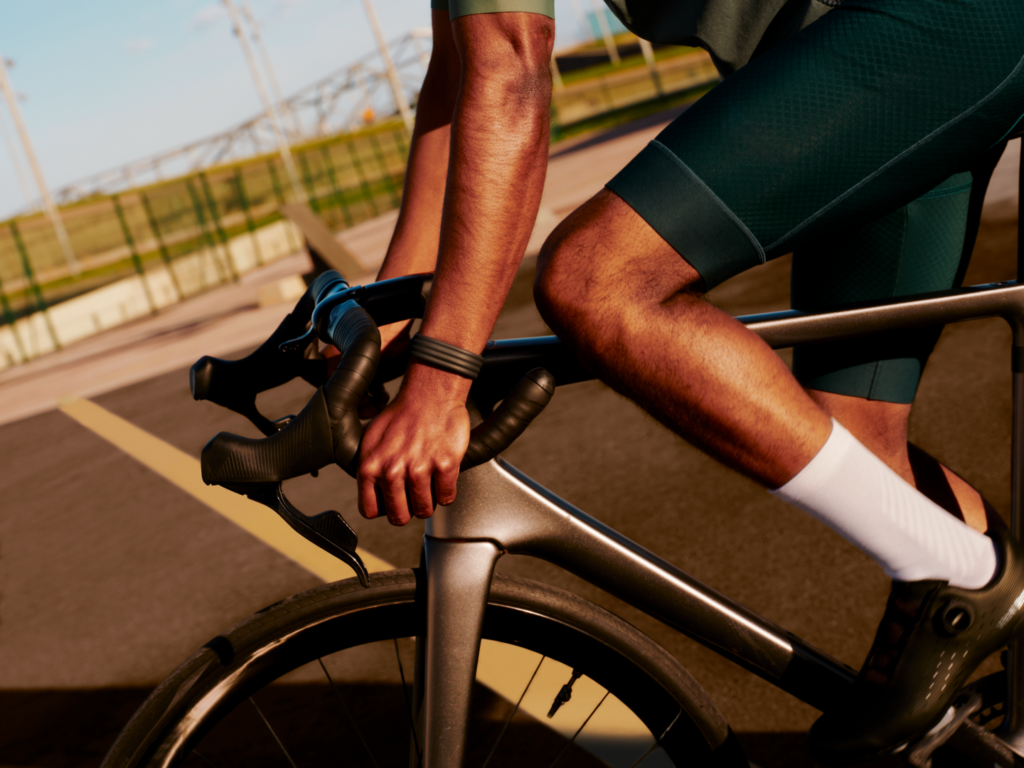
No GPS. At all. Connected GPS via your phone is the only option. For runners and cyclists who train without their phone, or who care about route mapping, lap data, or pace accuracy, this is a dealbreaker. Garmin and COROS aren’t threatened.
There is no manual ECG and the AFib detection is background-only. If you’re a serious athlete who wants on-demand cardiac data, you won’t find it here.
It has one day of offline workout storage and seven days of motion data offline which sounds fine until you realize detailed workout data only stores for 24 hours without syncing. If you’re training in a dead zone, you could very well lose the session which for us, is stressful and not much fun.
The AI coaching layer requires Premium and the Google Health Coach which lets you snap a photo of gym equipment, get workout guidance, and access the most personalized recommendations — is gated behind the $9.99/month subscription. It all sounds very gimmicky to us. We’ve seen this kind of thing before from Samsung.
The device works without it, but you’re paying for half the product.
There is no barometric altimeter so any elevation data for trail runners and cyclists won’t be native.
Reading Between the Lines

The Fitbit Air is essentially the Fitbit Charge 6 without the screen, which is a meaningful design decision. Removing the display isn’t a cost-cut but more a philosophy. All the data lives in the Google Health app which you can check whenever.
That approach works great for recovery-focused training, wellness monitoring, and sleep optimization. It works less great when you’re mid-interval wanting split data or generally tracking anything.
For the athlete pairing this with a Pixel Watch or a GPS multisport watch during workouts — then swapping to the Air for sleep — that’s actually a compelling stack. Google even acknowledges this use case explicitly, noting you can wear a Pixel Watch during the day and switch to the Air for overnight tracking without breaking your data continuity. But why would anyone do that? I guess because you’re charging your Pixel Watch?
The Real Takeaway
The Fitbit Air is not built for athletes who take their training seriously as a standalone device.
It doesn’t have the GPS, the barometric data, the open-water swim tracking, or the multisport depth that most of us want and need from a primary device.
What it is built for is the person who already has a capable GPS watch and needs a lightweight, affordable recovery and wellness layer. Or the person who doesn’t care about splits, and is just about understanding their body.
Compared to WHOOP specifically, the Air makes WHOOP look overpriced for what it delivers. Same screenless philosophy. Comparable health metrics. No mandatory monthly fee. If you’re currently on WHOOP and feeling the subscription fatigue, this is the first real reason to look elsewhere. But can you trust it? We’ve always said, the WHOOP data feels the most accurate out there.
Compared to Garmin, there’s no comparison — they’re different tools entirely. Garmin is a training computer. The Air is a health monitor. They’re not competing.
What to Know
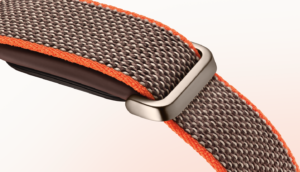
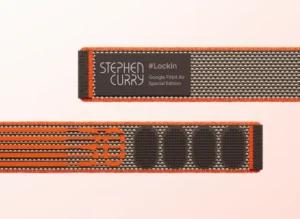
The Fitbit Air is available for pre-order now at $99.99 and ships May 26. The Stephen Curry Special Edition runs $129.99 and includes a performance band with a water-resistant coating and airflow-oriented interior texture. It seems like a functional upgrade, not just a collab tax to users.
Replacement bands start at $34.99. Google AI Pro and Ultra subscribers get Health Premium included, which is worth noting if you’re already in that ecosystem.
What We Think
The Fitbit Air is a well-designed product that earns its price point. It’s not a serious athlete’s primary training device and never claims to be. But as an affordable recovery tracker, a WHOOP alternative without the subscription trap, or a complement to a GPS watch you already own, it’s hard to argue with what Google built here.
Should You Buy It?
If you’re already on WHOOP and questioning whether the membership is worth it: yes, look at this. If you’re a runner or triathlete looking for an all-in-one training and health tracker: no. Keep looking at Garmin or COROS first.
If you live in the Google ecosystem and want seamless health data without another chunky device on your wrist: this was made for you.
Leave a Reply
You must be logged in to post a comment.