

If you’ve been paying attention to what WHOOP has been building over the last 18 months, today’s announcement shouldn’t surprise you. But it should get your attention.
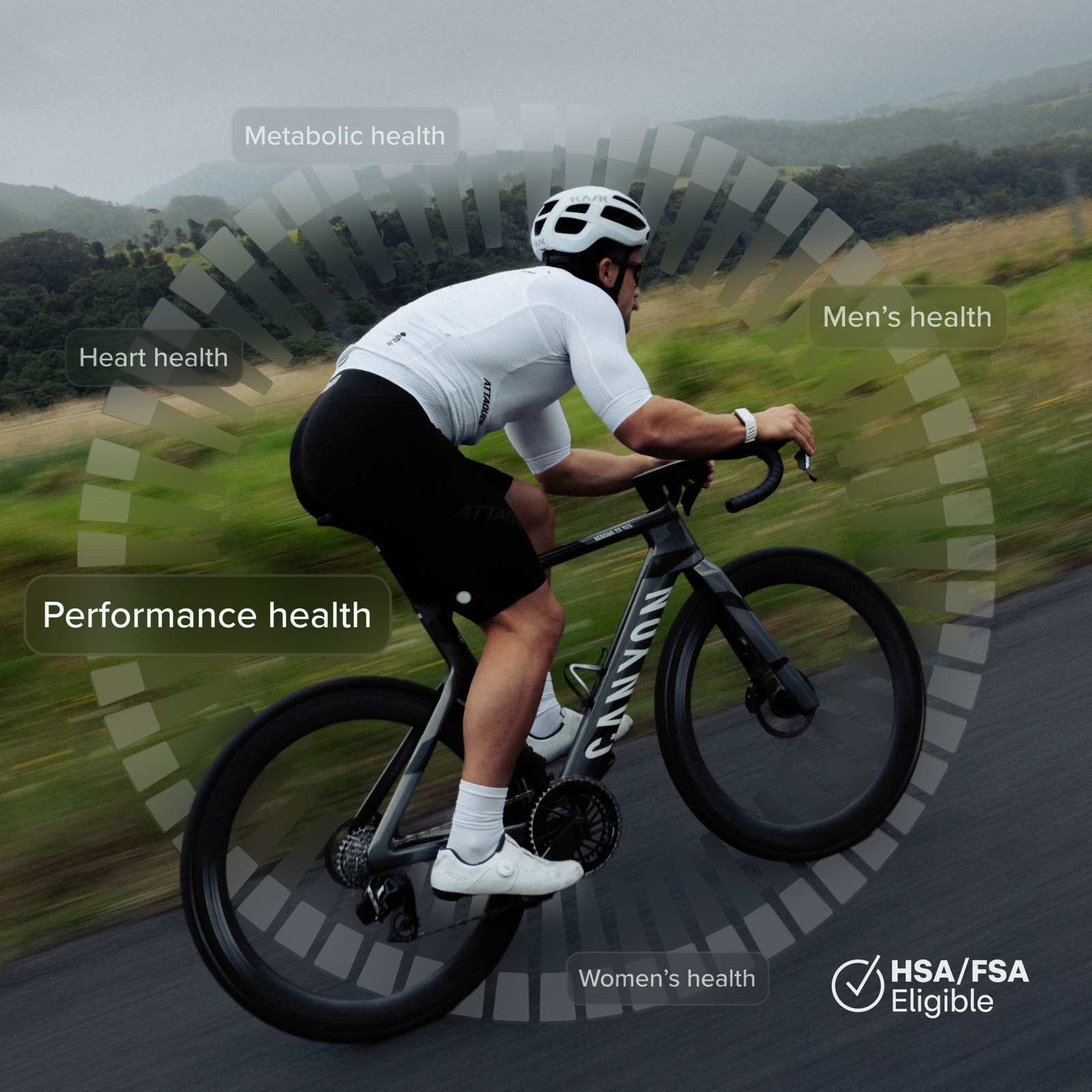
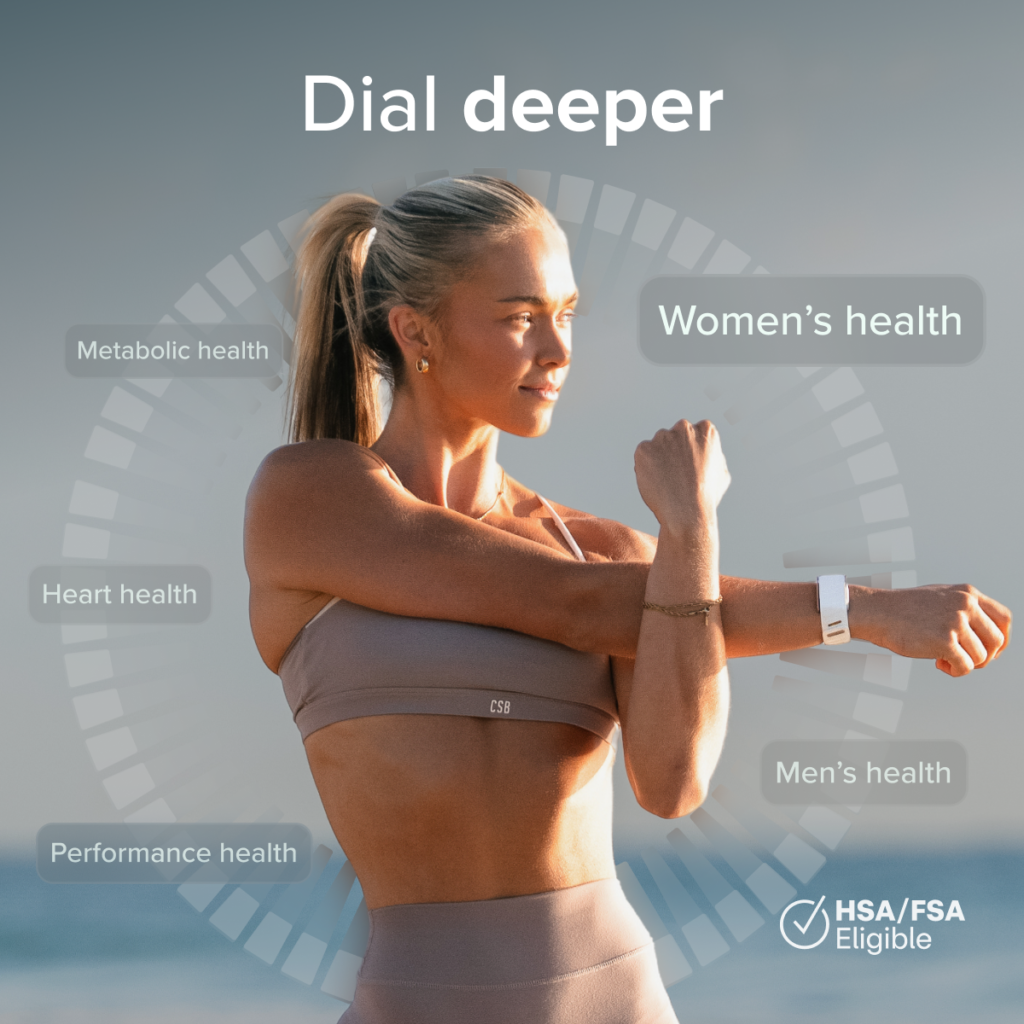
WHOOP is launching Specialized Panels, a new line of targeted blood tests powered by Quest Diagnostics, designed to give members a deeper look into specific areas of their health.
It’s five panels and includes up to 89 biomarkers each and is a one-time purchase of $299. Yes, it is FSA/HSA eligible and there is no subscription required, nor do you need an initial
Comprehensive Health Panel.
The panels cover Heart Health, Performance, Metabolic Health, Women’s Health, and Men’s Health, and they slot directly into WHOOP’s existing Advanced Labs ecosystem, connecting blood data with the continuous wearable signals the platform has been collecting already.
This Is WHOOP’s Next Layer
To understand why this matters, you have to zoom out.
When WHOOP launched Advanced Labs in November 2025, it was a deliberate move to enter the blood biomarker space; a market that companies like Levels, Function Health, and Superpower had been building in for years.
We covered that shift when WHOOP bet big on Women’s Health in March. The platform wasn’t just adding features, it was expanding what the product fundamentally is.
Advanced Labs gave members a broad, comprehensive starting point.
Now. Specialized Panels are the next step in moving from a wide lens to a more focused and granular one. Instead of one panoramic snapshot of your health, you can now go deep on the specific domain you care about most.
From a masters runner worried about heart health to a female triathlete tracking hormonal patterns or an aging athlete managing metabolic function; WHOOP now has a panel for each of them.
According to WHOOP, early data from the Advanced Labs launch makes a compelling case for why this matters.
“The response we’ve seen since launching Advanced Labs has been exceptional,” said Alex Vannoni, Head of Healthcare Product at WHOOP. “Specialized Panels allow us to take the experience further. We’re empowering our members to choose more bespoke panels that address areas of interest or concern.”
Even among WHOOP’s already health-conscious user base, 22% show signs of metabolic dysfunction and nearly 30% carry underlying cardiometabolic risk factors. The good and the bad is that most of these people were without any prior awareness and that’s not a small number but if it can save just one life, that’s an argument for needing specificity.
How It Works
Members select the panel that fits their focus, schedule a blood draw at one of approximately 2,000 Quest Diagnostics patient service centers nationwide, and receive results directly in the WHOOP app. Every test is ordered and reviewed by a licensed healthcare provider.
This is where it really gets pretty cool if you’re already a WHOOP user. Once you get your results, they don’t sit in isolation, instead, they get integrated with the continuous WHOOP data already being collected — sleep, strain, recovery, HRV — and translated into clinician-reviewed summaries and actionable recommendations. That feedback loop between targeted lab data and daily behavior is exactly what separates WHOOP’s approach from a standalone blood test service. They’re making it actionable.
The Bigger Picture
Back in March, WHOOP closed a $575 million Series G at a $10.1 billion valuation. The stated mission: build the world’s leading personal health platform. Specialized Panels are another brick in that wall.
The trajectory is clear. First it was the wearable. Then recovery and sleep scoring. Then the FDA-cleared ECG and Blood Pressure Insights. Then Advanced Labs. Now domain-specific panels targeting the areas health-focused individuals actually worry about. Each layer adds context. But, each layer makes the platform harder to walk away from too.
The question WHOOP has been answering, piece by piece, is this: what does it look like when a wearable knows not just how your body is performing today, but what’s actually happening inside it? Specialized Panels bring that vision closer to reality that anyone else.
A bit scary to think one company has all of this knowledge but if it can save lives, willingly ignoring potential underlying risks may be even scarier.
Leave a Reply
You must be logged in to post a comment.