

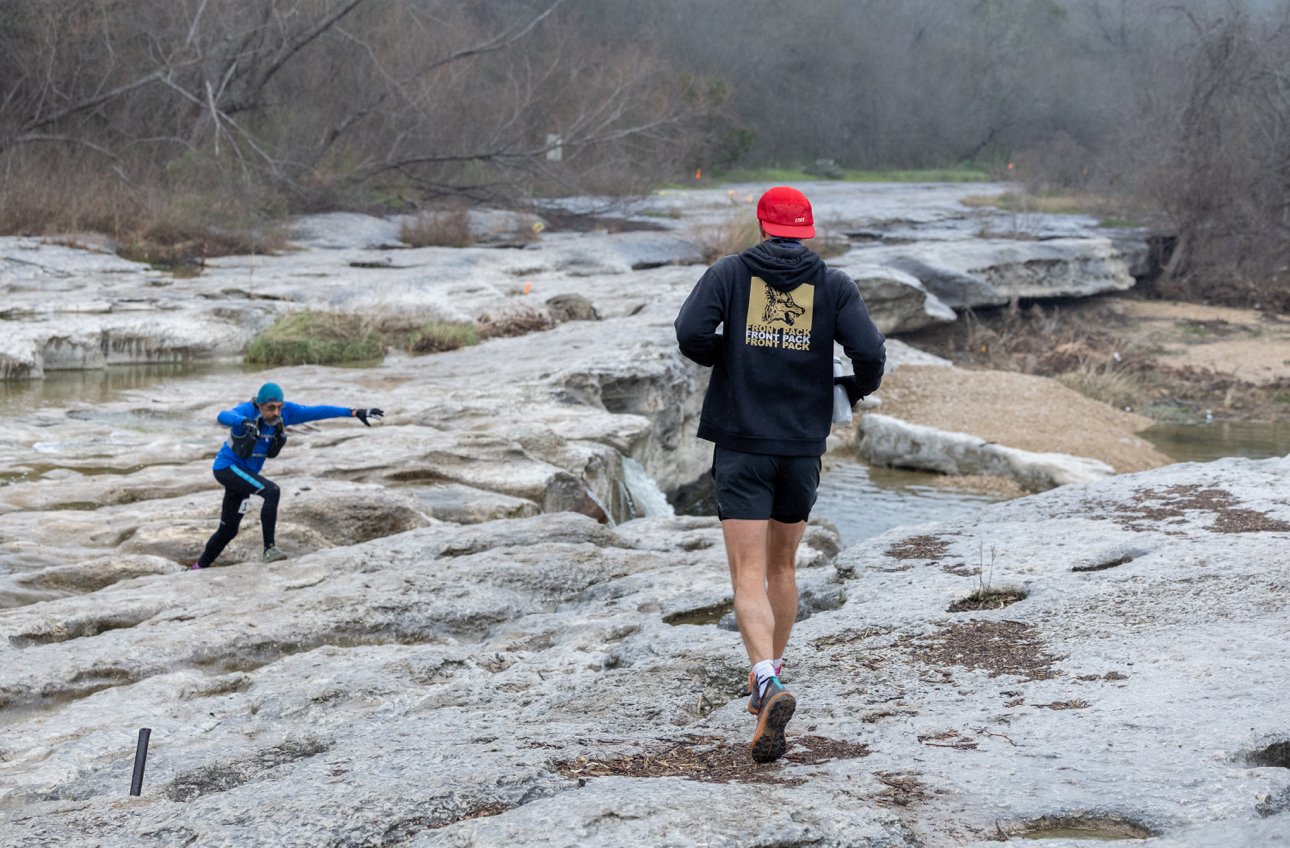
Your watch isn’t broken. It’s just answering a different question than you’re used to.
I already told you why you run slower in the summer heat. Heat slows you down, your heart rate climbs, and February splits and sweat tests don’t mean much in July.
Winter is the same problem, just flipped.
And this time, most people make it worse by chasing their October numbers in December.
As an endurance coach, it’s one of the mistakes I see most once the first cold snap hits.
So here’s what I tell the athletes I coach.
Cool Is Fast. Freezing Isn’t.
Let me start with the good news.
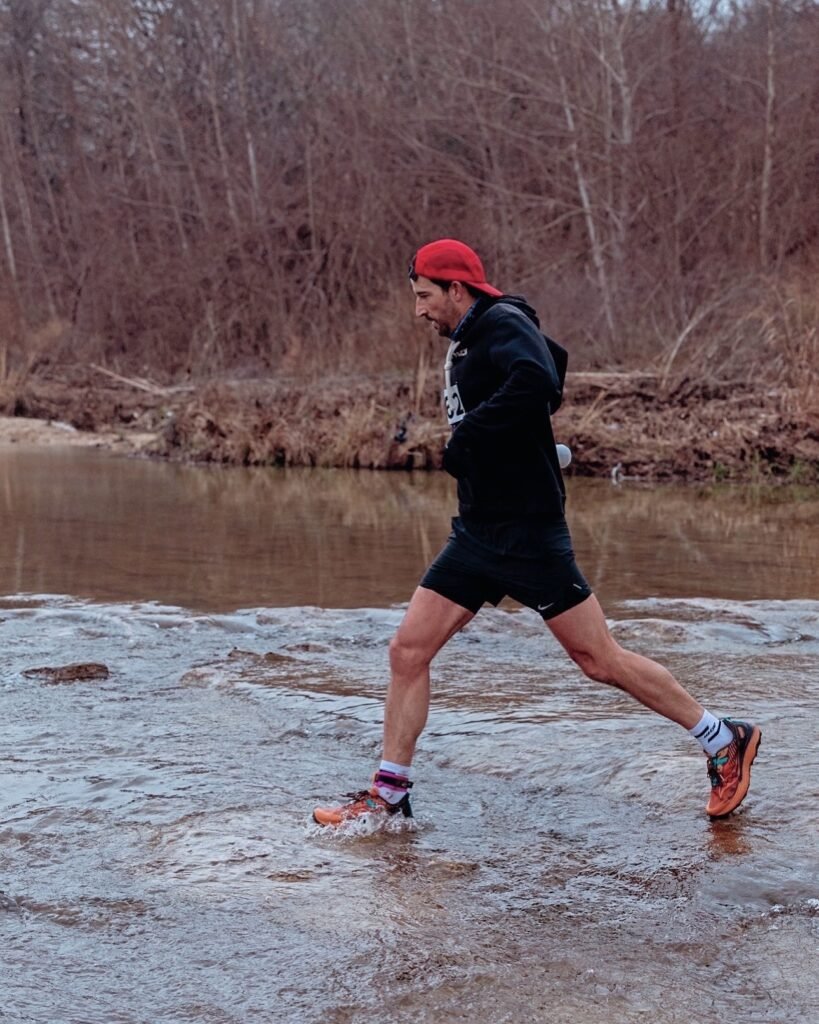
Cool weather is genuinely fast weather. A 2007 study of seven marathons, including Boston, New York and Twin Cities, looked at decades of results. The researchers found “a progressive slowing of marathon performance” as the wet-bulb globe temperature rose from 41°F to 77°F (5°C to 25°C). Slower runners took a bigger hit than the leaders.
That’s why fall race season feels like cheating.
But there’s a floor to that. Coach and author Matt Fitzgerald puts the sweet spot at 40 to 55°F. Below freezing, he says, your heart works harder to hold a stable core temperature, which means higher heart rates and slower paces.
So in the cold, the same pace can cost more, and the same heart rate can buy you less.
If you’re using October zones on a 20°F morning, your “easy” run might not be easy. And your threshold session might be quietly turning into a race.
The Treadmill Has Its Own Math
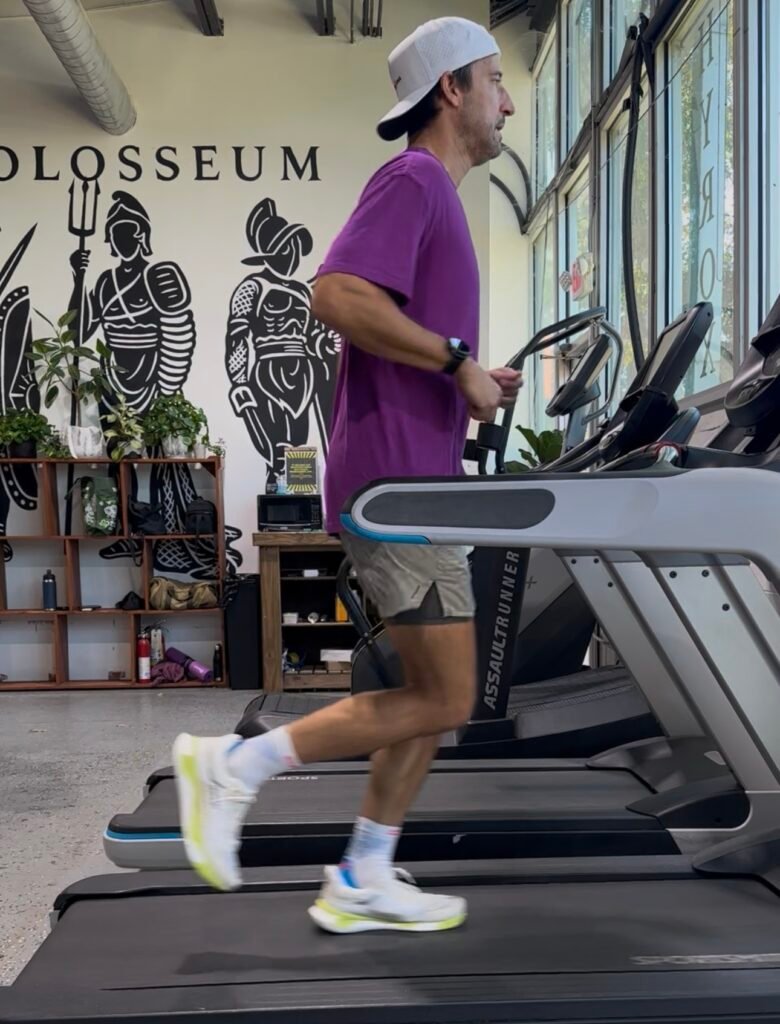
Moving inside doesn’t solve it. It just swaps one set of distortions for another.
There’s no wind, and no air resistance.
A classic 1996 study by Jones and Doust found that a 1% treadmill grade “most accurately reflects the energetic cost of outdoor running.” That was in trained runners going roughly 9:11 to 5:22 per mile for about five minutes at a time. At 0%, the treadmill is a little cheaper than the road, especially at faster speeds.
So if you’ve ever wondered why your treadmill tempo felt suspiciously smooth, that’s part of it.
Heart rate shifts, too. Fitzgerald writes that studies show heart rate is slightly lower relative to pace on a treadmill at low intensities, and the opposite at high intensities. In other words, it depends on the session, and you can’t just apply one blanket correction.
And your watch is guessing. Without GPS, your watch estimates treadmill pace from your wrist. Garmin’s own manuals tell you to calibrate treadmill distance after at least 1 mile (1.5 km), and again whenever you switch treadmills. Most people never do this. Then they compare that number to a GPS road run and get upset.
When an athlete I coach tells me their treadmill run felt way harder or way easier than the watch said, this is the first thing I check.
The same goes for the bike. If your trainer and your outdoor power meter are two different devices, that’s two different measuring tapes. Compare yourself to yourself on the same setup.
Optical Heart Rate Hates Cold Wrists
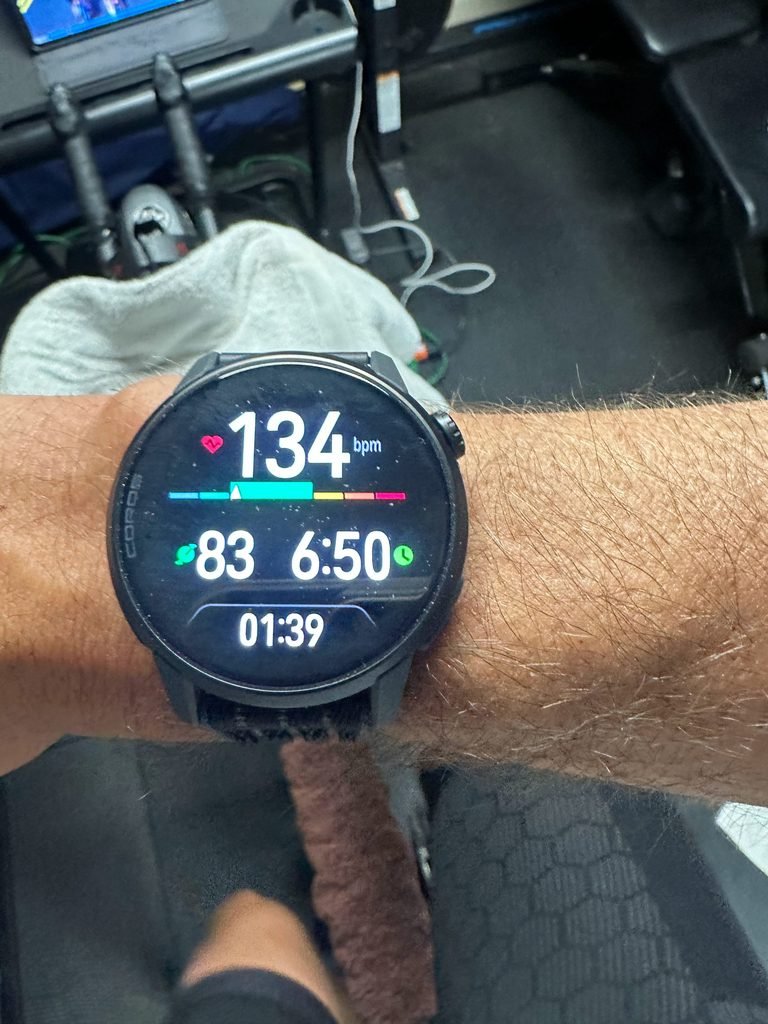
This one is quick, but it gets a lot of people.
If your wrist heart rate looks unhinged for the first 10 minutes of a cold run, you’re not having a cardiac event.
Garmin’s manuals literally say to warm up for 5 to 10 minutes and get a reading before starting, with a note: “In cold environments, warm up indoors.”
If heart rate actually matters for the session, wear a chest strap. It is the most accurate. If it doesn’t matter, ignore the first few minutes of data.
Want more no-BS endurance news and gear takes? Get my free newsletter.
How I Coach Athletes Through It
This is the system I use myself and give the athletes I coach. It’s not fancy.
- Effort is the Boss. When pace and heart rate disagree, I go by how the effort feels. Fitzgerald points to research showing perceived exertion stays consistent across conditions, and that an RPE of about 6 out of 10, “comfortably hard,” lines up with lactate threshold. Easy days are conversational. Hard days are hard. The watch is there to back me up, not to boss me around. When an athlete sends me a panicked heart rate screenshot from a cold run, my first question is: how did it feel?
- Power on the Bike. Power doesn’t care what the thermometer says. If I have it, I use it for intervals. Then I keep the setup consistent.
- Re-anchor Once, then stop Fiddling. If you really want winter numbers, do what Fitzgerald suggests: warm up, build to that “comfortably hard” 6 out of 10 in the conditions you’ll actually train in, and note your heart rate and pace. That gap from your normal threshold numbers becomes your winter adjustment.
- Longer warm-ups before anything Spicy. Cold muscles plus a hard start is a bad combo. I give quality days extra easy minutes before the first rep. And yes, Garmin’s indoor warm-up advice is a nice excuse to do a few drills in the kitchen.
- Calibrate the Treadmill, or at a minimum set it to 1% incline. Either way, treat treadmill pace as its own thing.
- Don’t compare December to October. and don’t compare it to April. These are all different conditions, different sport. Compare December to last December if you have to compare at all. I tell my athletes this every year, and I’ll keep saying it.
Ice Is the Exception
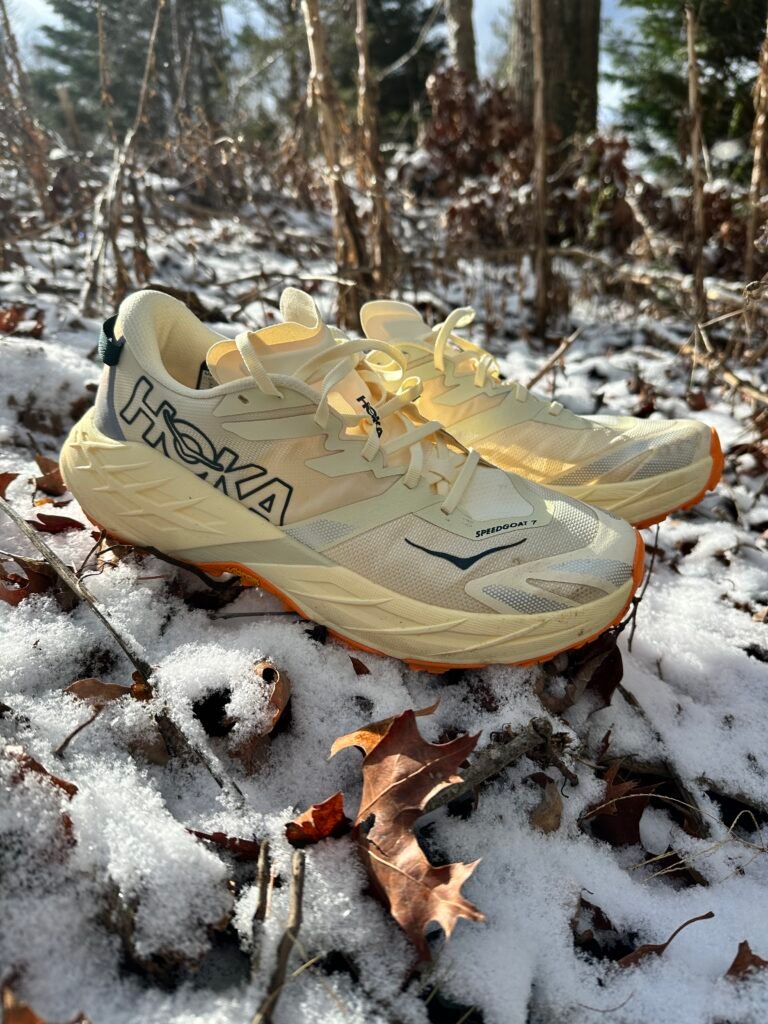
On ice or bad footing, I ignore the watch entirely.
Snow, slush and frozen ruts change your stride, and your pace will look awful. That’s fine. The workout that day is staying upright.
No split is worth a broken wrist.
What I tell athletes: if you’re thinking more about your footing than the workout, the workout’s already over. Go inside or call it.
My Thoughts
Winter doesn’t make your data useless. It makes it context-dependent, and most people train like it isn’t.
The athletes I worry about in December aren’t the ones who missed a workout.
They’re the ones who hit every October number in the cold, on a treadmill, at 6 a.m. Then they show up to January tired and confused.
So let the numbers drift. Run by feel, ride by power, and keep a chest strap around for the days heart rate really matters.
That’s the winter plan I give the athletes I coach, and it’s the one I follow.
Your spring self will thank you.
Leave a Reply
You must be logged in to post a comment.