


If an app you use quietly stopped getting your Garmin data this fall, this might be why.
Terra, a San Francisco startup that pipes wearable data into other companies’ apps, has sued Garmin in federal court in California.
Terra says Garmin cut off its access to the Garmin Connect API in September with a one-line message, right after blocking the exact fix Garmin had asked for. Terra says hundreds of thousands of people lost the ability to send their own data to the apps they picked.
That’s Terra’s story, and it’s a lawsuit, so everything from the complaint below is Terra’s allegation, not necessarily the full story.
Garmin hadn’t filed a response or said anything publicly about the case when I wrote this. When Strava sued it last year, Garmin said it doesn’t comment on pending litigation, so I’m not holding my breath.
The real question is whether this is a bigger problem or just Garmin protecting its house. My answer is a bit of both, and the overlap is the part that matters.
Who Terra Is and Why You’ve Never Heard of It
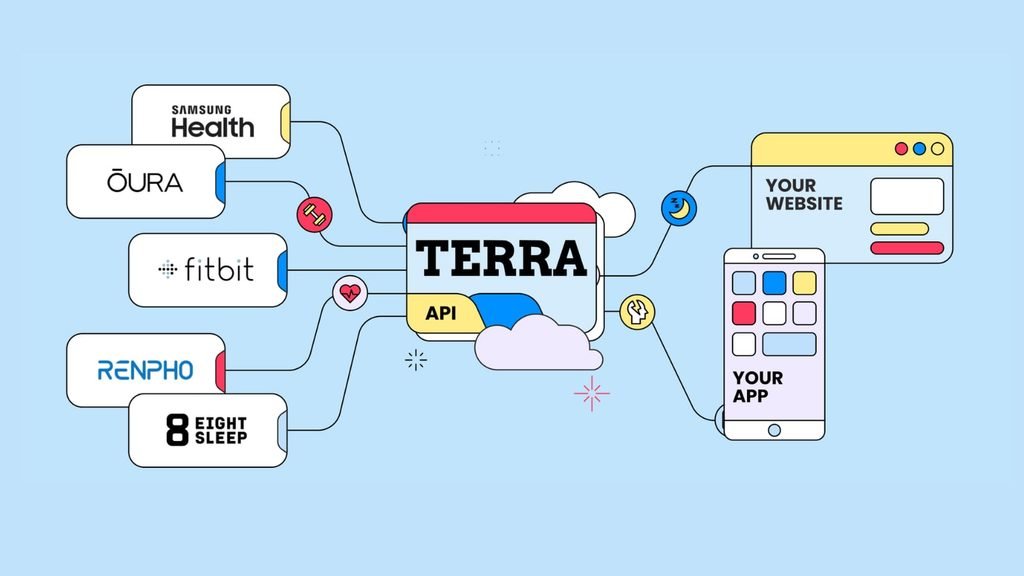
Terra is plumbing. It sells one API that lets an app pull data from a pile of wearables, Garmin included, without building every integration from scratch.
You never see Terra.
You see the coaching app, the clinic portal, the gym platform or the insurance wellness thing that runs on top of it.
According to the complaint, Terra had been a licensee in Garmin’s Connect Developer Program since 2020. Its customers connected to Garmin in three ways: through shared Terra apps, including one called Terra-V5, that served lots of customers at once; through dedicated per-customer apps under Terra’s account; or through apps under the customer’s own Garmin account.
Remember that shared setup. One Garmin key with a bunch of businesses behind it is the whole fight.
What Terra Says Happened
Here’s the timeline as Terra tells it.
- In February 2026, Garmin asked Terra to start creating dedicated apps for each customer instead of adding new ones to Terra-V5. Terra says Garmin set no deadline for moving existing customers.
- In April, Garmin invited Terra to its annual Health Awards. Terra uses that to argue Garmin had no problem with it.
- In September, Garmin told Terra to move every customer to dedicated apps or risk having its apps, or its access overall, shut off. Garmin asked for a roadmap.
- That same day, Terra alleges, Garmin disabled new user sign-ups across Terra’s entire developer account and blocked it from creating new apps, which made the migration impossible.
- Terra says it answered within hours and sent the roadmap. Later that month, Garmin terminated its API access.
Terra CEO Kyriakos Eleftheriou laid it out on Terra’s blog in October.
His version is that Garmin asked for changes, blocked Terra from making them, then cut Terra off for not making them. If that’s what happened, it’s a brutal way to treat a partner.
Then comes the money part. Terra alleges Garmin went straight to Terra’s customers and pushed them into direct, paid deals.
The complaint says Garmin quoted non-refundable $5,000 onboarding fees, sometimes with added per-user monthly fees, and one customer was quoted $0.20 per user per month.
Terra also says Garmin told customers that API data had to stay on servers they own, that credentials couldn’t be shared with any outside party, and in some cases that their privacy policies had to say they don’t use Terra at all, even as a subcontractor.
The complaint lists 17 anonymized customers. One called it a crisis that hit more than a quarter of its users. A Canadian customer said more than 100 patients lost their data. Not a single affected app is named, in the complaint or anywhere else I could find.
Terra also says it’s the only developer Garmin has singled out. That claim is made “on information and belief,” which is lawyer for “we’re pretty sure.”
What Terra Wants From the Court
Terra filed in the Northern District of California with Keker, Van Nest & Peters, a heavyweight San Francisco litigation firm. That isn’t a cheap firm, so Terra means it.
All five claims are under California law: interference with contracts, interference with future business, unlawful restraint of trade, unfair competition, and a request for a declaration of the parties’ rights. Terra wants damages, punitive damages and an injunction stopping Garmin from blocking customers who use Terra or making them swear off Terra to get access.
What’s not in there is a federal antitrust claim. The EU Data Act and GDPR come up only as context for European users. Terra says it sent Garmin EU Data Act requests in late September and got silence back.
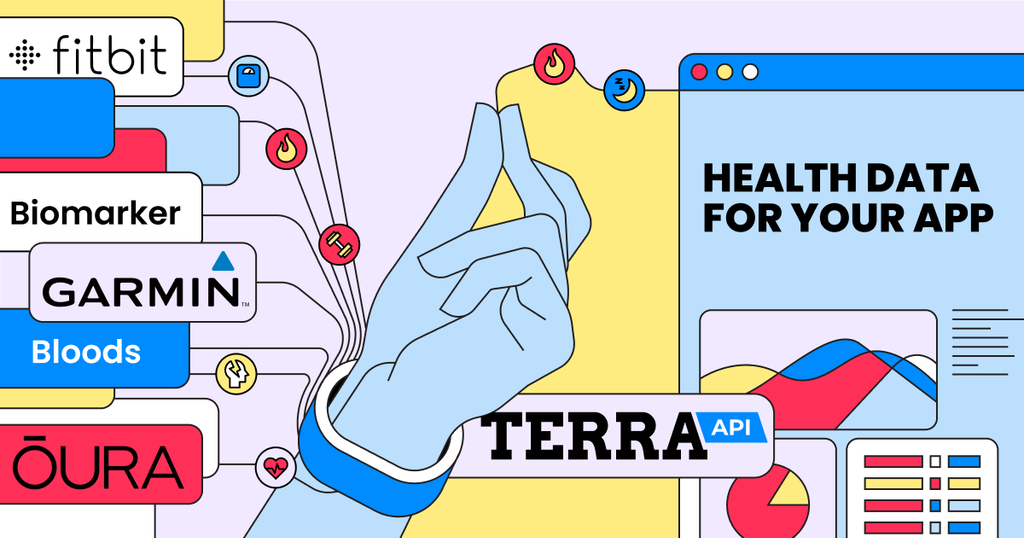
The lawsuit announcement and the complaint both say Garmin devices generate the data, but the data belongs to the user. I agree with that sentence. The case is about whether it means what Terra needs it to mean.
Want more no-BS endurance news and gear takes? Get my free newsletter.
Garmin’s Side, Even Though They’re Not Talking
Garmin doesn’t have to say anything for its likely defense to be obvious. It’s sitting in the Garmin Connect Developer Program Agreement.
That agreement bars developers from making the API available to third parties, including by building their own API that feeds Garmin user data to products “that have not been approved by Garmin in writing.” It also bars earning income from providing API access without Garmin’s written permission. Garmin can end the agreement with 30 days’ notice, and the agreement ends immediately if a developer breaks the terms.
A shared key serving many businesses looks a lot like what that clause prohibits. Terra’s counter is that Garmin knew exactly how Terra worked, assigned someone to manage the relationship and approved each of Terra’s apps. Neither side has published those approvals. That’s the crux of the case.
There’s also some industry baggage.
Ray Maker of DC Rainmaker, who talks to just about every sports tech company, wrote in October that most companies he talks to strongly dislike Terra. He said they feel Terra overstates its partnerships with big platforms and didn’t always use proper, sanctioned connections to the platforms it pulls from. He also wrote that Garmin shut Terra off until it followed rules that had been around for years. Eleftheriou fired back in the comments, saying the piece badly misrepresented Terra.
To be fair to Terra, Ray’s scraping complaint is about other platforms. With Garmin, Terra had an official licensed key.
Garmin Has Done This Before
Garmin rarely yanks access outright. Its usual pattern is to write the rules, enforce them, and then charge.
- 2019: Garmin dropped a $5,000 entry fee for its Connect API. Access stayed free until this year.
- 2020: A ransomware attack took Garmin’s online services down for several days. It wasn’t a policy move, but it was a good reminder that when Garmin’s cloud goes down, every app downstream goes with it.
- 2025: New developer brand rules required “Garmin” device attribution on every view of Garmin-sourced data. Strava sued Garmin over two patents, and its product chief said on Reddit that the real trigger was those attribution rules, alleging Garmin had threatened to cut off its API access. Strava dropped the case 21 days after filing it.
- March 2026: Garmin paused new developer applications for about seven months.
- October 2026: AI coaching app Intervals Pro shut down after Intervals.icu warned that updated Garmin terms would likely stop it from passing Garmin data on to other apps.
- October 2026: Garmin reopened its developer program with three tiers: a free Personal key for your own data, a free Starter tier for apps with up to about 1,000 users, and a paid Enterprise tier.
That free Personal key is a first for Garmin: instant API access to your own data, something brands like Polar, Wahoo and Suunto already make easy. The Enterprise tier is where the money is. Ray reports a roughly $1,000 entry fee that gets credited toward a per-active-user bill. Existing partners move to Enterprise automatically, skip that entry fee and start paying by April 2027. He also says Garmin strips some data it considers proprietary out of the FIT files it sends through the API.
That $1,000 figure isn’t the same thing as the $5,000 onboarding quotes Terra alleges. They come from different sources and might be different deals. I’m not mashing them together.
Why Now? My Read
This section is my analysis after reading through all of the above. Garmin hasn’t explained itself and doesn’t need to, so here are the four theories I find most convincing.
The Data Moat. Garmin’s real edge is the data it has piled up through its acquisitions, now including coaching data, and called that data one of the most valuable assets on Earth right now. In an AI coaching gold rush, an aggregator that lets any app grab Garmin data cheaply works against that edge.
TrainingPeaks. Garmin bought TrainingPeaks and TrainHeroic in July 2026. That means Garmin now owns a coaching platform that competes with some of the apps on the other end of Terra’s pipe. I’ve seen no evidence that Garmin is favoring its own app, but I’m curious.
Money. Garmin already has billions but they got there because paid enterprise access means Garmin gets paid for every active user an app connects. Eleftheriou pointed out that Garmin’s new business program looks a lot like what Terra was already doing. He’s got a stake in saying that, but he’s not wrong that the timing is awkward.
Control and Liability. This is health data, and some of it is clinical. Garmin is on the hook if some sketchy downstream app it never vetted leaks your sleep and heart rate data. Shared keys plus a flood of vibe-coded apps is a real headache, and the most boring theory may be the right one.
Bigger Problem or Self-Protection?
The case for worrying is easy to make. Garmin is now charging, gating the middle layer and trimming what comes through the API. Intervals Pro is gone. Strava ended up telling its own developers to follow Garmin’s attribution rules. Garmin’s move toward charging for API access sets a dangerous precedent for the industry.
The self-protection case to be considered through all of this. These rules have been in the contract for years. The Personal and Starter tiers open Garmin data to more people than ever.
And Garmin isn’t alone.
Strava’s API policy now explicitly bans aggregators that re-expose its data, and Oura’s new API agreement has its own rules for aggregators. Sahha, a health-data API company with its own stake in this, summed it up neatly: access to a wearable maker’s cloud is a license the maker can reprice or take back.
Here’s where I land. You’re not losing your data. You can still export it, grab a Personal key, or sync to Apple Health or Health Connect. What startups lost is the cheap shortcut. The bigger problem is that Garmin now decides who gets to your data and what it costs them, and that cost eventually lands on you through app prices. Terra might be a messy messenger, but the message is still worth hearing.
What It Means for You
- If you’re an athlete and an app stopped getting your Garmin data in September, ask the app whether it ran through Terra and whether it has its own Garmin connection now.
- If you build apps, get written approval from Garmin for any middle layer you use, keep a second data route, and mark April 2027 on your calendar if you’re an existing partner.
What Comes Next
Next up is Garmin’s answer to the complaint, whether Terra asks for an early injunction, and whether EU Data Act pressure goes anywhere. If Garmin says anything, I’ll update this. And if your app went dark this fall, let me know, I’m interested in hearing.
Leave a Reply
You must be logged in to post a comment.