

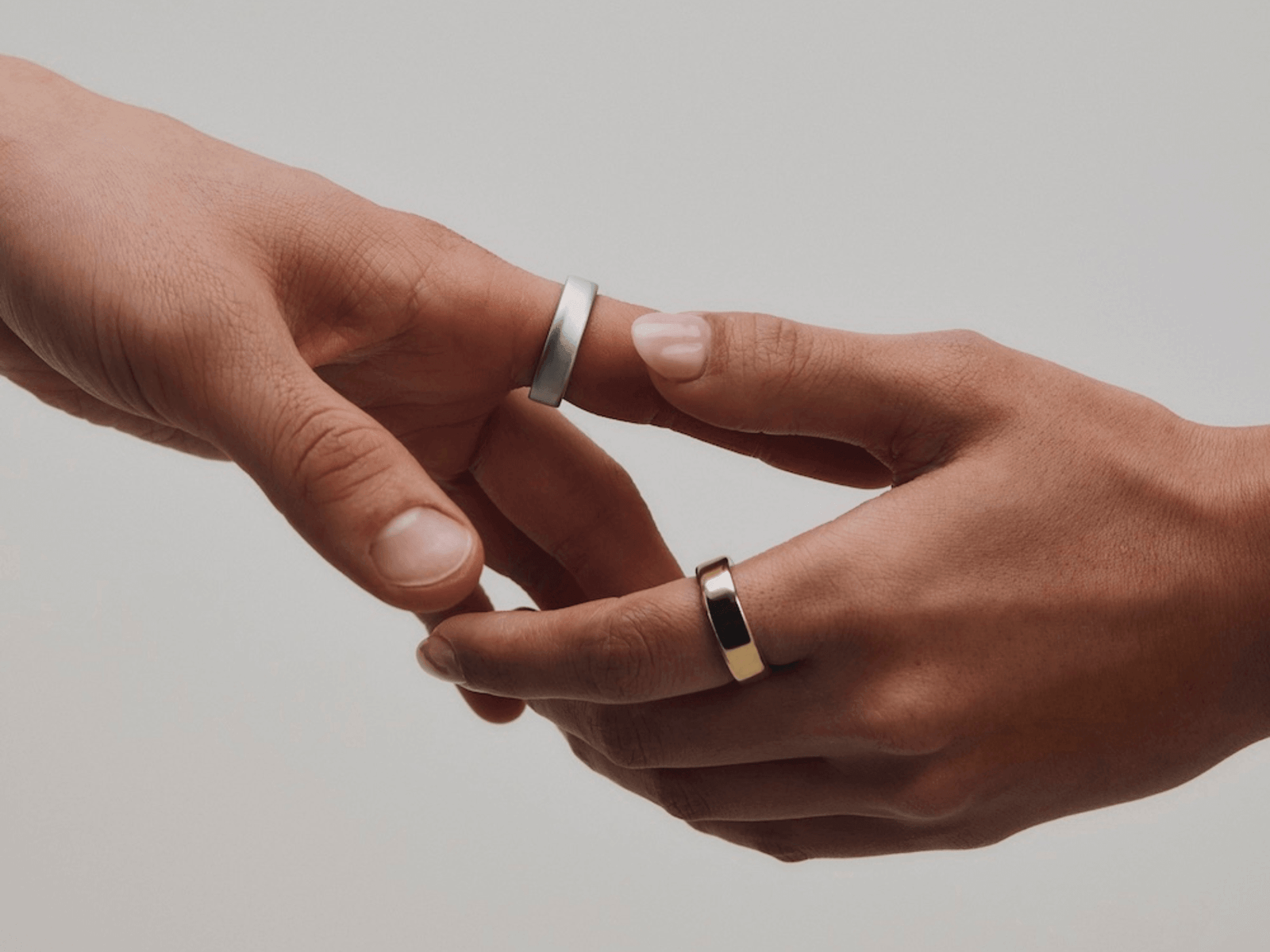
The smart ring isn’t the product anymore. The care is.
That’s how I read Oura’s deal for Counsel Health and it is the closet we’ve seen yet that your wearable may able be data your doctor actually wants to look at. Because that’s what this is. Now one of the biggest is buying the people who can tell you what to do about it, and write you a prescription.
What It Means If You Wear an Oura

Oura just announced it’s buying Counsel Health, a company that offers everyday doctor care through an app.
Here’s how Counsel works. You start by chatting with an AI that can look at your medical records, standard medical guidelines and, if you allow it, your ring data. If you need more, the chat can move to one of Counsel’s board-certified doctors, who can diagnose you, prescribe medication, order lab tests and refer you to a specialist.
You may have already seen it.
Oura first teamed up with Counsel in May, and the service has been available in the Oura app through Oura Labs since June. Counsel’s CEO, Dr. Muthu Alagappan, is reportedly joining Oura as chief clinical AI officer.
Oura says the plan is to cover three kinds of care: catching changes early, handling sudden issues like an illness, and supporting longer-term needs like reproductive health, aging, and heart and metabolic health. Counsel will also keep working with health insurers and employers, and Counsel says those partners won’t need Oura Rings.
The Money
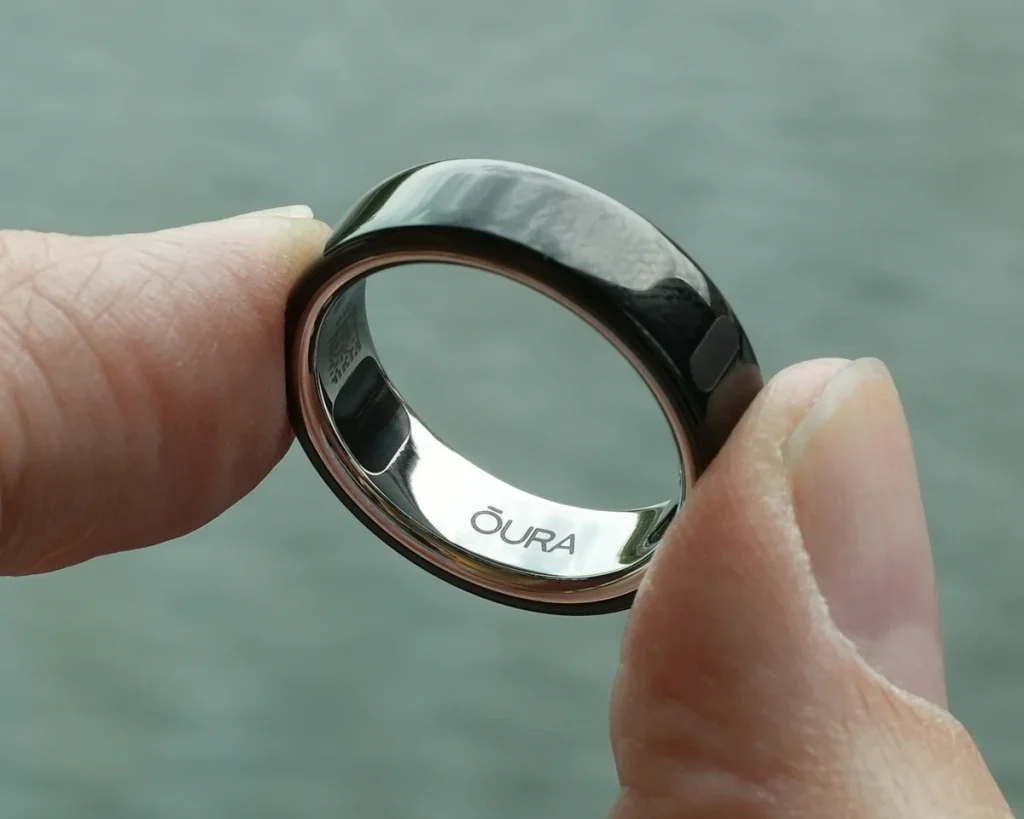
Oura is paying $625 million in cash, meaning money rather than company shares. Oura says it expects the deal to be final by the end of this year.
The timing stands out. A few weeks ago, Oura put its plan to sell shares on the stock market on hold, pointing to a shaky market. It hasn’t picked a new date. I covered that here.
Business is still booming. Oura says sales more than doubled in its latest quarter compared with a year earlier, and it now has more than six million members. Those are early numbers that could still change once the books are finalized.
Oura’s executive chairman, David Shuman, said that growth and membership gave the company the confidence to make this buy. Oura didn’t need the stock market to make a big move. It’s paying with its own money.
A Ring That Gives Medical Advice
This is where I slow down and say, wait a minute.
Oura’s own press release still says the Oura Ring “is not a medical device and is not intended to diagnose, treat, cure, monitor, or prevent medical conditions or illnesses.” Now the app around it is adding licensed doctors who can do exactly that. The ring is going from a wellness gadget to evidence in a medical conversation. Huh?
Oura says members stay in control. Counsel doctors can see your Oura data and past chats only with your permission, and Oura says more than half of Counsel users in Oura Labs have chosen to share.
Accuracy matters more now, too. Oura is already facing a proposed class-action lawsuit over its sleep-tracking accuracy claims, which Oura has disputed. I broke that down here. A shaky sleep score is annoying when it’s driving your training plan but it matters way more when a doctor is actually trying to read it.
To be fair, Counsel says it keeps “physicians in the loop for clinical decisions.” Oura says more than 90% of surveyed members using Counsel said their Oura data helped them get better care. Again, their data.
The Pressure on WHOOP, Garmin and Ultrahuman
Oura isn’t the only wearable moving toward medicine. What sets this deal apart is that Oura is buying a doctor-led care company outright.
WHOOP has been building through blood work. Its Advanced Labs service offers blood tests through Quest Diagnostics, with results reviewed by a clinician. In August, WHOOP opened Advanced Labs to people without a WHOOP membership and added GRAIL’s Galleri test, which screens for signs of many types of cancer. I covered both its blood-test push and the no-membership move. WHOOP MG also has an FDA-cleared ECG, a heart-rhythm reading that checks for signs of atrial fibrillation (AFib), a type of irregular heartbeat.
Garmin has an FDA-cleared ECG app on select watches that takes a 30-second reading and checks for signs of AFib.
Ultrahuman sells Blood Vision, a blood-testing service that ties your blood markers to your ring data, and its Jade AI connects ring, blood and glucose data.
The difference is the doctor. Blood tests, ECGs and AI summaries give you information but Oura is buying the ability to act on it, with prescriptions and referrals, inside the same app.
My Thoughts
I’ll admit my first reaction was and is skepticism. Spending $625 million in cash a few weeks after hitting pause on the stock market is a bold move and is a little confusing.
The more I looked, the more it made sense. Oura already had the partnership running, the members and the data. Owning the doctor side makes Oura harder to walk away from, and it gives the company a way to make money beyond selling rings.
I still have questions like how much will care cost members? How will the data be handled? And will a ring that isn’t a medical device start to feel like one? Oura hasn’t answered all of that yet.
For athletes, I’d treat this as a useful tool, not a coach and not a replacement for your own doctor. Wearables want to be the doctor but it still isn’t even close.
Your tracker can flag that something changed. You, and the people who know your health, still have to decide what it means.
Leave a Reply
You must be logged in to post a comment.