

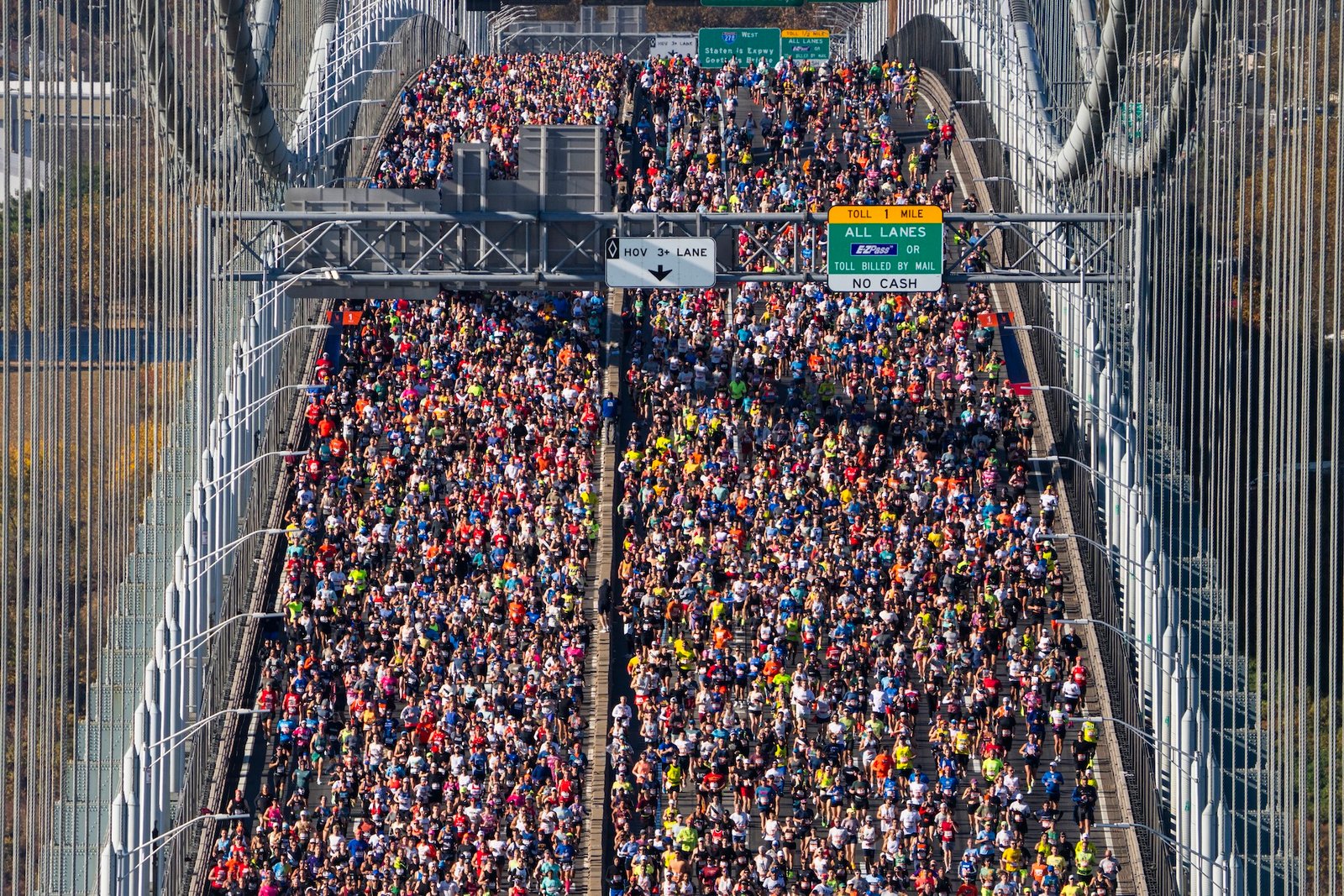
This is not exactly the kind of post I love to do around here, but it is too important not to discuss. Especially as I hear about more rhabdo cases happening.
Sunday was supposed to be a victory lap for Rachel Apa. The 24-year-old from Lewisberry, Pennsylvania, a former Division I field hockey player at Bucknell, was running her first marathon in New York to raise money for Parkinson’s research in honor of her late grandfather.
Then she collapsed in Central Park near mile 24, about two miles from the finish, and later died. Her family says the cause was rhabdomyolysis. And of course, this is a terrible tragedy for someone so young and who had her heart in the right places, our hearts are with Rachel’s family, her friends, and everyone who loved her.
Since then, a lot of runners have been quietly Googling the same thing: what is rhabdo, and could it happen to me? We think that’s exactly the right question to ask and this isn’t a post to scare anyone off the start line, but because knowing the warning signs is part of being a smart endurance athlete, right alongside knowing your fueling plan.
What is Rhabdomyolysis?
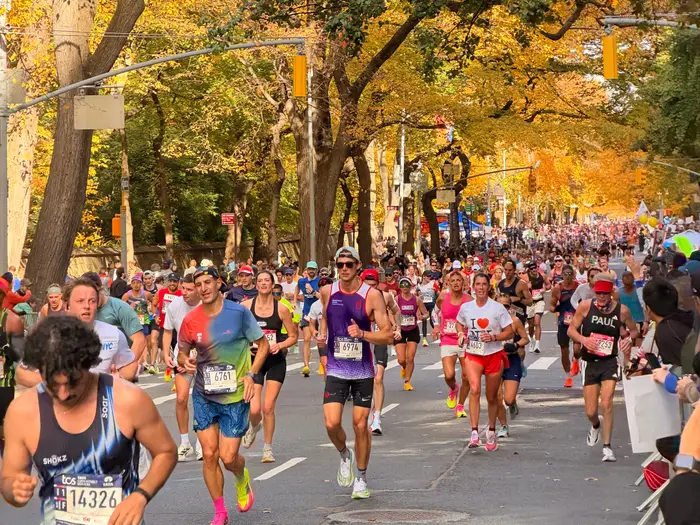
Rhabdo is what happens when skeletal muscle breaks down faster than your body can deal with it. Damaged muscle cells burst and spill their contents into your bloodstream, including a protein called myoglobin, potassium, and an enzyme called creatine kinase (CK).
Your kidneys like always are the cleanup crew, and a flood like that can overwhelm them and lead to acute kidney injury. Big swings in electrolytes (potassium in particular) can also throw off your heart rhythm. That combination is why if doctors suspect you have it will treat it as a medical emergency, not a walk it off situation. It’s really f*cking serious.
Here’s the important nuance: every one of us damages muscle during a marathon, and CK runs high after 26.2 for just about everybody. Rhabdo is that same process pushed past the line, and nobody can say exactly why one runner crosses it while another, running the same race on the same day, doesn’t. It’s one of those things, sadly.
But it’s probably a combination of things like genetics, heat, hydration, and how prepared your muscles were. It all seems to play a part.
Like we said, it’s uncommon, but doctors say they’ve been seeing more of it in endurance runners in recent years. A study of the 2022 New York City Marathon, the hottest on record, found 24 runners treated for post-marathon rhabdo at two NYC hospitals, compared with roughly 15 across five other marathons combined. The cases tracked closely with the race-day heat index and often times the number is higher too but researchers also believe exertional rhabdo is underdiagnosed.
And no, it isn’t just a rookie or out-of-shape problem. Anyone can get it, regardless of age or athletic background. If anything, it tends to catch recreational athletes who push hard, which is most of us.
The Warning Signs
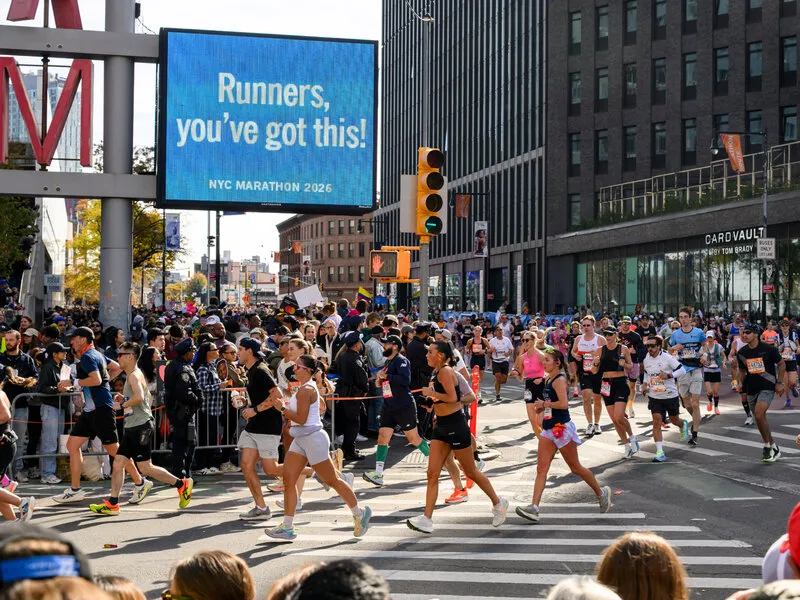
The classic trio is muscle pain, weakness, and dark urine. But the muscle pain isn’t normal post-race soreness. Think swollen, tight, achy muscles that hurt far more than you’d expect, or if you just feel flat-out wrong.
The dark urine is tell-tale and it may look like the color of tea or even Coca-Cola. Just a giant big red flag, especially if you’re also peeing much less than usual. Add in unusual fatigue, nausea, or confusion, and you should get help immediately.
Timing matters too. Symptoms can show up during the race, but they can also build over the hours and days afterward. Most of the NYC cases in that 2022 study showed up at the hospital on race day, and all within two days. So keep paying attention long after.
How to Lower your Odds
Ultimately, from professionals to everyday athletes, there’s no way to get your risk to zero, and Rachel probably did everything she thought was right with her fueling and prep. We don’t know her full story, and neither does anyone else yet. But sports medicine folks agree on a handful of habits that help.
Build Properly. Rhabdo loves a big, sudden jump in load, especially unfamiliar or high-intensity work your muscles haven’t adapted to. Progress your mileage gradually, no more than 10% a week and include long runs and some race-specific work. But be careful about suddenly stacking hard efforts, don’t panic train in the days leading up to race day.
Respect the Heat. Heat and humidity were the common thread in the NYC data. If you haven’t trained in warm conditions, give yourself time to acclimate, and on a hot or humid race day, be willing to ditch the goal time and run by effort even if it means no PR. A slower finish beats long term health risks.
Hydrate, Hydrate, Hydrate. I’m not talking on race day. You need to be hydrating 1-2 days before. Showing up well hydrated and drinking to thirst, with electrolytes in the mix for longer or hotter efforts, is the move. Don’t force down huge volumes either, because overdrinking creates its own problems. Afterward, keep rehydrating and notice what your urine looks like.
Go Easy on Supplements. Stimulants and mega-dose pre-workouts add stress to a body that’s already working hard. If you use them, they should be add-ons, not all the times. Also, anti-inflammatories like ibuprofen can especially stress your kidneys when you’re dehydrated, so chat with your doctor or a coach about whether to take them on race day. Same goes for medications like statins that can affect muscle.
Don’t Race Sick. If you come down with a fever, a stomach bug, or just feeling run down, again, this means it is a bad day to chase a PR. Skipping a race stings, but it’s a fixable problem. Doing the race slow works, but know what your body is telling you.
Know your History. If you’ve had rhabdo or serious heat illness before, or it runs in your family, tell your doctor before you pay a lot of money for longer distance races. The same goes for things like sickle cell trait, which is worth knowing about if you don’t already. A quick check-in with a physician before a major event is never wasted.
If You Feel Off
On the course, listen to your body. Muscles that seize up, a weird level of weakness, confusion, or feeling unwell in a way that’s different from “this is hard” are all good reasons to stop and flag a medic.
A DNF is not a failure but a decision you learn from and you’ll get to make again at the next race.
After the finish, if you notice dark urine, severe or worsening muscle pain or swelling, weakness, or you’re barely peeing, don’t wait it out until tomorrow. Get to an ER and tell them you just ran a marathon (or an ultra, or whatever you did). Ask about checking CK and kidney function. Rhabdo caught early is very treatable, and the whole game is getting seen before the kidneys and electrolytes get into trouble.
Run smart. Always Look out for Each Other
Rachel was out there doing something good, running for her grandfather and for a cause bigger than a finish time. Her fundraiser has since blown well past its goal, which says a lot about the person she was and the story just really sucks all around.
The best thing the rest of us can do is learn from this, take care of ourselves, and keep an eye on the runners around us. Not everyone even knows about rhabdomyolysis, so bring it up in your circles and f you see someone who looks like something is wrong during a race, say something.
Leave a Reply
You must be logged in to post a comment.