

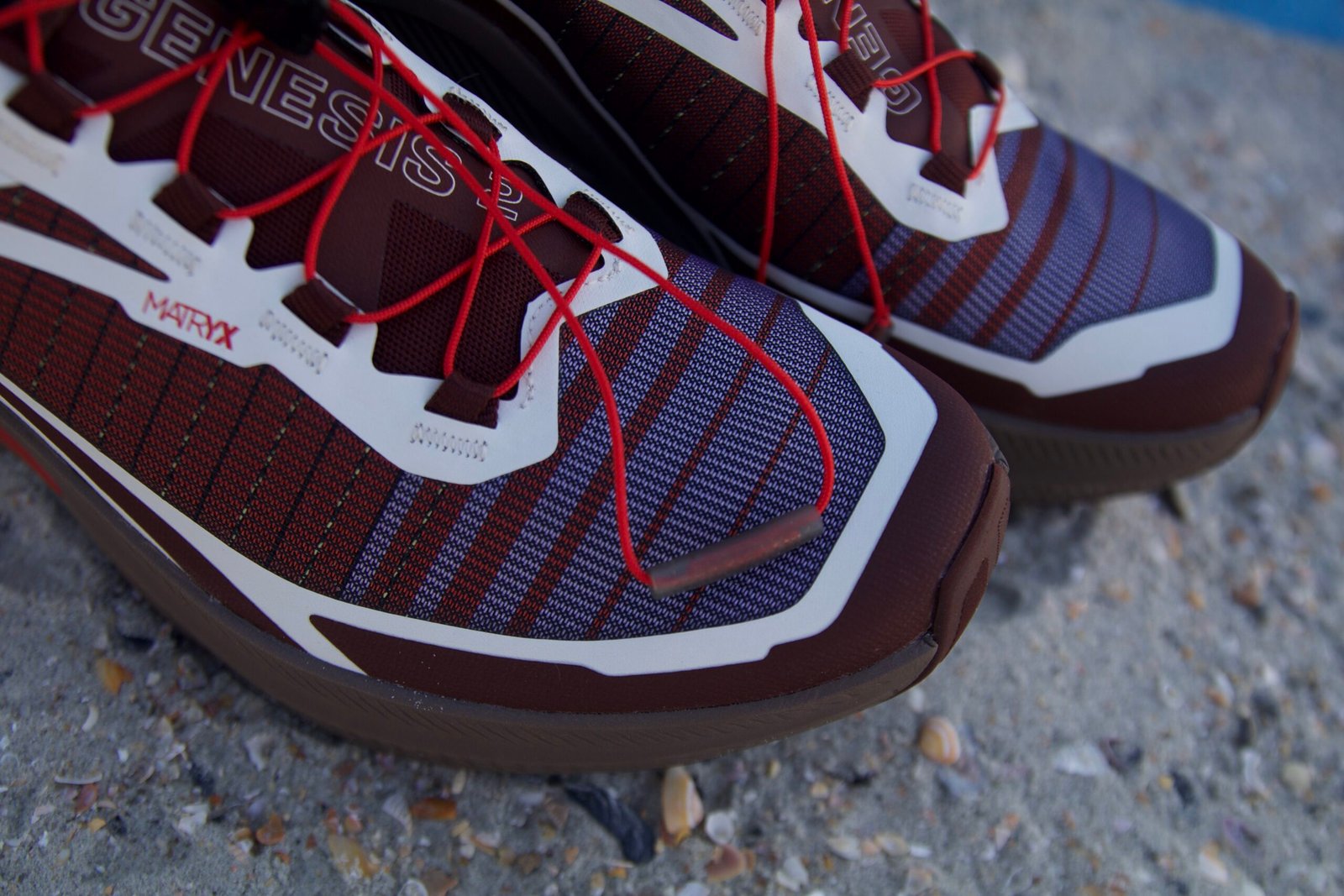
Salomon just dropped the second generation of two of its most trusted trail shoes, the Genesis 2 and the S/Lab Genesis 2. Coming in at $150 and $200, respectively.
The original Genesis earned its reputation by being a do it all pick for runners who needed one trail shoe to handle everything thrown at it. Think rocky climbs in the mountains, loose gravel in Texas, and long runs on the weekend.
The S/Lab version took that further and for $50 more, was built with insight from Salomon’s ultra roster, including Courtney Dauwalter. It was built for the athletes who live in technical terrain for hours at a time.
Neither version of the new Genesis 2 reinvent the wheel but instead refines them with new cushioning, a reworked chassis, and an upper that’s built for stability and the abuse trail running throws at it.
What Changed
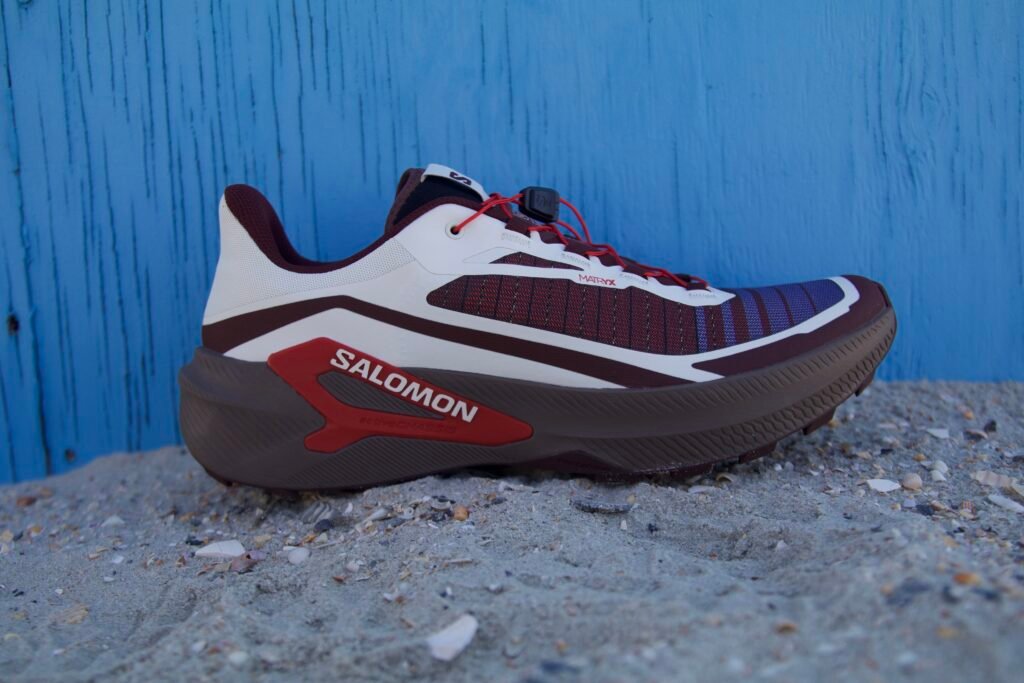
The headline update is in the midsole.
Both shoes get an updated dual-density optiFOAM² setup, and the S/Lab Genesis 2 adds more of it in the forefoot for a livelier, more dynamic ride than the original.
Salomon’s pitch is better rebound without losing the stability the Genesis line built its name on foam that compresses fast on impact and springs back just as fast, so you’re not fighting your shoe on hour six of a long effort.
Underneath that is a fully reengineered activeCHASSIS™, which is doing the job of keeping your foot aligned when the trail isn’t steep pitches, off-camber sections, and loose rock without turning the shoe stiff or clunky.
The upper is new too with a Matryx® Micro construction woven from individually coated Kevlar® and technical fibers. What that even means, or at least how we translate that is that this thing is built to take a beating from rocks and roots and keep going, without piling on weight or losing breathability.
The Profeel Film sits underneath for underfoot protection from sharp terrain while still letting you feel the ground.
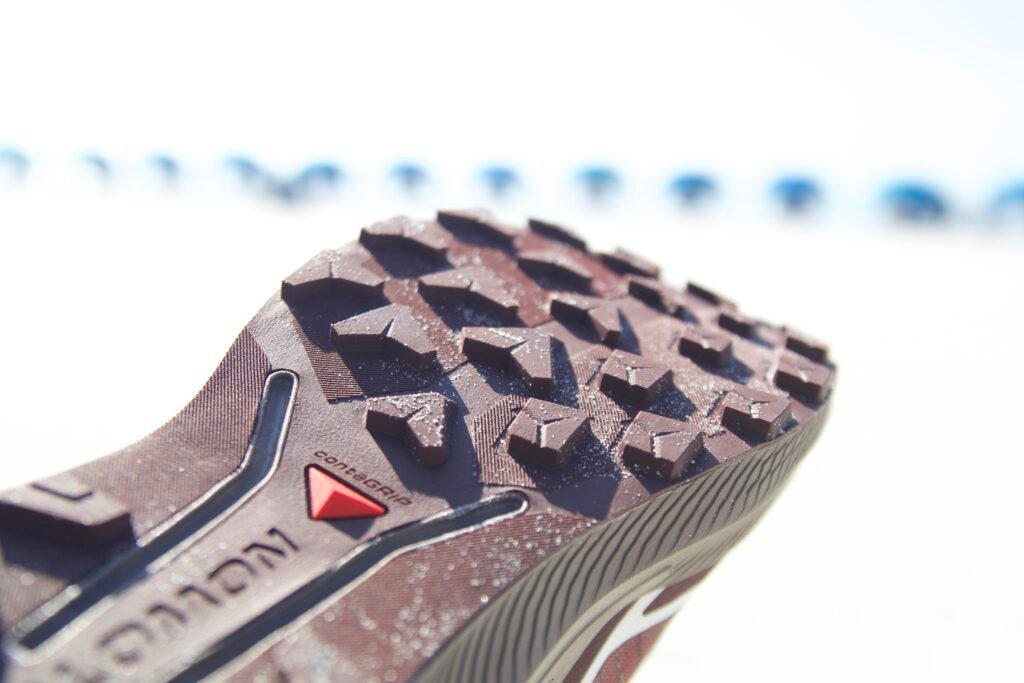
Outsole-wise, the All-Terrain contaGRIP® gets 4.5mm lugs and reworked lug geometry aimed at wet rock, loose gravel, steep climbs, and descents where things can get sketchy fast.
Quick specs:
- Weight: (m) 10 oz / (w) 9 oz
- Drop: 8mm
- Stack height: 33.5mm / 25.5mm
- Lug depth: 4 mm
Our First Impressions
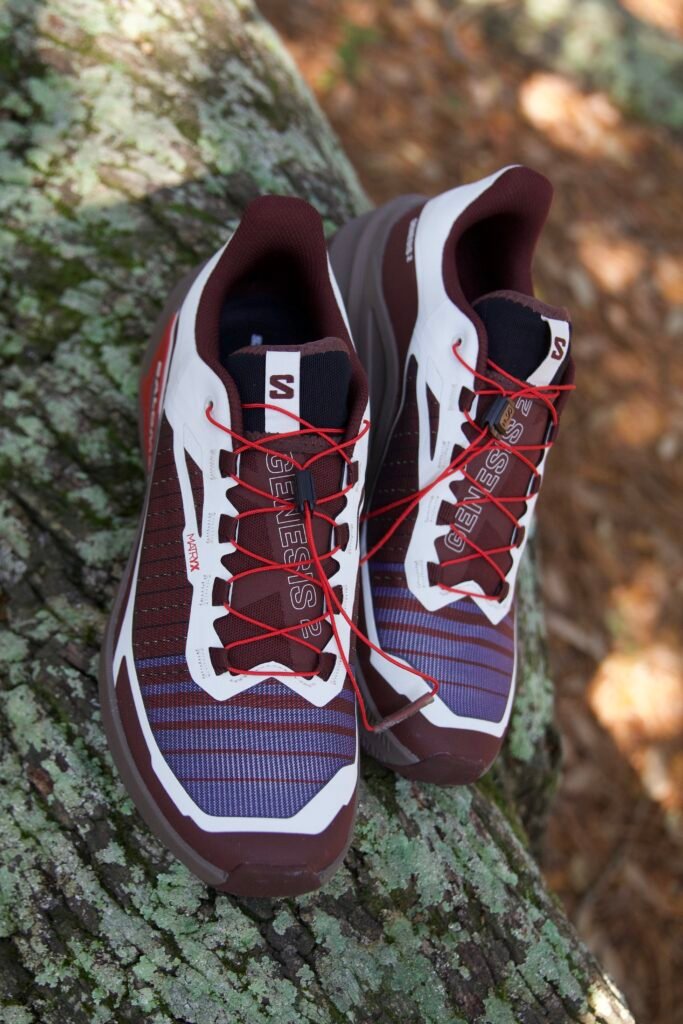
We’ve had the Genesis 2 on our feet for the last 10 days, and here’s where we land so far.
They’re sturdy without feeling like you’re hauling extra shoe around. At 280 grams, they’re not chasing the ultralight crowd like the Adidas Terrex Agravic Speed Ultra comes in at 265 grams; but the small weight difference hasn’t been something we’ve noticed on the trail. Salomon spent real time dialing this in, and it shows.
The grip and stability are legitimately excellent. We haven’t rolled or even started to roll an ankle in these, and that’s huge for any trail runner but especially for me given my injury history. The sidewalls are present and doing their job. We’ve had shoes before with sidewalls that felt closer to a road shoe than a trail shoe, and in hindsight, that played a role in an ankle break on the trail.
The Genesis 2 locks you in comfortably, but not aggressively, like sinking into a recliner rather than sitting on something beautiful but uncomfortable.
The Quicklace system is the one thing we’d tweak. In theory, Quicklace should mean one less thing to think about on the trail. In practice, on longer runs with a lot of switchback terrain, we noticed them loosening up over time. Traditional laces or Quicklace, we still found ourselves stopping to retighten. Not a dealbreaker and honestly, any excuse to catch our breath on a climb is a win in our book — but worth knowing going in.
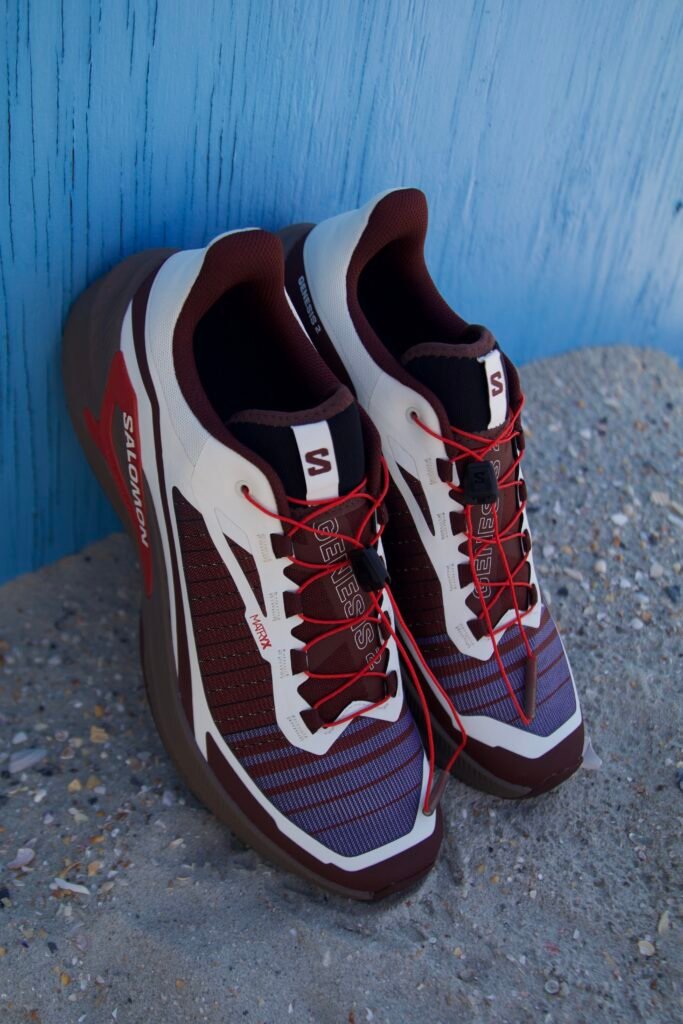
Foot feel after long days out has been genuinely good. We judge comfort on a scale from pillow to “oh damn, my feet hurt,” and after 10 days of running in these, including sessions that would normally leave our feet wrecked by the next morning — we’re waking up able to walk to the coffee maker like normal humans. Glorious.
Full review coming once we’ve logged more miles and pushed these into rougher terrain, but the early verdict is Salomon refined a shoe that didn’t need much fixing, and made it better anyway. It feels like a great trainer but not overly speedy. But sometimes, that’s enough.
Leave a Reply
You must be logged in to post a comment.