

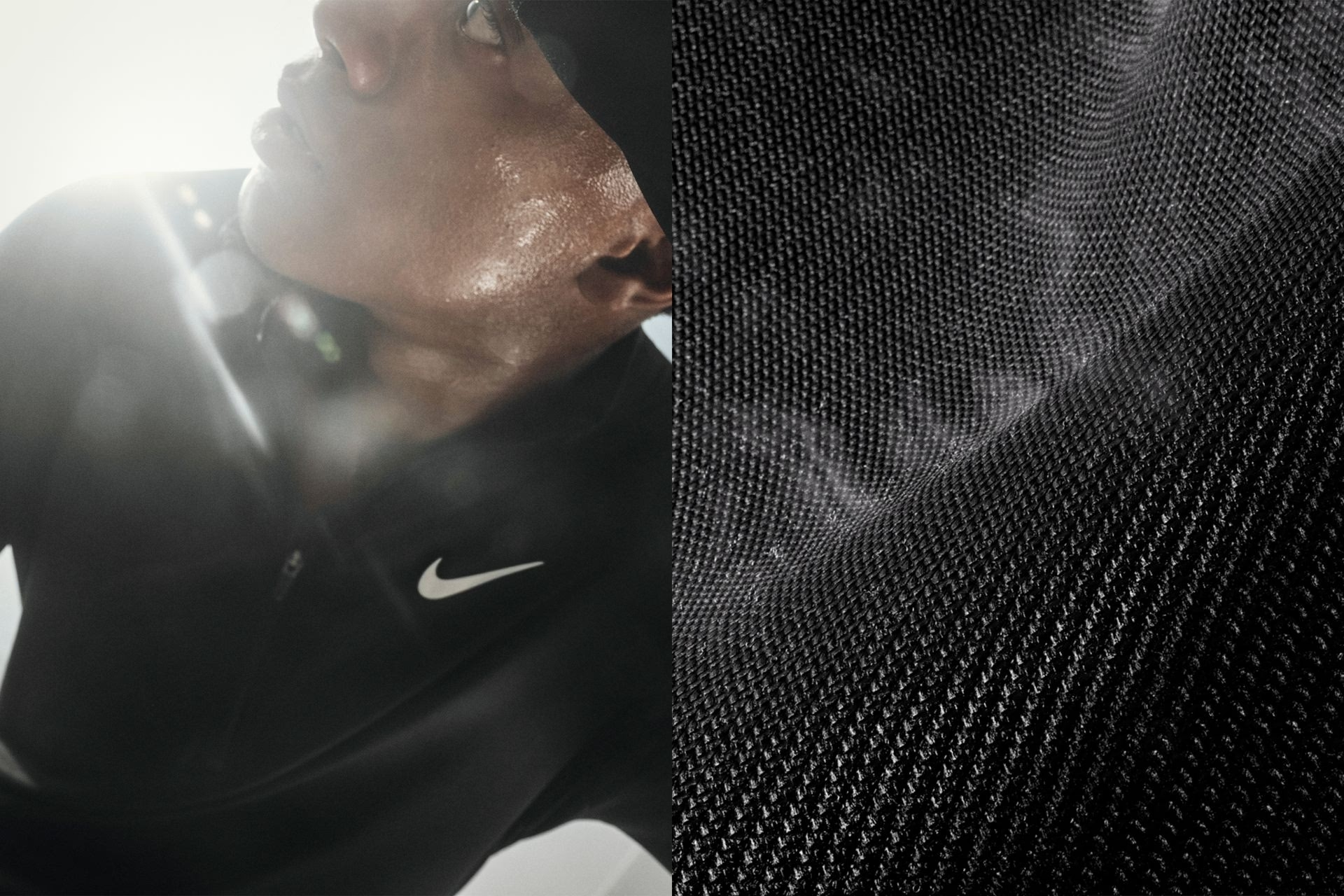
I’ve stood in many Nike stores holding two nearly identical black running tops, one tagged Dri-FIT and one tagged something-else-FIT, and had no idea which one I needed. If that’s you too, you’re not the problem. Nike has been stacking fabric names on hangtags for more than three decades, and until this week the brand never laid them out side by side in a way an everyday athlete could use.
Finally. Nike published a short explainer breaking its FIT system into four jobs: stay dry, stay cool, stay warm, stay protected. My take is that this is the most useful piece of education Nike has said about its apparel in a long time, mostly because it admits what these labels really are. They’re not four levels of “better.” They’re four different tools, and buying the wrong one is how you end up shivering at mile two or cooking in a jacket you didn’t need.
Here’s how I’d read each label, and how I’d actually use them.
First, What “FIT” Even Is
FIT stands for Functional Innovative Technologies, and Nike first introduced it in 1991. Think of it as the umbrella over Nike’s performance apparel, with four technologies underneath. Nike says the system was built through athlete testing and sport science work at its Sport Research Lab.
That’s the brand’s framing. Mine is simpler: every FIT label is telling you which problem the garment is designed to solve. Once you know the problem, the choice gets easy.
Dri-FIT: The Sweat Manager
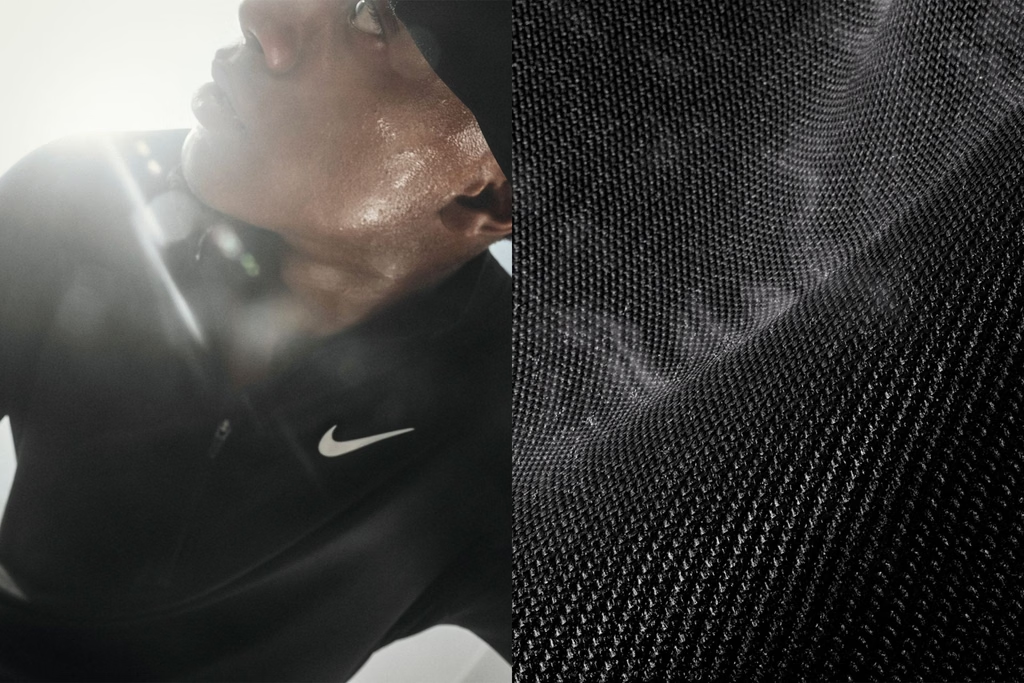
Dri-FIT is the one you already own, probably a drawer full of it. Its job is to keep you dry. The fabric pulls sweat off your skin and spreads it across the surface of the material so it evaporates faster. Nike says it also maps garments to the high-sweat zones for a given sport, so a running top and a training tee aren’t necessarily built the same way.
Nike positions Dri-FIT as the default for everything from short runs and treadmill sessions to speed work and long efforts, and honestly, that tracks. This is your everyday layer. If you’re going out in mild conditions and the only thing you’re fighting is your own sweat, Dri-FIT is the answer.
What I’d keep in mind: “moves sweat” is not the same as “keeps you cool” or “keeps you warm.” Dri-FIT is about moisture, full stop. It’s the baseline, not the solution to extreme heat or cold.
Aero-FIT: The Hot-Day Specialist
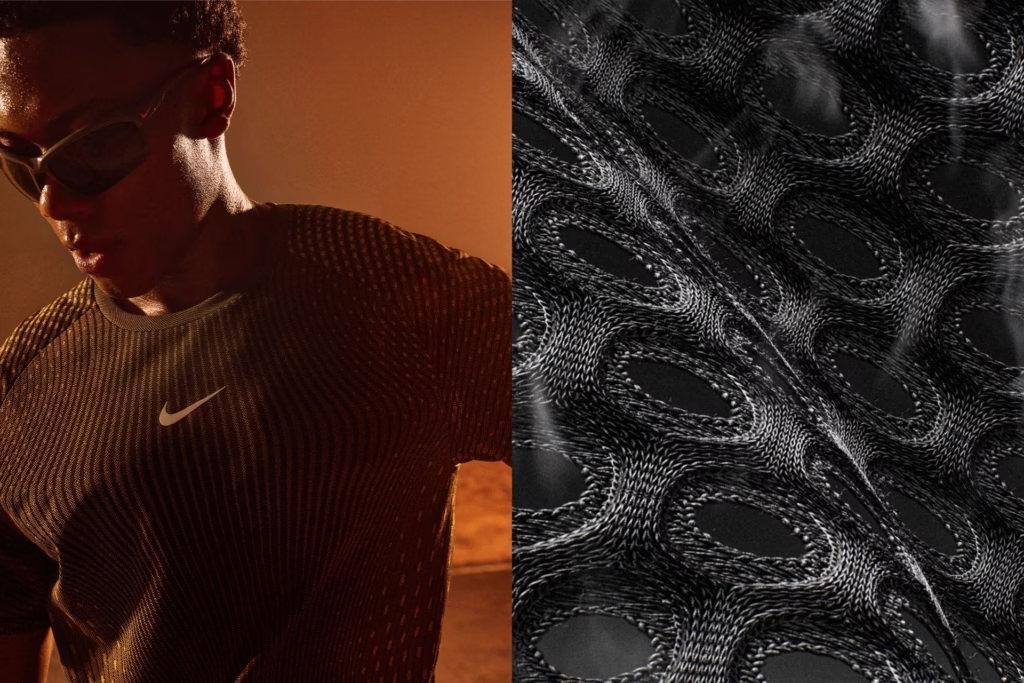
Aero-FIT is the newest name in the lineup for a lot of people, and it’s the one most likely to get mixed up with Dri-FIT. The difference is airflow. Aero-FIT uses mesh zones placed at the body’s hottest spots to open channels for air to move through the garment and near your skin. More air means sweat evaporates faster, which supports the way your body naturally cools itself.
Nike says it placed that mesh using heat mapping, motion data from athlete wear-testing in its lab, and computational design. It also says the fabric is made from recycled textile waste.
Here’s how I’d split the two. Dri-FIT handles sweat. Aero-FIT handles sweat plus heat. If it’s a humid summer long run, a hot race, or a session so hard you’d overheat in a walk-in freezer (hello, HYROX sled pushes), Aero-FIT is the one built for that. On a cool morning easy run, it’s overkill, and you’re probably fine in plain Dri-FIT.
Where I’m skeptical: Nike hasn’t published numbers on how much cooler Aero-FIT actually keeps you compared to Dri-FIT.
“Feels cooler” is not a great thing given everyone has different definition of what “feels cooler” means, but I’d treat it as a comfort upgrade, not something that changes how your body handles heat. Hydration and pacing still matter way more than your shirt.
Therma-FIT: The Cold-Weather Insulator
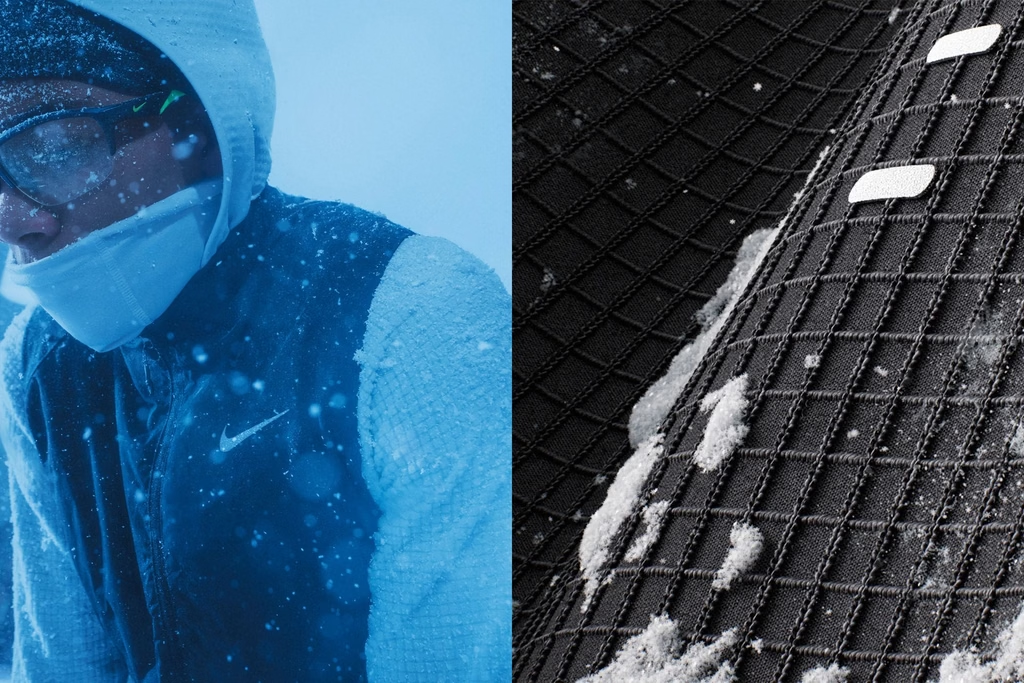
Therma-FIT is about warmth. Nike says it uses insulating materials and tailored design to hold heat in, while still letting excess heat and moisture escape. The key line in Nike’s explainer is that it’s built to keep you warm without relying on bulk alone. That’s the whole problem with cold-weather training: you need warmth at the start and breathability once you’re 20 minutes in and working hard.
Nike tested Therma-FIT with athletes moving inside climate chambers at its Sport Research Lab, and it comes in base layers, midlayers and jackets. The idea is that you combine them into a system for the activity and the weather.
That system idea is the part I’d actually act on. Don’t buy one heavy Therma-FIT piece and hope it covers every cold day. Layer. A Therma-FIT base or midlayer under a shell covers a lot more days than one thick jacket does, and you can peel a layer off when you warm up.
Storm-FIT: The Wind and Rain Shield
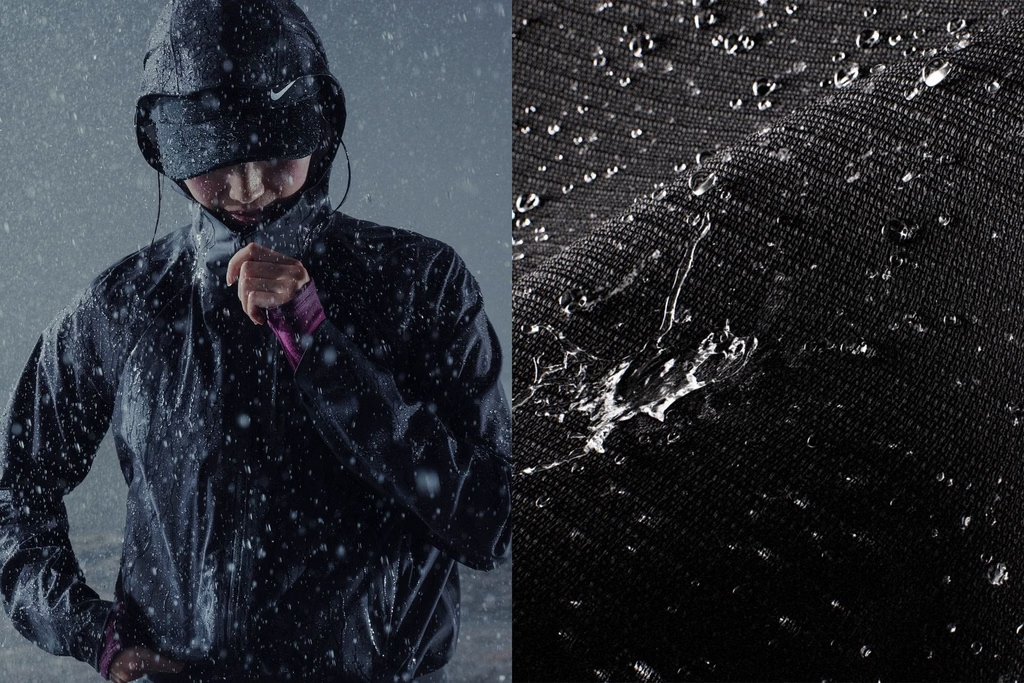
Storm-FIT is protection from the elements. Nike says it uses woven barriers, coatings and laminated constructions to block wind and water while still letting heat and moisture out.
This is the label where you need to read the fine print. Nike says every Storm-FIT garment is windproof, but the water protection ranges from water-resistant all the way to waterproof. Those are not the same thing. Water-resistant will handle a drizzle or a short shower. Waterproof is what you want for a long run or ride in steady rain. Nike says each product is tuned to balance protection, breathability and freedom of movement, which is a polite way of saying there’s a trade-off. The more a jacket keeps water out, the harder it typically is for it to let your sweat out.
Before you buy a Storm-FIT piece, check the product page or hangtag for which end of that range it sits on.
Which FIT Should You Wear?
Here’s the cheat sheet I’d use. Treat it as a starting point, because everyone runs hot or cold differently.
Mild weather, regular training, treadmill or indoor work: Dri-FIT. It’s the everyday default and you probably already own enough of it.
Hot, Humid, or a Brutally Hard Effort. Aero-FIT. Summer long runs, hot races, HYROX and other indoor sessions where you overheat fast.
Cold and Dry. Therma-FIT, layered. Base or midlayer for moderate cold, add more layers as the temperature drops, and plan to shed one once you warm up.
Windy or Wet. Storm-FIT on the outside. Check whether it’s water-resistant or waterproof and match it to how long you’ll be out and how hard it’s raining.
Cold, Windy and Wet. Stack them. Dri-FIT or Therma-FIT underneath for moisture and warmth, Storm-FIT on top for wind and rain. This is exactly the scenario Nike describes when it points out that conditions can change within the same mile, and it’s where the system approach actually pays off.
Our Thoughts
Nike’s explainer is useful because it reframes FIT as a toolkit instead of a hype ladder. That’s the right way to shop. You don’t need the newest label, you need the right one for the conditions you train in most.
What the explainer doesn’t do is give you hard numbers. There are no published test results, no comparison data, and no mention of variants like Dri-FIT ADV or Therma-FIT ADV that you’ll see on shelves. So take the claims for what they are: a clear description of what each fabric is designed to do, not proof of how much better it performs.
Leave a Reply
You must be logged in to post a comment.