

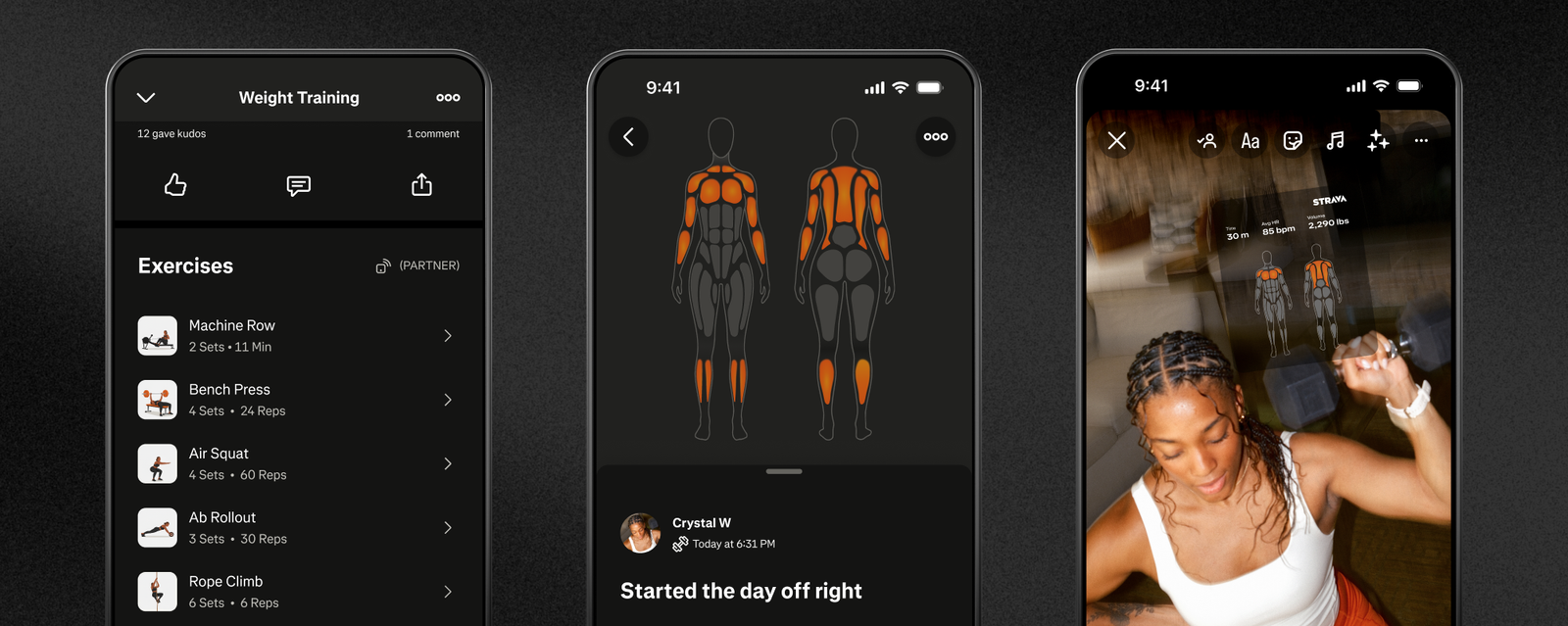
If you’ve been manually logging your lifts on Strava, you know how much it sucks. Inputting each session feels painfully outdated and is a constant reminded each time you edit and type in sets, reps, and weight like it’s 1999. For a platform built on tracking every pedal stroke and split second, strength training always felt like the awkward guest at the party who shows up and never talks.
Not anymore.
Strava just announced a full overhaul of its strength activity experience, and this is far more than a minor update.
We’re talking 14 partner integrations, a dedicated workout log, auto-populated muscle maps, and five new strength-specific shareables.
Why Now?
The data made the decision obvious.
Strength has become one of the fastest-growing sport types on Strava, with more than 500 million strength activities logged on the platform in 2025 alone.
The community wasn’t waiting for Strava to catch up. Athletes found workarounds, relied on third-party apps, and manually bridged the gap themselves. As Strava Chief Product Officer Matt Salazar put it: “Our community has been clear about what they need from us.”
The motivation behind the growth isn’t surprising. Strength training has become foundational for injury prevention, longevity, durability, and performance. Endurance athletes who once ignored the weight room are now consistently lifting — and logging it.
The Partner Ecosystem Is Legit
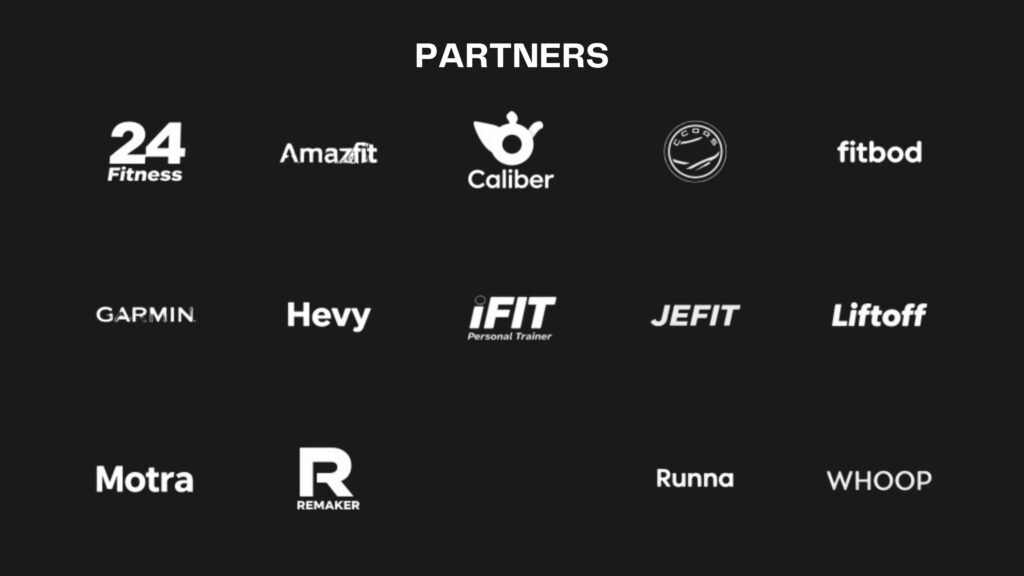
Fourteen integrations at launch is a strong opening move.
The list spans gym-based apps, wearables, and coach-led platforms, and includes many of the major players.
Amazfit, COROS, Garmin, and WHOOP handle the wearable side, meaning strength sessions can now flow directly into Strava from the devices athletes already wear daily.
On the app side, Fitbod, Hevy, JEFIT, Caliber, Liftoff, and Motra bring dedicated strength tracking deeper into the ecosystem.
Coming this summer, 24 Hour Fitness joins the list as a gym-floor integration, signaling that Strava is thinking beyond the solo endurance athlete and toward the broader fitness market.
Runna rounds out the launch partners, which makes sense given Strava’s acquisition of the run-training platform earlier this year.
What’s Actually New
Workout Log: A purpose-built interface for recording sets, reps, and weight in real time. This replaces the clunky manual process most strength-focused Strava users have tolerated for years. Users can now review and repeat workouts over time — a basic feature that somehow never existed natively within Strava.
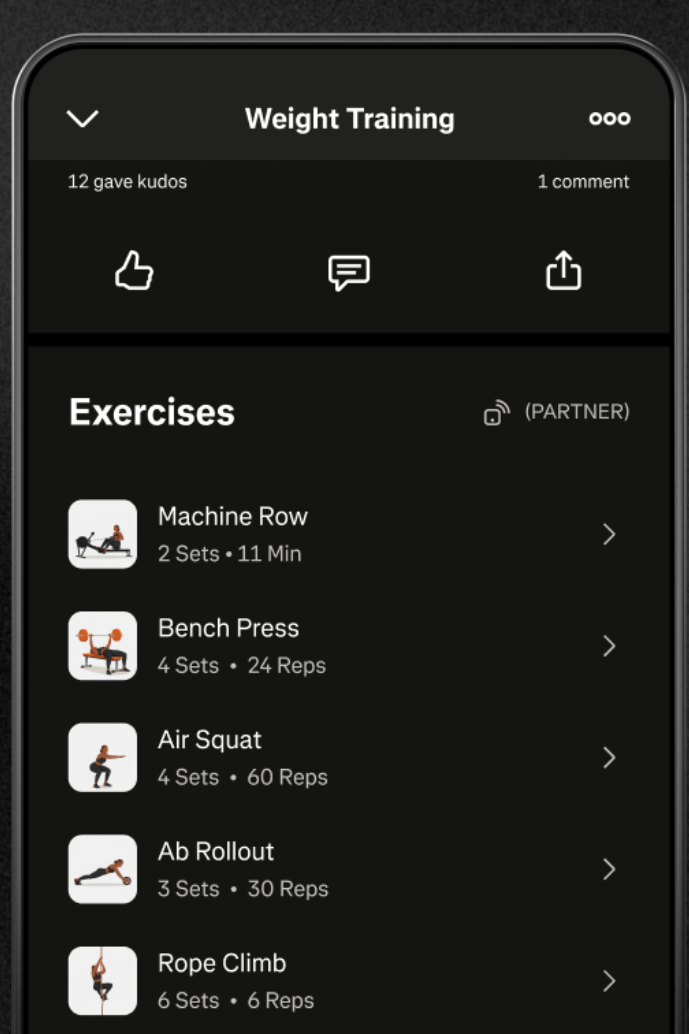
Auto-Populated Muscle Maps: Every logged workout now generates a visual muscle map based on the exercises performed. It’s a clean way to visualize training balance, recovery demands, and muscle-group focus over time.
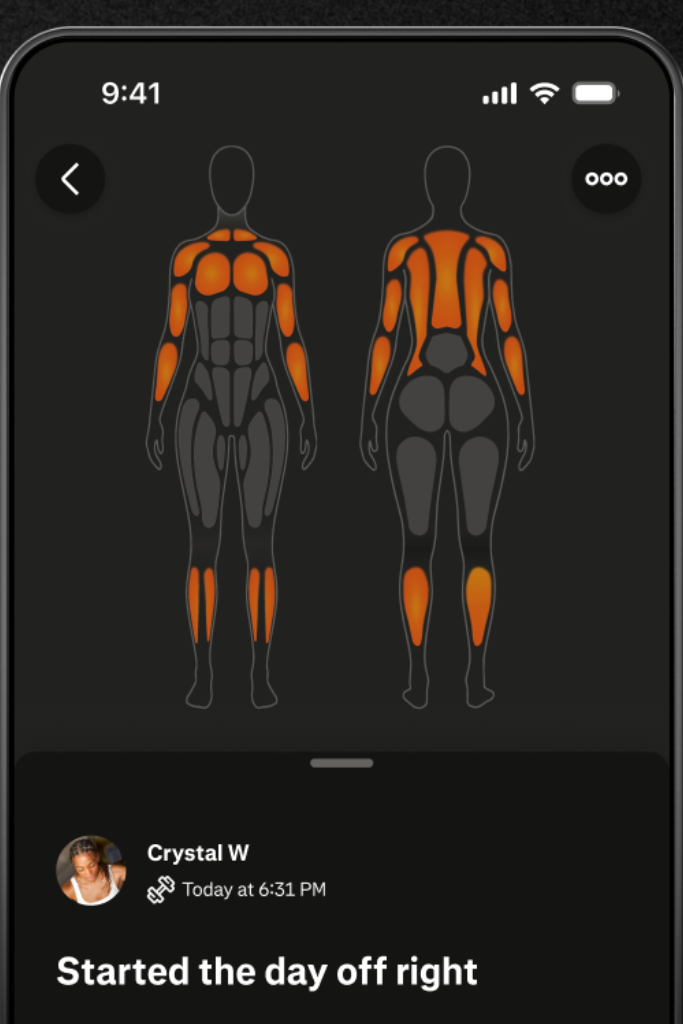
New Shareables: Five new strength-specific sharing formats give athletes something worth posting. The social layer has always been central to how Strava drives accountability and engagement, and extending that into strength training brings gym sessions into the same community loop that fuels runs and rides.
What It Means
The data around strength training is no longer debatable.
For runners, cyclists, and triathletes, strength work isn’t optional anymore. It’s part of the equation.
As we broke down in our deep dive on strength training for endurance athletes, the athletes who consistently lift aren’t just building muscle, they’re building durability. They stay healthier through heavy training blocks, recover more efficiently, and continue performing deeper into races and later into life. For most, just two focused sessions a week is enough to create meaningful gains without sacrificing aerobic fitness.
The problem was never convincing athletes that strength matters. The problem was making it easy enough to become part of the routine. Until now, strength training on Strava was always bolted on. This overhaul changes that and shows Strava is dedicating itself to its own strength regime and becoming part of the modern endurance equation.
Leave a Reply
You must be logged in to post a comment.