


Choosing where to race, train, or travel this summer isn’t just a logistics question, it’s about humidity.
A new analysis by Instant Hydration looked at 75 American cities and ranked where summer heat is the most punishing.
They tracked humidity, temperatures, air conditioning access, tree cover, and how often residents are Googling “how to stop sweating.” The results are interesting and maybe not what you’ think.
Here’s the short version: it’s not the hottest cities that break you, it’s the cities with wettest air.
1. Oakland, California

Oakland is the sweatiest city in America. Summer humidity here reaches 81%, which means the air can barely absorb any more moisture. When you sweat in those conditions, it has nowhere to evaporate, so it pools on your skin instead of cooling you off. Summer temperatures in Oakland average 65 degrees, but the heavy humidity makes it feel much worse than the thermometer suggests. What makes it even harder is that less than half of Oakland homes have air conditioning.
2. San Francisco, California

San Francisco ranks second for the same humidity problems as Oakland. Summer air here holds 77% moisture, which prevents sweat from evaporating off the skin. Over half of homes don’t have air conditioning, either, making staying there during the summer months harder. While temperatures in San Francisco average just 60 degrees, the saturated air still makes those 60 degrees feel sticky. Plus, San Francisco isn’t necessarily known for green spaces, with just 14% of the area covered with vegetation, so there’s barely any natural shade to cool off under when outside.
3. Orlando, Florida

Orlando takes third place even though 99% of homes have air conditioning. The cooling helps indoors, but stepping outside means dealing with 83-degree heat and 70% humidity that triggers nonstop perspiration. That’s why over 1 in 5 people here search online for how to stop sweating during summertime, the highest rate in the country. And while Orlando is much greener than the Bay Area, that’s still not enough to provide real relief from the humid air.
4. Cleveland, Ohio
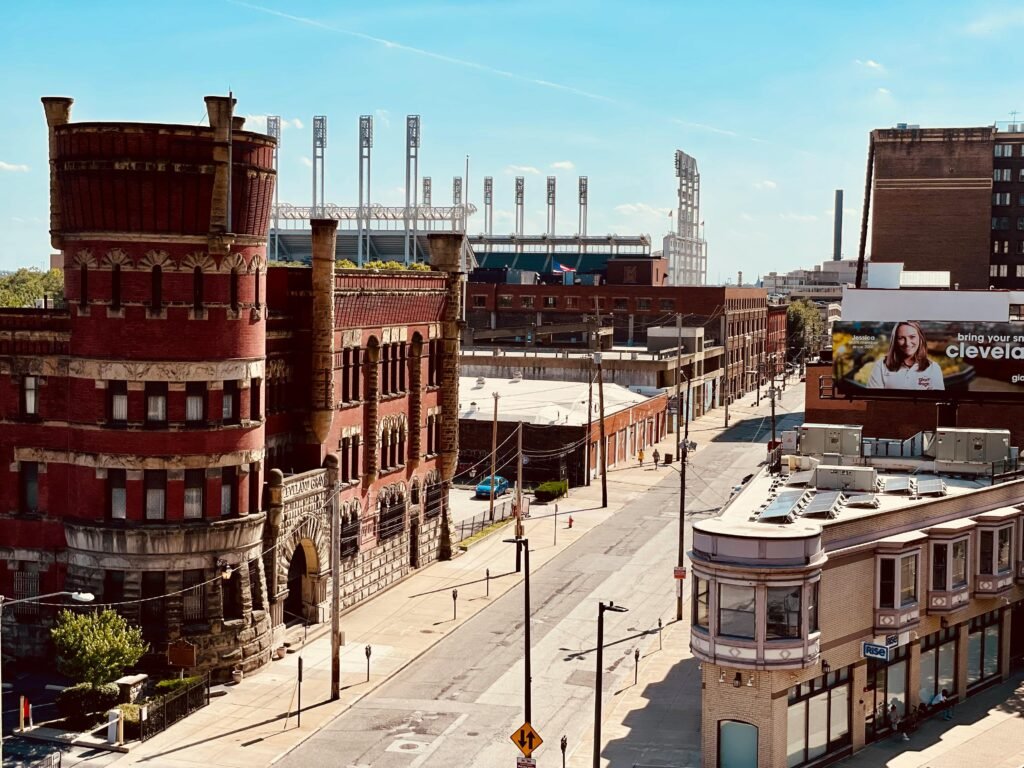
Cleveland is the sweatiest Midwest city. Summer temperatures here average 71 degrees, but the 75% humidity still turns the air thick and uncomfortable. Unlike Californian cities, most of the homes in Cleveland come with cooling systems, which makes it easier to deal with the humidity when staying indoors. Still, summer months here can be too tough for locals, with 1 in 5 searching online for excessive sweating reasons, while many women also have to look for sweat-proof makeup.
5. Honolulu, Hawaii
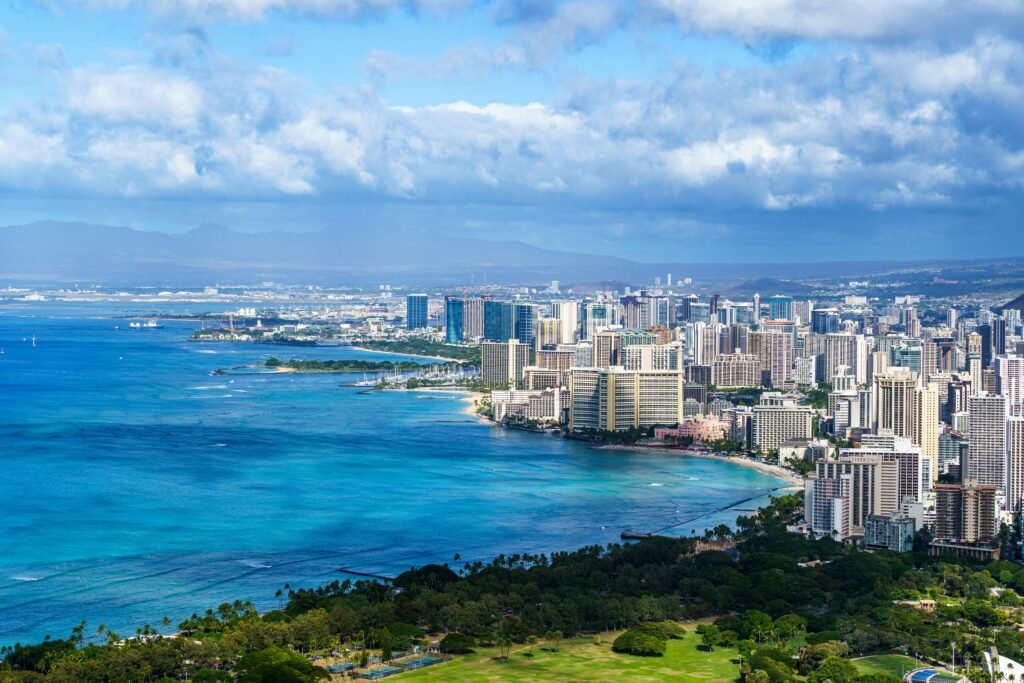
Honolulu rounds out the top five with tropical heat that keeps residents and tourists constantly damp. Temperatures here reach 82 degrees all summer, while71% humidity stops sweat from evaporating. The city does benefit from strong 28 mph winds during hot seasons, which helps dry the moisture better than calm air would. But with only 63% of homes equipped with air conditioning, many here have to deal with this heat without cooling. This explains why over 1 in 10 residents search online for sweat remedies during summer.
6. Miami, FL
7. Seattle, WA
8. New York, NY
9. Cincinnati, OH
10. Baltimore, MD
Here’s What Works
If you’re racing or training hard this summer, knowing the humidity ceiling matters more than checking the forecast temperature.
Oakland ranked #1 sweatiest in America, not because it’s scorching, but because its air sits at 81% humidity on average. Once ambient humidity clears 70%, your sweat has nowhere to go and it pools on your skin instead of evaporating, which means your body’s primary cooling mechanism, you know, the whole point of sweating stops working. At that point, you just keep generating heat with no release valve.
For athletes, it isn’t a comfort issue but a performance and safety one.
Here’s What Sucks
I’d never have thought but The Bay Area is the worst-case scenario in America for a hot, long effort in summer. Oakland and San Francisco both crack the top two, and fewer than half of homes in either city have air conditioning. If you’re traveling for a race like ‘Escape from Alcatraz’ or a training block, you may be sleeping in a 75°F apartment after cooking in 80%+ humidity all day. There’s no recovery there.
Orlando takes third despite near-universal AC coverage, because stepping outside means walking into 83°F temps with 70% humidity. The numbers back up what any runner there already knows: one in five residents searches “how to stop sweating” every summer. Something every Floridian should know without Googling.
The Experience
Sweat that can’t evaporate carries no heat away from the body. You’re running hotter, working harder, and getting less out of every hydration break because you’re losing fluid faster than you’re cooling down. It turns into a disaster.
The Midwest surprised us here. Cleveland, Cincinnati, and Baltimore all land in the top ten?
They’re not exactly tropical destinations or destinations at all, but Cleveland, which has 90%+ AC penetration, helps indoors but getting a quality training session done outside in that city is still going to be a sweaty, uncomfortable grind.
All About Humidity
Humidity is the enemy, not heat. Oakland at 65°F is harder on an athlete than Phoenix at 100°F, because dry heat allows evaporative cooling. Humid air does not.
If you’re planning summer racing or travel training, filter by the humidity column first. The cities at the bottom of this list, with lower humidity and better wind, offer much better conditions for performance even if they’re warm.
Know Before You Go
- The critical threshold: once humidity clears 70%, cooling efficiency drops sharply. Plan race-effort workouts for early morning when humidity is lowest.
- AC coverage gap: Oakland and San Francisco both sit under 46% AC penetration. If you’re traveling to the Bay for summer racing, your recovery environment matters — look for it specifically.
- Wind is underrated: Honolulu’s 28 mph average wind meaningfully offsets its 71% humidity. Look for race courses and training locations with consistent breeze.
- Search volume as a proxy: the sweat-related search data tracks human suffering at scale. Orlando’s 21,728 searches per 100K residents is five times Oakland’s — even though Oakland ranks #1. High AC access in Florida lets people get inside; the Bay Area just bakes without escape.
Verdict
For endurance athletes, summer destination decisions shouldn’t be driven by temperature alone. Humidity is the real variable — and cities like Oakland, San Francisco, Cleveland, and Cincinnati combine it with inadequate cooling infrastructure in ways that make training and recovery genuinely harder. Know the conditions before you book. Pack extra electrolytes regardless.
Leave a Reply
You must be logged in to post a comment.