

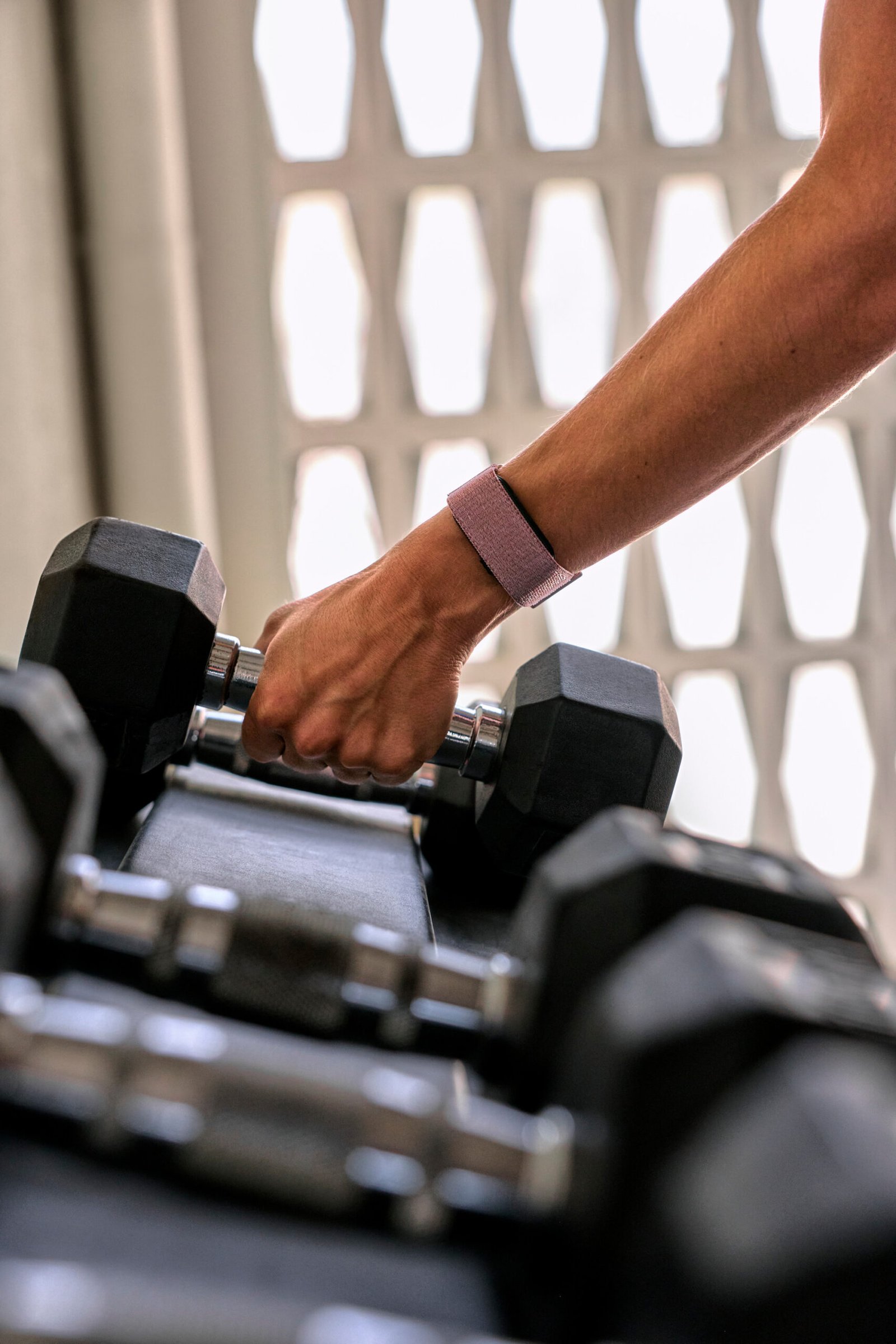
We’ve lost count of how many times this thing has leaked. From trademark filings, product photos, and Reddit users highlighting marketing details, the Cirqa rumor mill has been running hot for the better part of a year, and honestly, most of y’all got it wrong.
And now, Garmin has officially announced the Cirqa Smart Band, its first screen-free wearable, and after this much noise on the day, we’re trying to do something a little different in our coverage.
Instead. What does the Cirqa Smart Band mean for people who train?
Here’s the thing about Garmin sitting this one out for as long as it did: it wasn’t because they couldn’t ship. Garmin closed out 2025 with roughly $7.25 billion in annual revenue, with net income north of $2 billion, and something insane like $4.1 billion sitting in cash. This is a company that could have rushed a screenless band to market the moment Whoop and Fitbit started eating into the conversation, And they didn’t. They let Whoop, and Fitbit Air, go first, watched what athletes loved and hated about each, quietly tested the format themselves with last year’s screenless Index Sleep Monitor, and then showed up with a fully-loaded product instead of a rushed one. It may be the single greatest way to pressure test what people love and hate, and that’s a luxury only a handful of companies in this space actually have.
For anyone already living in the Garmin ecosystem and if you already own a Fenix, Forerunner, or Venu that tracks your sleep, recovery, training load, and everything else — do you actually need this thing on top of it?
What Is Cirqa?
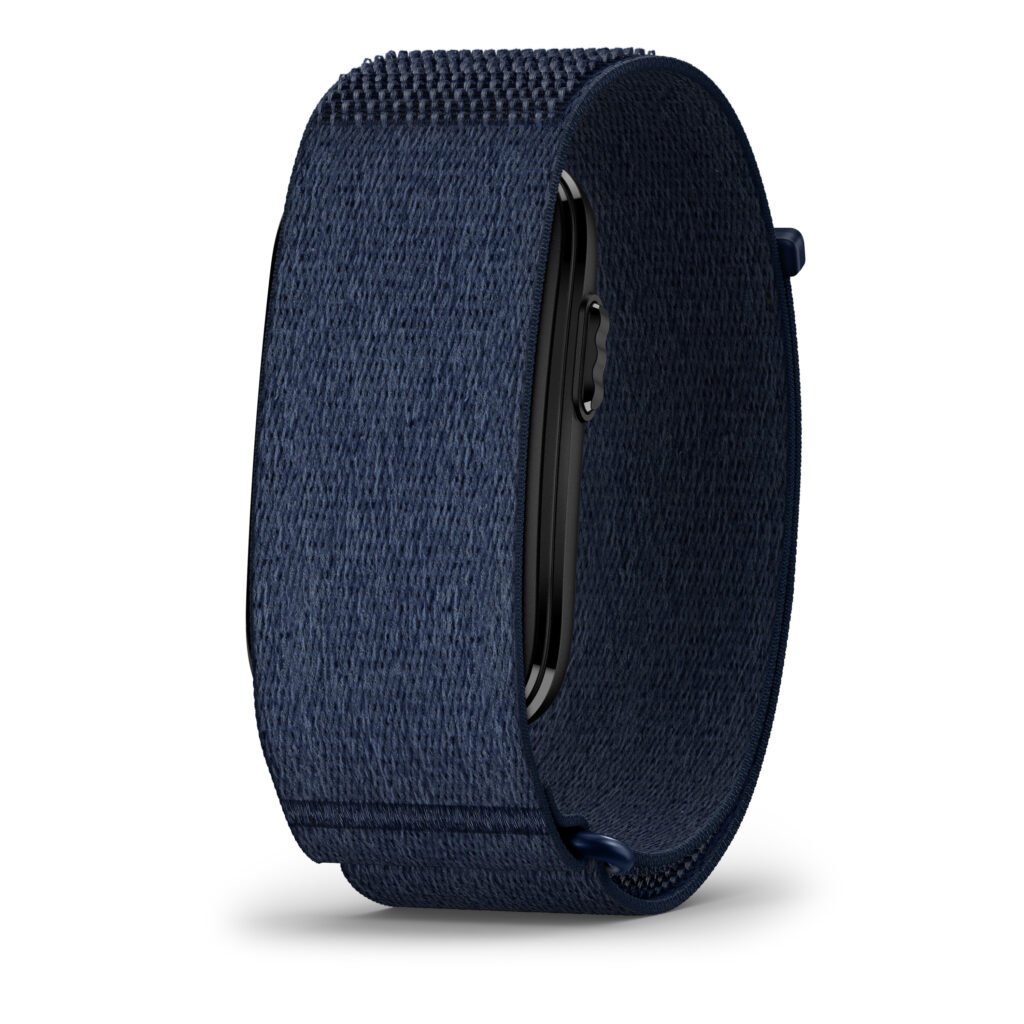
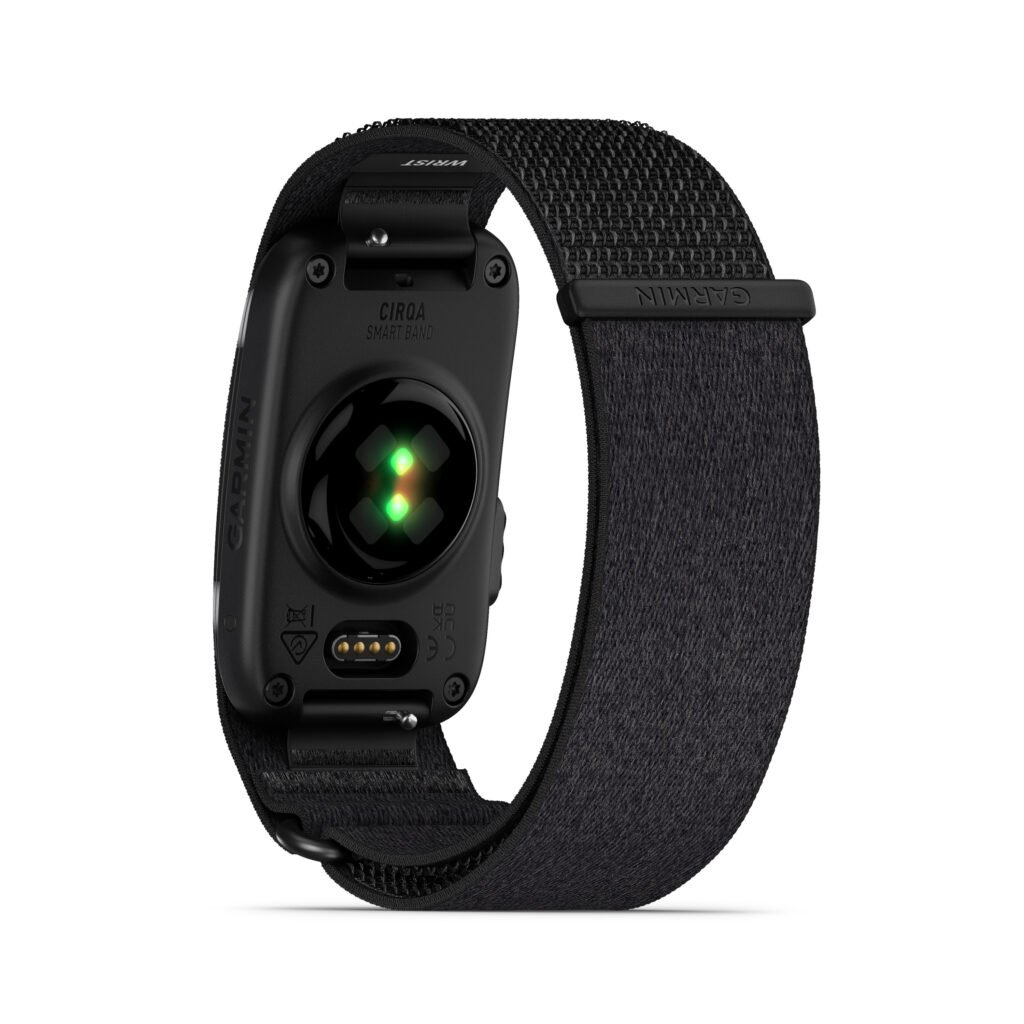
The Cirqa is a 20-gram screenless fitness band that runs the same core health and training engine as Garmin’s sub-$500 GPS watches, just without a display. No screen, no glance-at-your-wrist stats — everything lives in the Garmin Connect app instead. On your phone.
It’s built around Garmin’s Elevate Gen4 optical heart rate sensor (the same generation Garmin has used across most of its lineup, not the newer Gen5 found in the Fenix 8 Pro), which means you get essentially every wellness metric Garmin is known for: 24/7 heart rate, HRV, stress, Body Battery, skin temperature, respiration rate, SpO2, sleep staging, nap detection, and women’s cycle tracking.
On the fitness side, it auto-detects and logs more than 80 activity types, or you can start one manually with the single side button. Yes, a button. That button also handles alarm snoozing, heart rate broadcasting to other apps and devices, and pairing. There’s no onboard GPS, but it connects to your phone for GPS-tagged routes and live location sharing. Training Readiness, Acute Load, Recovery Time, VO2 Max, and Training Effect are all here too. It offers the same performance you’re used to with their, and all of it syncs seamlessly with any other Garmin device you already wear.
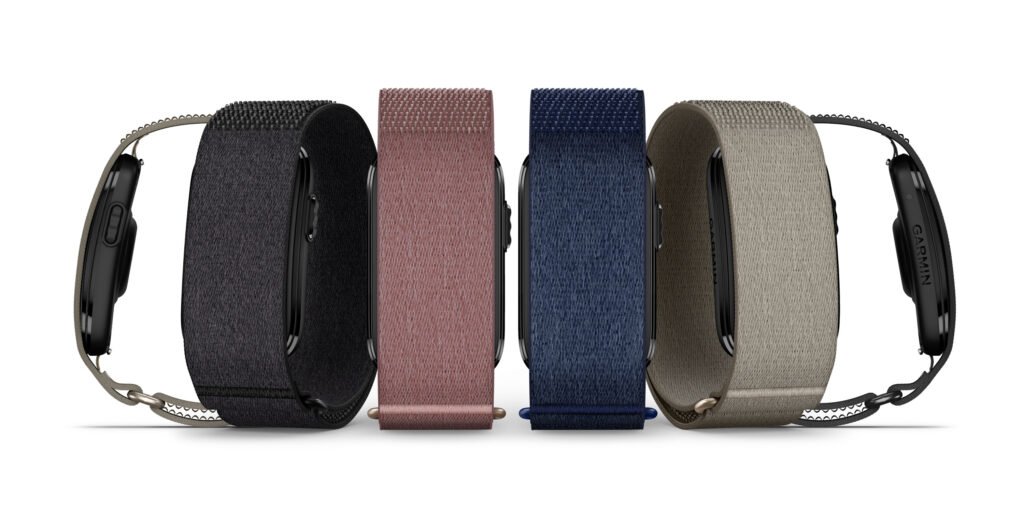
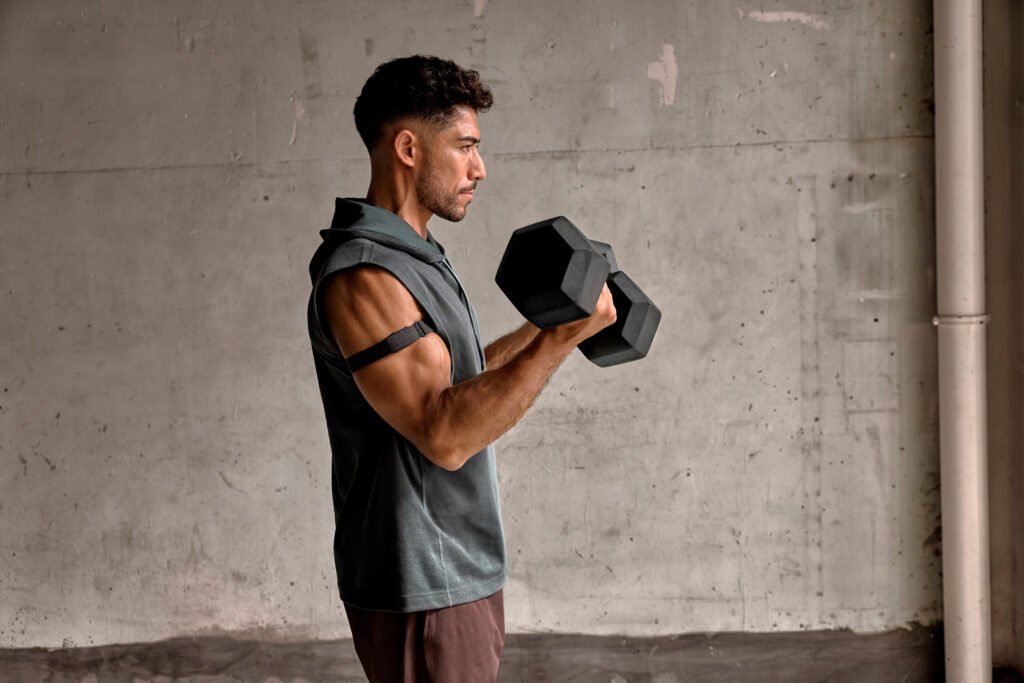
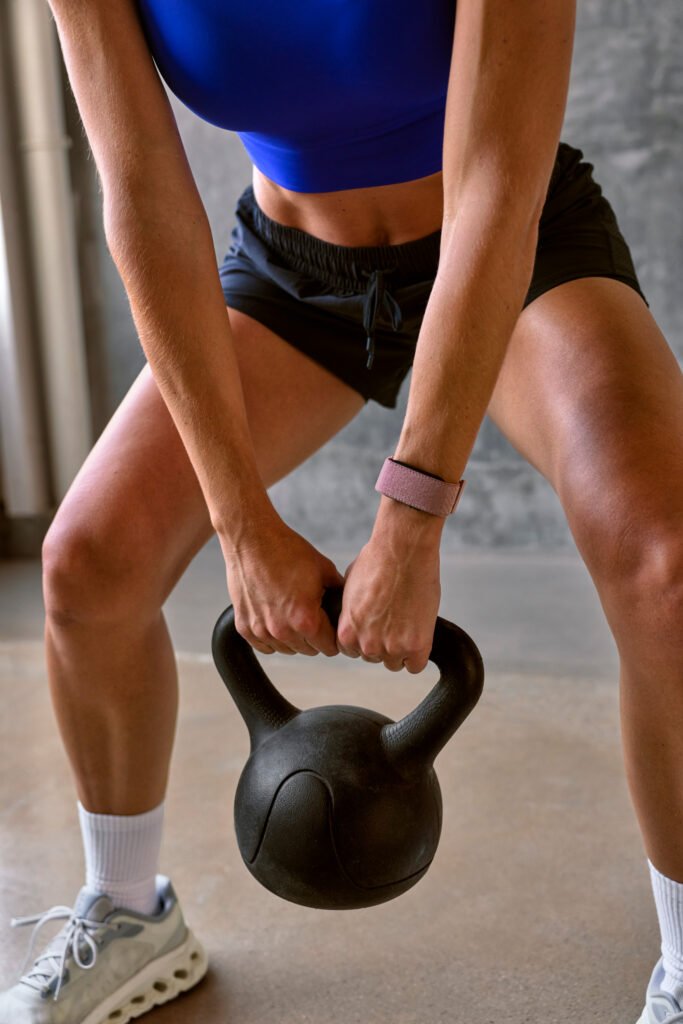
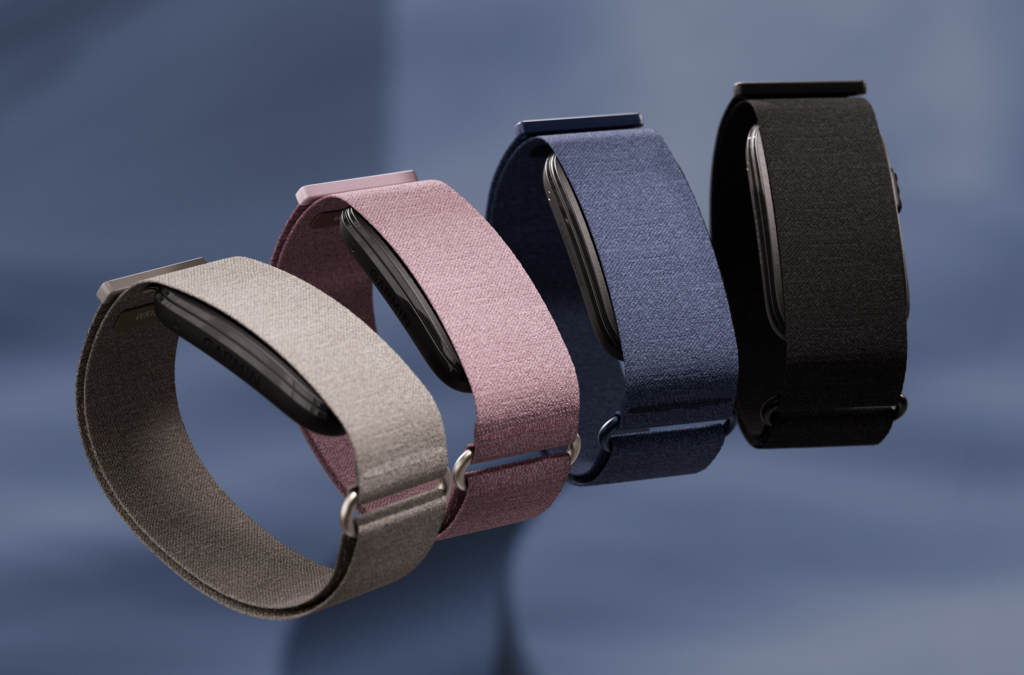
It comes in four core colorways with additional standalone band options, in two sizing options, and can be worn on the wrist or swapped onto an included armband for sleep or training under a jersey.
Garmin says it’s rated for roughly 10 days of battery life and it’s waterproof to 50 meters.
Price and subscription
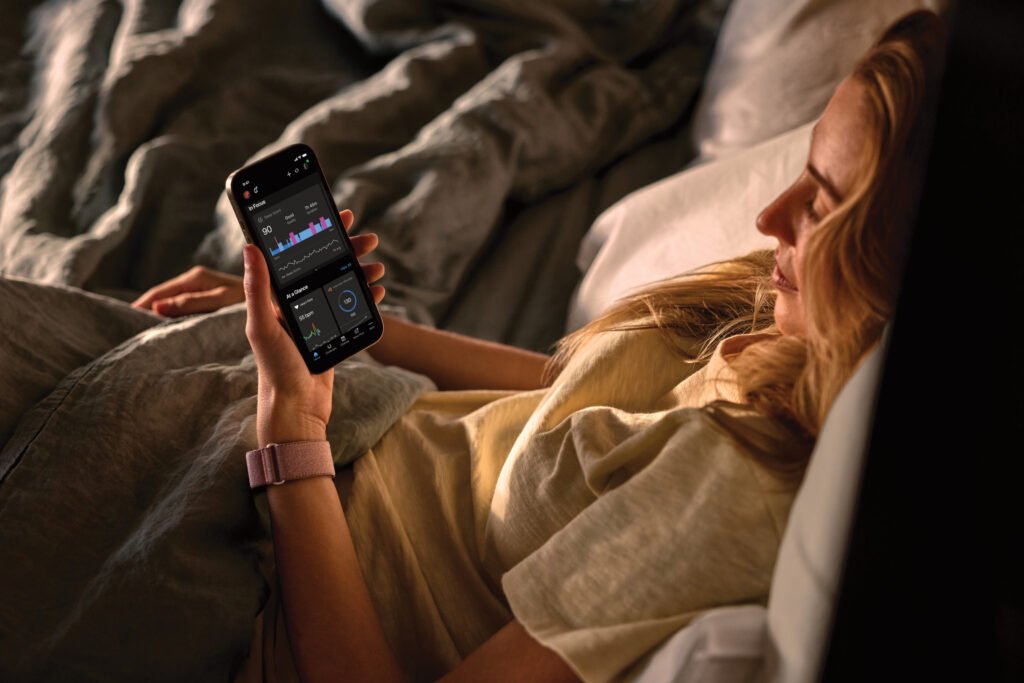
The Cirqa runs $199.99 in the US, with the optional armband priced separately at around $49–60.
And most importantly. There is no subscription required for any of the core functionality.
Everything listed above, from the sleep, recovery, training readiness, workout tracking, HR broadcasting works out of the box. Just like your watch. But cheaper.
Garmin Connect+ still exists as an optional add-on, and it layers in a few extras like Garmin Coach structured workouts, nutrition logging, manual lap creation during live activities, a heart rate graph on the live activity screen, AI-generated insight snippets, and a handful of minor perks like accessory discounts.
Why choose this over Fitbit Air or WHOOP?
This is really a story about total cost of ownership more than raw features. Whoop’s cheapest membership tier still runs you roughly what the entire Cirqa costs, every single year, forever.
Fitbit Air is subscription-optional similarly but is generally viewed as aimed more at the casual, mainstream wellness crowd rather than serious training.
Garmin’s pitch is squarely aimed at people like us. Those that are more competitive, data-hungry athlete who wants Whoop’s screen-free simplicity without giving up the training-specific metrics like Training Readiness, Acute Load, VO2 Max, structured multi-sport tracking. This is Garmin’s bread and butter and something they’ve built a whole lot of trust in for decades.
Where Garmin has a real edge depending on who you talk to is its Training Readiness score. That updates dynamically throughout the day based on sleep, recovery, stress, and training load, rather than giving you one static number each morning the way Whoop’s Recovery score does.
Garmin also lets you dial in specific sport types across 80+ activity profiles, versus a more limited automatic-detection approach elsewhere.
And while it is not huge, here is where the Cirqa may trail.
Whoop’s accessory ecosystem (bands, apparel, underwear attachments, lolz) is deeper right now, and its automatic workout classification has historically been quicker to them committing to a call rather than asking you to confirm what you did after the fact, the way Cirqa currently does.
Do Garmin Athletes Even Need This?
This is the honest question, and the honest answer is: probably not, if you’re already wearing a Garmin watch full-time.
The Cirqa doesn’t add new metrics for existing Garmin users — it’s the same Training Readiness, the same Body Battery, the same sleep and recovery data you’re already getting.
What it adds is a form factor choice: something smaller and screen-free for sleep, recovery days, or situations where a watch doesn’t make sense (under a sleeve, during certain sports, or just for people who don’t want a display buzzing at them all day).
Where it makes sense for existing Garmin athletes is as a second device — worn at night or during easy days while your Forerunner or Fenix handles hard training sessions and navigation — with everything rolling up into one unified training picture in Garmin Connect.
For someone who doesn’t already own a Garmin watch but has been eyeing Whoop or Fitbit Air, it’s a much stronger case: a one-time purchase that gets you deeper training analytics than either competitor, tied into an ecosystem that scales up to a full GPS watch later if you want one. That is what we have always hated about Whoop, the freaking subscription.
Who It Is For
If you’re Garmin curious but never wanted to drop big change on a smartwatch (even though we’d recommend them over this every time) this is for you. It brings you into the Garmin ecosystem, for better or worse and gives you serious training data (Training Readiness, Acute Load, VO2 Max, real sport-specific tracking) without a screen and without an ongoing subscription bill.
It’s for existing Whoop subscribers who are tired of paying a premium each month.
And lastly, if money is burning a hole in your wallet, this is for existing Garmin users who want a lighter, screen-free option for sleep and recovery days without breaking ecosystem continuity or just don’t want to wear a watch all the time.
So What Now?
We’ve been in touch with Garmin and plan to get a Cirqa unit in for testing soon — we’re especially curious to run it head-to-head against our own WHOOP MG over a few weeks of real training to see how the numbers, and the day-to-day experience, actually stack up.
More to come.
Leave a Reply
You must be logged in to post a comment.